The Growing Influence of Health and Wellness on Academic and Professional Growth
- Global workforce transformation integrates wellness, cybersecurity, and tech innovation to address burnout, skills gaps, and rising cyber threats. - AI-powered wellness tools like JuggernautAI and Whoop Coach boost productivity by 20% through real-time health monitoring and personalized interventions. - Educational institutions face 35% higher cyberattacks, shifting to zero-trust security and upskilling staff to manage AI risks in K-12 and higher education. - EdTech's $163B market growth prioritizes AI-d
Transforming the Global Workforce: Health, Security, and Technology at the Forefront
The landscape of work is experiencing a significant shift, fueled by the intersection of wellness initiatives, robust cybersecurity, and rapid technological progress. As organizations confront challenges such as increased stress, employee burnout, and widening skills shortages, the fusion of comprehensive wellness programs, cutting-edge security measures, and agile technology management is redefining workforce preparation. For investors, these developments highlight a realignment of priorities and reveal substantial long-term prospects in education, healthcare, and technology innovation.
The Strategic Link Between Wellness and Productivity
Recent research highlights a growing acknowledgment that holistic well-being is essential for a resilient workforce. Businesses that weave wellness into their organizational fabric—addressing physical, mental, and financial health—are seeing productivity gains of up to 20% and retention improvements of 10%. Yet, despite these initiatives, global employee engagement has dropped to just 21%, with only a third of workers feeling truly fulfilled. This gap underscores the necessity for more sophisticated, AI-driven wellness strategies.
Artificial intelligence is now making it possible to track employee health in real time, delivering tailored interventions to prevent burnout and boost engagement.
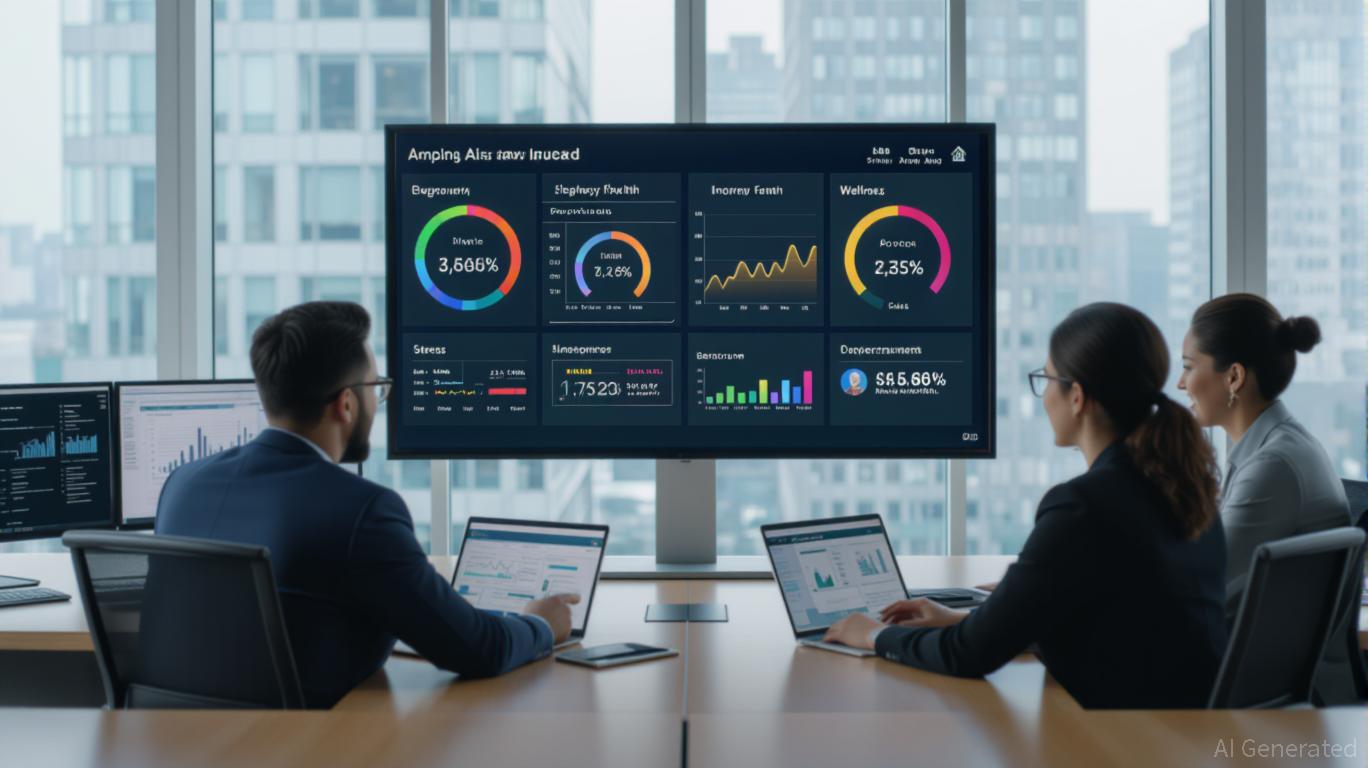
Platforms such as JuggernautAI and Whoop Coach utilize biometric data to enhance fitness and recovery, while AI chatbots offer scalable mental health support. These advancements are not just reactive—they are transforming organizational leadership and daily operations, with wellness becoming a core component of executive training and business processes.
Cybersecurity: Strengthening Educational Institutions
Alongside wellness efforts, schools and universities are facing a sharp rise in cyberattacks, with incidents increasing by 35% from 2023 to 2024. This has led to a move away from traditional security perimeters toward zero-trust models and AI-enhanced threat detection. The 2025 Security Benchmark Report identifies cybersecurity, business continuity, and workplace safety as top concerns for educational leaders.
Beyond technical defenses, building a skilled workforce is now central to cybersecurity resilience. With 43% of organizations worldwide lacking enough certified professionals, educational institutions are focusing on upskilling staff to responsibly manage AI tools. This trend presents investment opportunities in cybersecurity education and AI-driven threat prevention, especially in K-12 settings where IT leaders are emphasizing network segmentation and data protection.
Managing Technology: Addressing Skills Gaps and Embracing Automation
Academic programs in technology management are increasingly tailored to meet the demands of a productivity-driven workforce, propelled by AI and automation. The global EdTech sector, valued at $163.49 billion in 2024, is set for further growth as schools adopt personalized learning and advanced analytics. Collaborative efforts between governments and businesses—such as North Carolina’s higher education assessments and Singapore’s AI-powered job-matching systems—demonstrate the effectiveness of data-driven solutions.
However, automation is reshaping employment in complex ways. While 66% of organizations are reducing entry-level hiring due to AI, these same technologies are fueling demand for specialized AI certifications and adaptive learning models. Academic programs that teach AI literacy and digital skills are becoming foundational for building future-ready workforces.
Investment Prospects: The Intersection of Healthcare, Education, and Technology
- Healthcare: The digital revolution in healthcare is accelerating, with 70% of health system executives focusing on AI and digital tools to enhance efficiency and cut costs. Innovations such as agentic AI for administrative processes and AI-powered diagnostics are attracting major investments. Companies like Spring Health and Lyra Health are expanding access to mental health services through AI platforms, supported by over $25 billion in global digital health funding in 2024.
- Education: The EdTech industry is thriving due to the demand for personalized learning and workforce development. Tools like EVERFI’s advanced dashboards, which provide real-time insights into student progress, showcase the impact of data analytics on educational outcomes. Institutions investing in cybersecurity training and mental health applications are responding to the market’s need for resilient, tech-savvy graduates.
- Technology: Cybersecurity remains a rapidly expanding field, with significant investments from healthcare and corporate sectors in AI-based threat detection and integrated security systems. The average cost of a data breach—$9.36 million in 2024—highlights the urgency for robust security solutions. Meanwhile, AI’s influence on workforce wellness, from predictive health analytics to virtual therapy, is driving both productivity and profitability.
Conclusion: Harmonizing Innovation with Human-Centered Approaches
The future of work depends on striking the right balance between technological progress and the well-being of people. While AI and automation offer the promise of greater efficiency, their true value lies in addressing ongoing challenges such as burnout, skills shortages, and cybersecurity risks. For investors, the greatest potential lies in supporting initiatives that seamlessly integrate these elements—whether through AI-powered wellness platforms, cybersecurity education, or adaptive EdTech solutions.
As highlighted by Deloitte, the real worth of emerging technologies is not just in immediate gains, but in their ability to inspire innovation, foster creativity, and enhance the employee experience. In this dynamic environment, organizations and investments that give equal importance to both human and technological factors will be best positioned for resilience and long-term success.
Disclaimer: The content of this article solely reflects the author's opinion and does not represent the platform in any capacity. This article is not intended to serve as a reference for making investment decisions.
You may also like
The Influence of Evolving Academic Research on Industries Powered by STEM
- Global STEM education investments strongly correlate with tech sector growth, boosting employment and innovation in computing, engineering, and advanced manufacturing. - U.S. STEM funding cuts risk lagging behind China in talent pipelines, while OECD data links higher STEM graduates per capita to increased GDP per capita. - Educational R&D innovations like AI-integrated programs show 20-75% operational efficiency gains, mirroring tech industry productivity demands. - Persistent challenges include 411,500
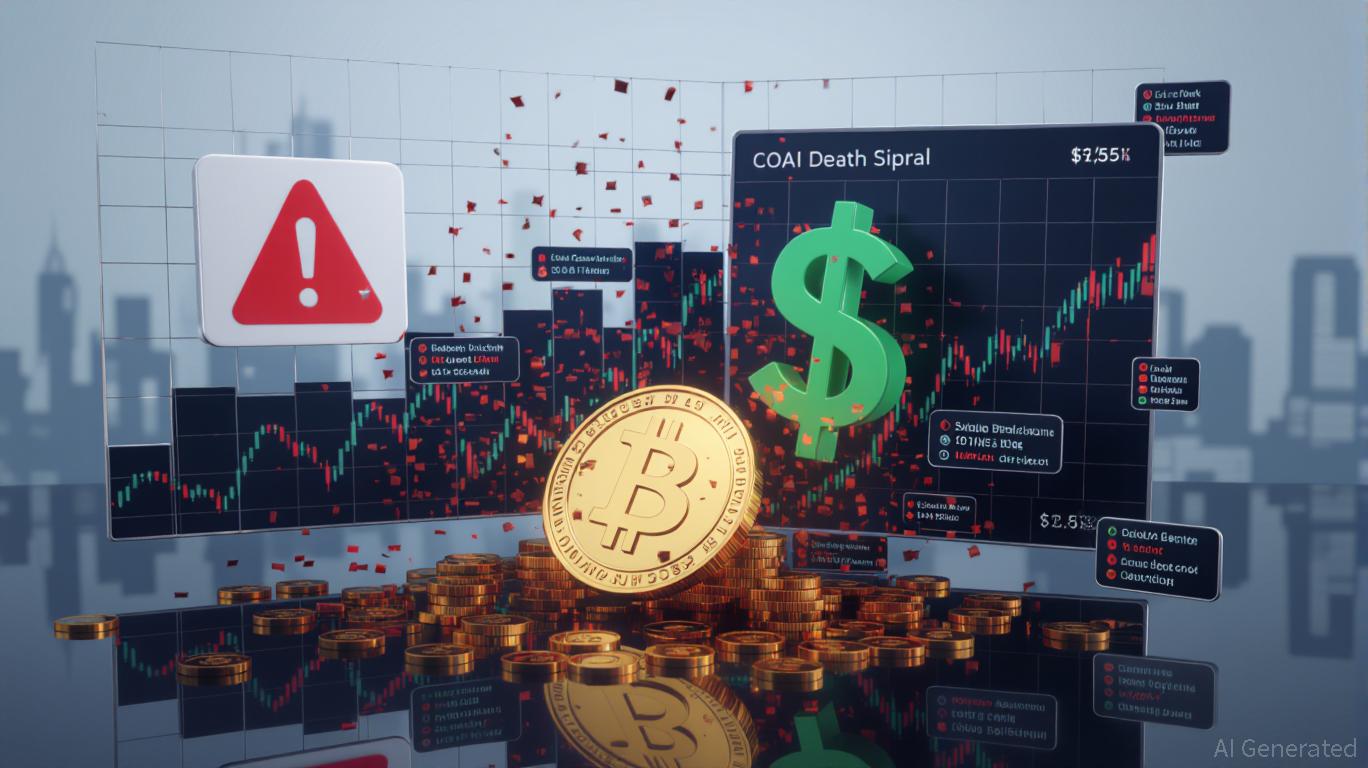
COAI Token Fraud and Widespread Dangers in DeFi: Urgent Need for Stronger Protections for Investors
- COAI token's 2025 collapse caused $116.8M losses, exposing DeFi's systemic risks in algorithmic stablecoins and governance. - Project exploited centralized reserves and opaque protocols, with 87.9% tokens controlled by ten wallets enabling market manipulation. - Regulators struggle with cross-border enforcement as Southeast Asia remains a crypto fraud haven despite U.S. and EU reforms. - Investors now prioritize transparent, overcollateralized stablecoins and use blockchain analytics to detect supply con
Dogecoin celebrates its 12th anniversary

Ether Supply Reaches Decade Low as Staking Demand and Institutional Activity Tighten Market