The CFTC-Sanctioned Transformation in Clean Energy Trading
- CFTC's 2025 withdrawal of carbon credit derivatives guidance creates regulatory uncertainty but sparks innovation in blockchain/AI solutions. - OBBBA's 2026 construction deadline accelerates solar/wind project cancellations while preserving tax credit transferability mechanisms. - Battery storage, geothermal, and hydrogen emerge as resilient sectors amid market shifts, supported by IRA tax credits and OZ modernization. - Investors prioritizing domestic supply chains and third-party certified projects gai
Clean Energy Investment: Navigating a Transformative Era
The clean energy industry stands at a pivotal moment, presenting significant opportunities for investors willing to make bold moves. Recent regulatory changes, such as the Commodity Futures Trading Commission’s (CFTC) 2025 decision to rescind its guidance on voluntary carbon credit derivatives, have unsettled the market. At the same time, the One Big Beautiful Bill Act (OBBBA) has dramatically altered the landscape for tax incentives, prompting developers to accelerate their efforts to secure permits and financing. Despite these disruptions, certain segments—including battery storage, geothermal, and hydrogen—are demonstrating remarkable resilience and offer promising avenues for investment.
The CFTC’s Policy Shift: Risks and Opportunities
The CFTC’s decision to pull back on specific guidance for carbon credit derivatives has introduced a new layer of uncertainty for exchanges aiming to list these products. This regulatory ambiguity, as noted by Baker Donelson, has drawn criticism from groups like the Clean Air Task Force (CATF), who argue that removing these protections could compromise the integrity of the carbon credit market. Without established standards, it becomes increasingly difficult to assess crucial factors such as additionality and permanence, which may in turn undermine investor trust.
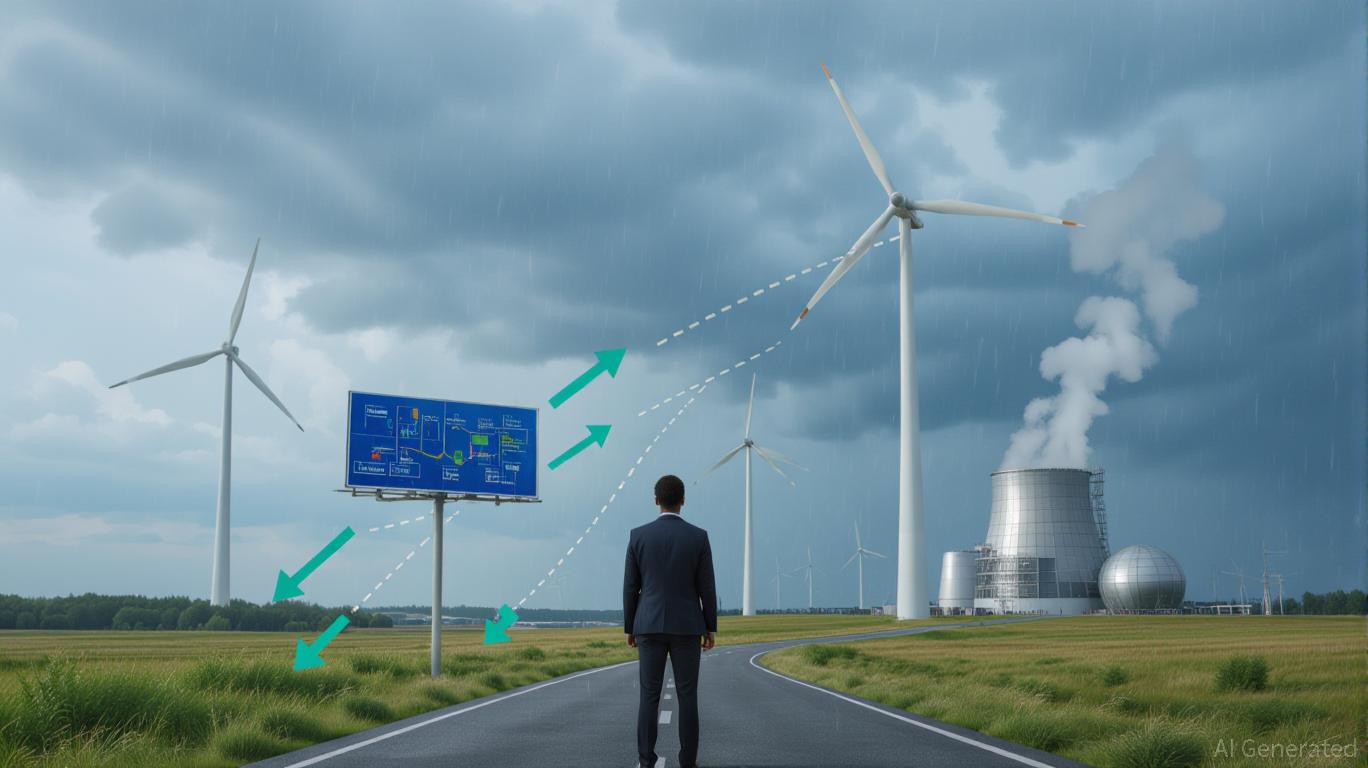
On the other hand, loosening regulations could pave the way for creative solutions. With fewer restrictions, exchanges might introduce innovative contract types that better serve corporate sustainability objectives. Emerging technologies—such as blockchain-based platforms for carbon credits and AI-powered verification systems—could improve transparency and address quality concerns. For those considering investment, prioritizing projects that hold strong third-party certifications, like those from Gold Standard or Verra, can help manage risks in this evolving environment.
OBBBA’s Accelerated Timelines: Challenges and Adaptation
The OBBBA has fundamentally changed the rules for clean energy tax benefits, expediting the phase-out of incentives for solar and wind initiatives. Developers now face a strict deadline of July 4, 2026, to commence construction or risk forfeiting access to the Investment Tax Credit (ITC) and Production Tax Credit (PTC), as highlighted by Alix Partners. This urgency has already led to the cancellation of more than $20 billion in projects during the first half of 2025 alone.
Nevertheless, the OBBBA maintains important features such as transferability and direct pay, enabling developers to monetize tax credits even if they lack tax liability. Companies like T1 Energy have responded by collaborating with domestic suppliers, such as Corning, to source components that comply with OBBBA’s stringent sourcing requirements. These strategic partnerships underscore the industry’s adaptability and highlight opportunities for investors who support businesses with flexible supply chains.
Emerging Strongholds: Where Investment is Flowing
While solar and wind projects are encountering obstacles, other technologies are gaining traction. Battery storage, for example, continues to thrive, bolstered by the Section 45X tax credit from the Inflation Reduction Act (IRA), which has stimulated domestic manufacturing of battery cells and modules. Production capacity in this sector now exceeds deployment rates. Geothermal and nuclear energy also benefit from extended eligibility for tax credits, with geothermal projects qualifying for incentives through 2033, according to CFR.
Additionally, Opportunity Zones (OZs) are becoming a vital resource for developers. The OBBBA’s reforms have made OZs permanent and increased incentives for rural investments, creating fertile ground for community-oriented renewable energy projects, as noted by Novo Capital. For instance, geothermal facilities in underserved areas can now leverage OZs to attract long-term investment, circumventing the constraints of traditional tax equity financing.
Looking Ahead: Investing in Resilient Sectors
Investors are advised to focus on sectors and projects that are well-positioned to meet both regulatory requirements and sustained demand. The rapid growth of AI data centers and efforts to decarbonize industry are fueling unprecedented energy needs, providing momentum for technologies like hydrogen and carbon capture. Meanwhile, companies that excel at building domestic supply chains—such as those manufacturing cathodes or solar wafers—are poised to benefit from OBBBA’s focus on energy independence, according to Novo Capital.
Although the CFTC’s regulatory rollback and OBBBA’s compressed timelines present challenges, they also serve as catalysts for progress. As one industry expert observed, the most successful investors are those who don’t just adapt to new rules, but leverage them to their advantage. The coming decade in sustainable energy will reward those who view obstacles as opportunities and take decisive action today.
Disclaimer: The content of this article solely reflects the author's opinion and does not represent the platform in any capacity. This article is not intended to serve as a reference for making investment decisions.
You may also like
Fed Cuts Rates, Announces $40B T-Bill Program, Crypto Dips
U.S. Marine Policy and Blue Economy Prospects: Key Infrastructure and Geostrategic Roles in Oceanic Commerce
- U.S. oceans policy balances geopolitical strategy, deep-sea tech investments, and UNCLOS ratification challenges to secure maritime influence. - Executive actions accelerate seabed mineral extraction while facing environmental criticism and legal risks from bypassing international seabed authority rules. - Offshore energy partnerships with Australia, Japan, and Saudi Arabia aim to diversify supply chains but face geopolitical tensions in chokepoints like the Red Sea. - Maritime security contracts expand

Aster DEX's On-Chain Momentum: Signaling the Future of DeFi
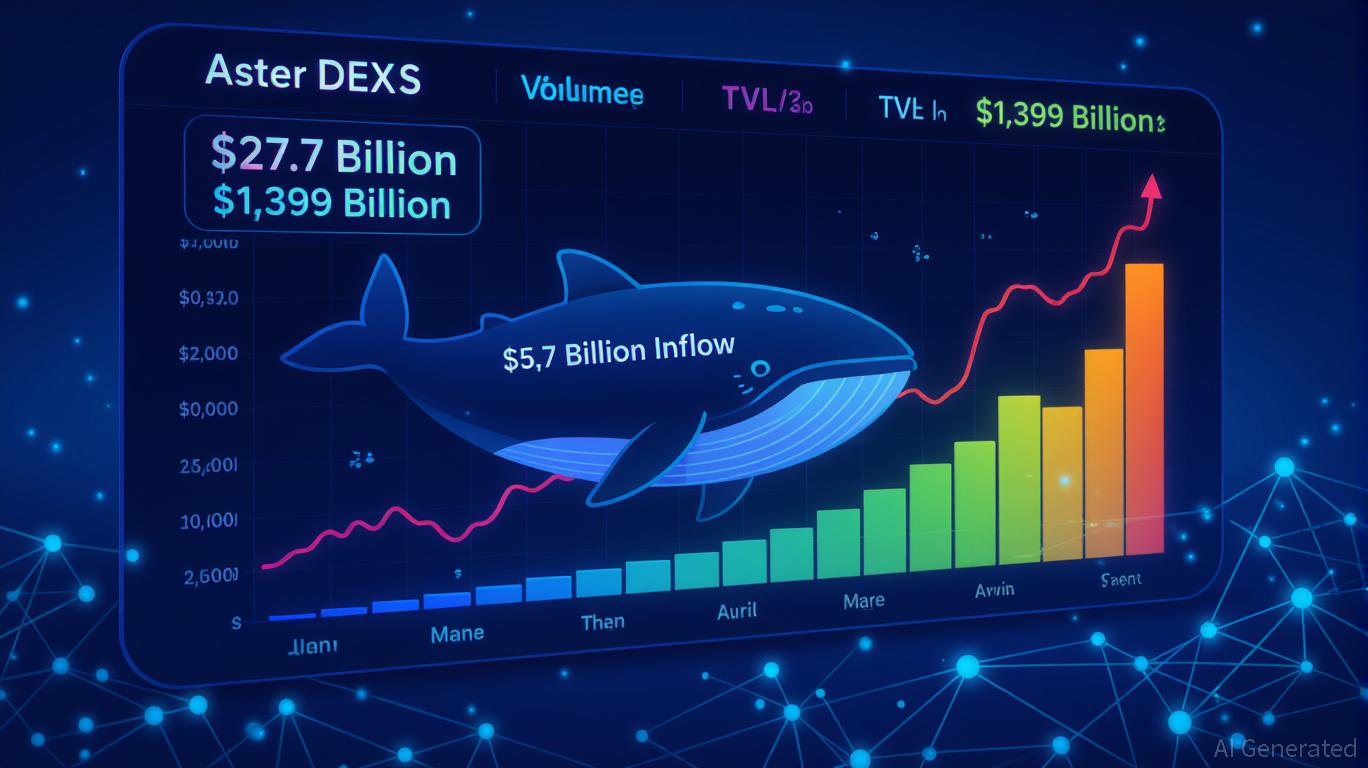
- Aster DEX reported $27.7B daily volume and $1.399B TVL in Q3 2025, outpacing DeFi benchmarks with 2M users. - Institutional whale activity, including CZ's $2M ASTER purchase, drove $5.7B inflows and 800% volume spikes. - Hybrid AMM-CEX model and ZKP privacy tech enabled 40.2% TVL growth, 77% private transactions, and 19.3% perpetual DEX market share. - ASTER's margin trading upgrades and Stage 4 airdrops fueled 30% price surges, while Aster Chain's 2026 launch will integrate privacy-preserving ZKPs. - On
Astar (ASTR) Price Rally: Protocol Enhancements and Ecosystem Growth Drive Long-Term Value
- Astar (ASTR) surged 150% due to protocol upgrades and ecosystem expansion, positioning it as a sustainable value creation case study in blockchain. - Tokenomics 3.0 (fixed 10.5B supply) and Burndrop mechanism created deflationary incentives, supported by Galaxy Digital's $3. 3M OTC investment and Astar's $29.15M buyback. - Cross-chain interoperability with Polkadot/Plaza and Sony's Soneium, plus partnerships with Toyota and Japan Airlines, expanded real-world utility in logistics, identity, and loyalty p