
Zcash Halving and Its Impact on the Cryptocurrency Market
- Zcash's 2028 halving will reduce block rewards by 50%, lowering annual inflation to 1% as part of its deflationary model. - Historical data shows 2020 and 2024 halvings triggered massive price surges (500% and 1,172% respectively) driven by retail and institutional demand. - Institutional adoption like Grayscale's Zcash Trust and ZIP 1015 lockbox mechanism reinforced Zcash's privacy-focused value proposition. - Post-halving volatility risks persist due to Zcash's $10.3B market cap, concentrated ownership
Zcash Halving: Economic Impact and Market Dynamics
The upcoming Zcash (ZEC) halving, a pivotal event in its deflationary framework, continues to draw significant attention from both investors and market observers. Set to occur in late 2028 at block height 4,406,400, this halving will decrease the block reward from 1.5625 ZEC to 0.78125 ZEC. This event maintains the established four-year halving rhythm, following similar reductions in 2020 and 2024, as tracked by the official Zcash countdown. This analysis explores how Zcash’s halving influences its economic structure and investor sentiment, referencing past price movements, institutional involvement, and the broader crypto landscape.
Network Fundamentals: Supply, Inflation, and Mining
Zcash’s halving mechanism is based on a fixed interval of 1,680,000 blocks—a structure solidified by the 2019 Blossom upgrade, which shortened block times from 150 seconds to 75 seconds. This ensures the halving cycle remains close to four years, supporting Zcash’s deflationary supply objectives. The 2028 halving will further lower annual inflation to 1%, down from 2% after the 2024 event. These changes directly affect miners, as reduced rewards may push them to depend more on transaction fees. Nevertheless, Zcash’s privacy features—which allow users to select between transparent and shielded transactions—could help sustain demand and partially offset the impact on miner profitability, according to community perspectives.
Investor Response: Lessons from Previous Halvings
Looking back at the 2020 and 2024 halvings provides valuable insight into Zcash’s market behavior. The 2020 event, which cut rewards from 6.25 to 3.125 ZEC, sparked a remarkable 500% price rally, with ZEC climbing from $50 to $300 in a matter of months. This surge was primarily driven by retail investors and a bullish crypto market environment. The 2024 halving, which reduced rewards to 1.5625 ZEC, saw an even more dramatic 1,172% price jump, with ZEC reaching $589 by the end of the year. This time, institutional players played a larger role, highlighted by the Grayscale Zcash Trust acquiring 5% of the circulating supply and increased interest in privacy-oriented cryptocurrencies, as noted in market analyses.
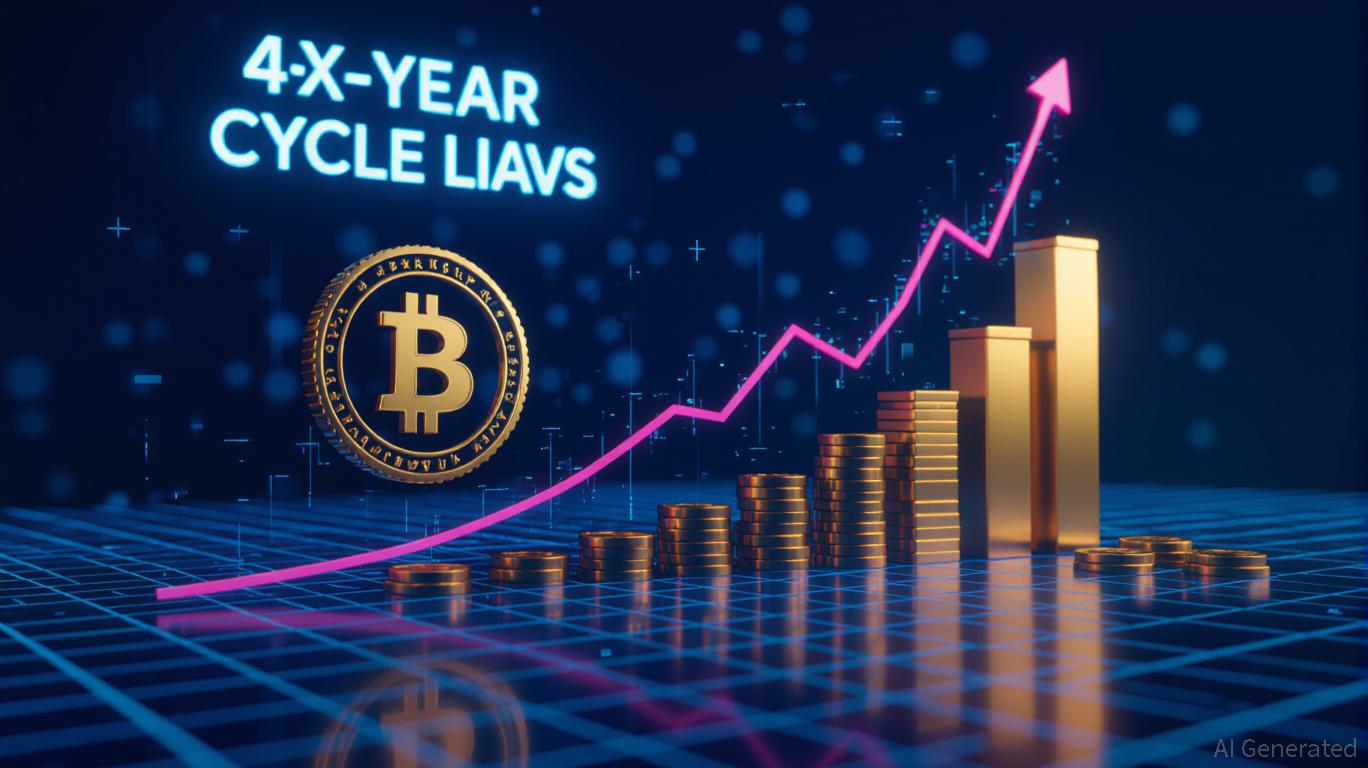
Despite these impressive rallies, both halvings were followed by steep corrections. After the 2024 event, ZEC plunged from $750 to $25.96 in just over two weeks, underscoring the liquidity risks associated with a $10.3 billion market cap asset. Such volatility highlights the double-edged nature of halving events: while they can spark rapid price increases, they also expose the market to sharp downturns, especially in assets with concentrated ownership and limited liquidity.
Comparing the 2020 and 2024 Halvings
The contrasting outcomes of the 2020 and 2024 halvings reflect shifting investor dynamics. The 2020 rally was fueled by widespread retail participation and a general uptrend in the crypto market. In contrast, the 2024 surge was propelled by institutional interest and Zcash’s distinctive privacy features. Notably, the Grayscale Zcash Trust’s $151.6 million investment and the proposal for a ZCSH ETF signaled growing confidence among institutional investors. Additionally, the 2024 halving introduced the ZIP 1015 lockbox mechanism, which reinforced Zcash’s deflationary stance by burning unused transaction outputs.
However, the post-2024 correction, which saw prices fall to a local low of $328 by late 2025, raised concerns about market fatigue. Analysts pointed out that Zcash’s relatively small market size and vulnerability to large trades contributed to heightened volatility, with some forecasting a further 30%-40% decline toward the $200 level. These trends suggest that while halvings can generate substantial price action, they also increase risk for participants.
Looking Ahead: Expectations for the 2028 Halving
The 2028 halving is expected to follow the patterns established by previous events. As regulatory scrutiny of transparent blockchains intensifies, institutional demand for privacy-centric assets like Zcash may continue to rise. The network’s dual transaction model could further enhance its appeal. However, the market’s reaction will be shaped by broader economic conditions, the overall crypto cycle, and regulatory changes.
If the trends from 2024 repeat, the next halving could trigger another significant price rally, especially if institutional adoption accelerates. Nonetheless, volatility is likely to remain high. With a $10.3 billion market cap and concentrated ownership, Zcash is susceptible to liquidity shocks and rapid price fluctuations following the halving. Investors should also be mindful of competition from other privacy coins and ongoing technological developments within the Zcash ecosystem, which could either strengthen or challenge its market position.
Summary
Zcash’s halving events serve as more than just technical adjustments—they are pivotal moments that reshape the network’s economic landscape and influence investor behavior. The 2028 halving, by further reducing inflation and reinforcing Zcash’s deflationary model, has the potential to attract both retail and institutional interest. However, the history of extreme price swings following previous halvings highlights the importance of caution. As the next halving approaches, investors should carefully consider Zcash’s unique strengths alongside its inherent risks, recognizing that market reactions are driven as much by sentiment as by changes in supply.
Disclaimer: The content of this article solely reflects the author's opinion and does not represent the platform in any capacity. This article is not intended to serve as a reference for making investment decisions.
You may also like
New Studies Reveal How Easily AI Can Sway Voters
Bitcoin Gains Steam as Selling Pressure Eases and Exchange Inflows Fall
Bitcoin’s Decline Triggers a Drop in GameStop Stock
Revealed: Crypto Trading Volumes Plunge 20% in November’s Market Slump





