
Zcash Halving 2025 and What It Means for the Future of Privacy-Focused Cryptocurrency
- Zcash's 2025 halving reduced block rewards by 50% and locked 12% of new supply via ZIP 1015, enhancing its deflationary model. - The event triggered a 942% price surge to $526.48 but saw rapid 4.2% declines as traders cashed profits amid market volatility. - Institutional adoption grew with $137M from Grayscale, yet regulatory scrutiny and liquidity risks persist for privacy-focused assets. - Upcoming 2028 halving aims to match Bitcoin's 1% inflation rate, but success depends on balancing privacy with co
Zcash Halving 2025: Shaping the Future of Privacy Coins
In November 2025, Zcash (ZEC) underwent a significant halving event, reducing its block reward from 3.125 ZEC to 1.5625 ZEC. Additionally, 12% of all new coins are now secured in a community-managed wallet, as outlined in ZIP 1015. This milestone, integral to Zcash’s deflationary approach, has sparked renewed discussion about its influence on the broader cryptocurrency sector. For investors, the key issue extends beyond ZEC’s potential to outperform Bitcoin; it’s about whether these structural changes can drive sustainable growth in a market still navigating volatility and evolving regulations.
Understanding Deflation and Limited Supply
Zcash’s halving, which takes place every 1,680,000 blocks (approximately every four years), is designed to mirror Bitcoin’s scarcity while prioritizing privacy. The 2025 halving reduced Zcash’s annual inflation rate to 2%, a notable benchmark for assets competing with Bitcoin’s 1.8% inflation. By allocating 12% of block rewards to a community fund, ZIP 1015 further restricts circulating supply, potentially fueling demand as availability decreases. While Bitcoin’s halvings have historically led to price increases, Zcash’s unique combination of privacy and controlled issuance may set it apart with a more complex story.
Volatility: Opportunity and Risk
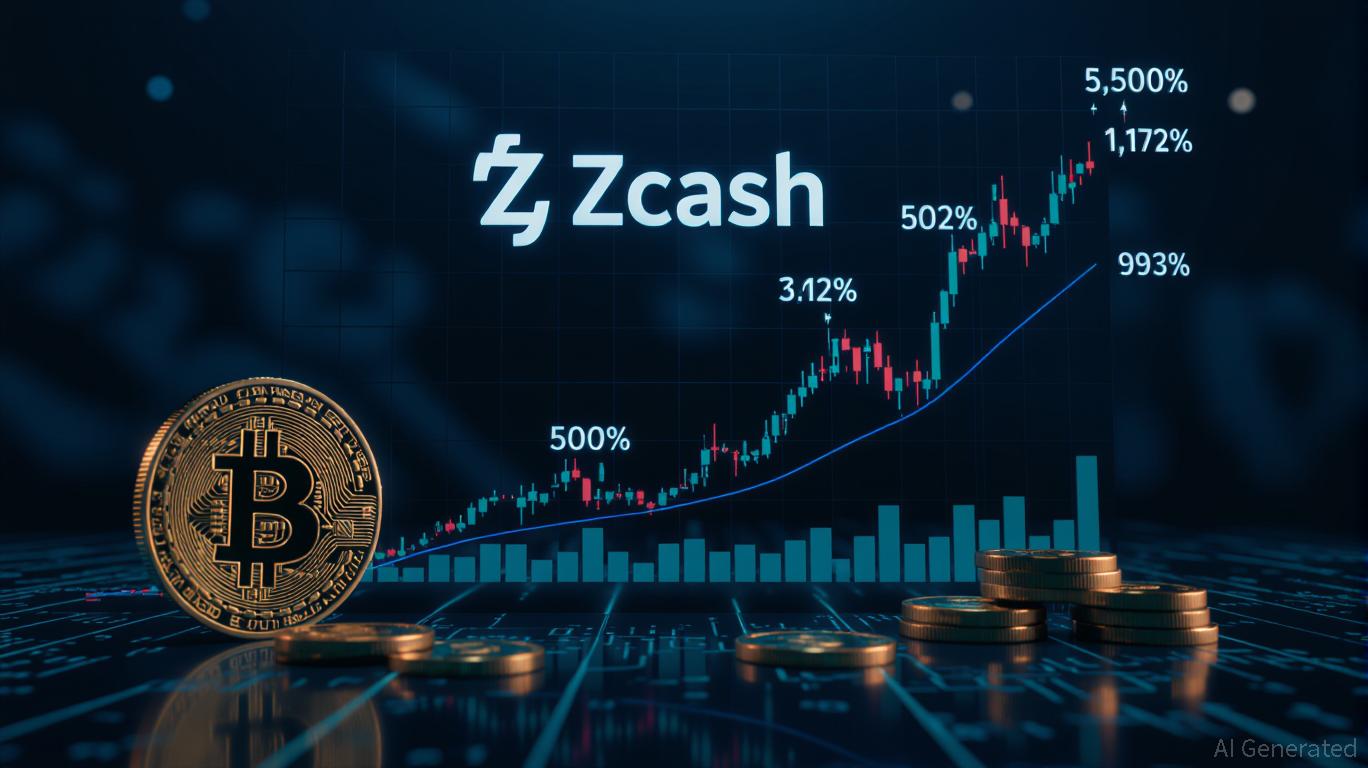
Past Zcash halvings have triggered dramatic price swings. After the 2020 halving, ZEC soared by 500%, and the 2024 event saw an even greater 1,172% jump, briefly reaching $750. However, these gains proved fleeting, with the price plummeting to $25.96—a staggering 97% decline—as investors quickly took profits amid broader market uncertainty. This extreme volatility is partly due to Zcash’s $10.3 billion market capitalization, making it vulnerable to liquidity shocks and concentrated ownership.
The 2025 halving followed a similar trajectory. ZEC climbed 942% year-over-year to $526.48 by late November 2025, only to retreat by 4.2% to $421 in early December as profit-taking set in. These rapid reversals highlight the inherent risks of investing in emerging digital assets, where market sentiment and macroeconomic trends often outweigh underlying fundamentals.
Institutional Interest: A Double-Edged Sword
Despite its price swings, Zcash has attracted growing attention from institutional investors. The Grayscale Zcash Trust, for example, invested $137 million, reflecting confidence in Zcash’s privacy-oriented model. The lockbox feature introduced by ZIP 1015 has also appealed to those seeking assets with built-in scarcity, especially as privacy coins come under increased scrutiny from regulators, such as under the EU’s MiCA framework.
However, institutional participation brings both stability and new challenges. While it can help smooth out price fluctuations by adding liquidity, it also raises concerns about centralization. For Zcash to succeed in the long run, it must carefully balance its commitment to privacy with the need to comply with regulatory requirements—a delicate balance that will shape its trajectory through 2028 and beyond.
Looking Ahead to 2028: The Next Halving
The next Zcash halving is expected in late 2028 at block height 4,406,400, which will further reduce annual inflation to 1%, aligning with Bitcoin’s projected rate. If previous trends hold, this could spark another price rally, particularly if institutional adoption continues to grow. Nevertheless, significant obstacles remain.
Regulatory pressures continue to pose uncertainty. Privacy coins like Zcash are often scrutinized for their potential misuse, and stricter compliance measures could limit demand. On the other hand, if Zcash can successfully adapt—perhaps by introducing features that allow selective transparency—it may secure a unique position in a regulatory environment where privacy and compliance coexist.
Conclusion: High Risk, High Potential
The 2025 halving highlights Zcash’s promise as a privacy-focused alternative to Bitcoin, but also underscores the risks involved. While its deflationary structure and increasing institutional interest present opportunities for future growth, the asset’s volatility remains a significant challenge for long-term investors. Ultimately, Zcash’s future will depend on its ability to innovate, adapt to regulatory demands, and maintain its relevance in an increasingly competitive crypto landscape.
As the countdown to the 2028 halving continues, Zcash’s story is far from finished. Whether it emerges as a leader in privacy-centric digital currencies or fades from prominence will depend on its ability to balance forward-thinking innovation with practical realities.
Disclaimer: The content of this article solely reflects the author's opinion and does not represent the platform in any capacity. This article is not intended to serve as a reference for making investment decisions.
You may also like
Dogecoin RSI Hits Levels That Have Triggered ATH Rallies Before

Mastercard Partners With Abu Dhabi’s ADI Foundation to Expand Stablecoin Settlement
No-KYC Banking Demand Surges – Digitap ($TAP) Anonymous Visa Card Is The Best Crypto Presale 2026
Visa Enables USDC Settlements on Solana for U.S. Banks, Cross River Bank Among First Users





