
Blockchain’s “irreversible” scams can now be tracked: Success in fund recovery is rising
- Crypto fraud victims now recover stolen assets at 58–72% rates within 90 days, driven by blockchain forensics and law enforcement collaboration. - A 2025 U.S. seizure of 127,271 BTC ($11B) marked a turning point, proving irreversible blockchain transactions can be traced and frozen at regulated exchanges. - Advanced tools and cross-agency efforts enable tracing through mixers and cross-chain bridges, but challenges persist: 66% of victims fail to report thefts, and privacy coins limit recovery to <10%. -
Rising Success in Recovering Stolen Crypto Assets
Efforts to reclaim stolen cryptocurrency are seeing unprecedented success, thanks to advancements in blockchain analysis, increased cooperation from exchanges, and decisive actions by law enforcement. A pivotal moment came in 2025, when U.S. authorities confiscated 127,271 BTC—worth over $11 billion—from a vast international scam operation. This event proved that, despite the irreversible nature of blockchain transactions, stolen funds can be traced and frozen once they reach regulated platforms. As a result, recovery rates have improved dramatically, with specialized firms now achieving success in 58–72% of cases reported within three months of the theft.
Technological and Legal Breakthroughs
These improvements are the result of both technological progress and refined legal procedures. Modern blockchain forensic tools can now follow funds through sophisticated laundering methods, such as mixers and cross-chain bridges. When illicit assets arrive at compliant exchanges, these platforms are able to freeze accounts under legal directives. The process has become more efficient, with courts issuing asset restraint orders more rapidly to prevent irreversible losses.
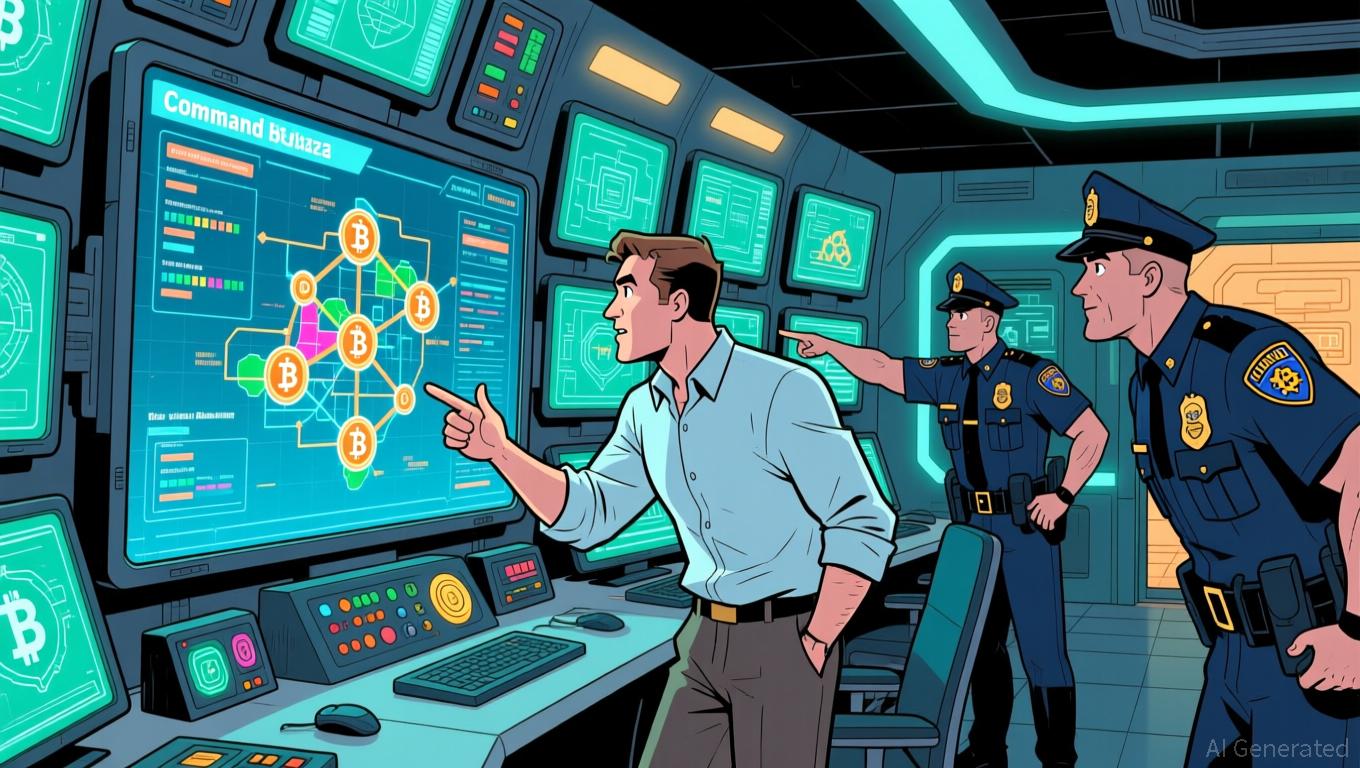
A New Era for Crypto Recovery
The 2025 seizure of the Prince Group, a notorious pig-butchering scam, marked a turning point in the fight against crypto fraud. This case shattered the myth that stolen digital assets are lost forever. As Bezalel Eithan Raviv, CEO of Lionsgate Network, put it: “The notion that your crypto is gone for good is outdated. Only scammers want victims to believe that.”
Ongoing Challenges
Despite these advances, significant obstacles remain. Industry reports indicate that nearly two-thirds of victims never report their losses, and the likelihood of recovery drops sharply after 90 days. Criminals often use privacy-focused coins or peer-to-peer cashouts to further obscure stolen funds, resulting in recovery rates below 10% for such cases, especially when assets are moved through coins like Monero.
How the Recovery Process Works
- Specialized firms begin by conducting forensic blockchain investigations to trace stolen assets and identify where they have been sent.
- Evidence is compiled and shared with law enforcement, who can then request exchanges to freeze suspicious accounts.
- Legal teams pursue court orders to seize the assets, often leading to restitution within a few months.
Experts caution victims to avoid services that demand upfront payments or access to sensitive information, such as seed phrases, promising quick recoveries.
Impact on the Crypto Landscape
The growing feasibility of asset recovery is making crypto scams less lucrative, prompting fraudsters to develop more sophisticated evasion techniques. However, the advanced tools and collaborative strategies used in major cases are now widely adopted, giving victims a stronger chance of reclaiming their funds.
Future Outlook
Looking forward, the integration of blockchain forensics into regulatory and institutional frameworks is expected to further enhance recovery efforts. Countries like the U.S. and UAE are tightening oversight of digital assets, with the UAE’s 2025 banking decree bringing cryptocurrencies under central bank regulation. These initiatives aim to foster greater transparency, though their effectiveness in deterring fraud remains to be fully realized.
Ultimately, those affected by crypto theft must act quickly and seek professional help to maximize their chances of recovery. The necessary tools are available, but their success depends on prompt action and informed decision-making, as tracking digital assets becomes increasingly complex.
Disclaimer: The content of this article solely reflects the author's opinion and does not represent the platform in any capacity. This article is not intended to serve as a reference for making investment decisions.
You may also like
Solana's Abrupt Decline: Underlying Factors and What It Means for Investors
- Solana’s Q3 2025 sell-off reflects strong network performance (80M daily transactions) but a $352.8M company net loss from derivatives and financing costs. - Market sentiment diverged: $113.5B market cap growth vs. 6.87% stock drop post-earnings, driven by macroeconomic risks and regulatory uncertainty. - Upgrades like Alpenglow (150ms finality) and ZK Compression v2 (5,200x cost reduction) position Solana for institutional adoption despite short-term volatility. - Investors face a dilemma: 32.7% DeFi TV

DASH Price Increases by 1.78% Following Significant Insider's Share Sale Filing
- DoorDash’s stock rose 1.78% on Dec 2, 2025, despite a 20.32% weekly drop, showing long-term investor confidence. - Officer Lee Gordon S filed to sell 2,159 shares via Rule 10b5-1 plan, part of routine insider trading strategy . - Director Alfred Lin bought $100M in DASH shares, contrasting with 90-day insider sales of $174.5M. - Institutional investors showed mixed activity, with Panagora buying and Spyglass, Arrowstreet reducing stakes. - Analysts maintain "Moderate Buy" rating, projecting growth amid v

What's Causing the Latest BTC Price Swings: Is It a Macro-Fueled Reevaluation?
- Bitcoin's late 2025 volatility reflects macroeconomic pressures, Fed policy shifts, and regulatory changes impacting institutional demand. - Sharp price swings from $126k to $87k highlight sensitivity to inflation, interest rates, and leveraged trading risks amid delayed economic data. - New U.S. crypto laws and ETF approvals boosted institutional participation, but geopolitical risks and token unlocks maintained uncertainty. - A potential Fed rate cut and stabilizing inflation could reignite risk appeti

The ChainOpera AI Token Collapse: A Cautionary Tale for AI-Powered Cryptocurrency Markets?
- ChainOpera AI (COAI) token's 96% collapse in late 2025 exposed systemic risks in AI-blockchain markets, mirroring 2008 crisis patterns through centralized governance and speculative hype. - COAI's extreme centralization (96% supply in top 10 wallets) and tokenomics (80% locked until 2026) created liquidity crises, undermining blockchain's decentralized ethos. - Regulatory actions intensified post-crash, with SEC/DOJ clarifying custody rules and targeting fraud, yet CLARITY/GENIUS Acts created compliance

Trending news
MoreCrypto prices
More






