
Industrial Property Prospects in Webster, NY, During Xerox Campus Transformation: A Strategic Plan for Sustainable Value Growth via Infrastructure
- Webster , NY, is redeveloping the Xerox campus with a $9.8M FAST NY grant, transforming a 300-acre brownfield into a high-tech industrial hub. - Infrastructure upgrades, including roads and sewer systems, aim to attract $1B+ in private investment, exemplified by a $650M fairlife® dairy plant creating 250 jobs. - Parcel subdivision and municipal boundary adjustments eliminate jurisdictional barriers, enabling scalable development and attracting manufacturers requiring contiguous land. - Industrial vacancy
Webster, NY: A Model for Industrial Transformation Through Infrastructure Investment
Webster, New York, is quickly becoming a standout example of how targeted infrastructure improvements can drive the revitalization of industrial real estate and foster sustainable economic growth. The ongoing redevelopment of the former Xerox campus, bolstered by a $9.8 million FAST NY Shovel-Ready Grant, is turning a 300-acre brownfield into a cutting-edge industrial center. This project, which also involves subdividing land parcels and adjusting municipal boundaries, is reshaping the local economy and drawing significant private investment.
Building the Foundation: Infrastructure Upgrades Fueling Industrial Growth
The FAST NY grant is being used to overhaul essential infrastructure at the Xerox site, including redesigned roadways, expanded sewer capacity, and a state-of-the-art electrical grid. These enhancements are scheduled for completion by 2026, ensuring the site is fully prepared for new development. This effort is part of the broader $1.5 billion POWER UP initiative, which aims to have industrial sites ready for advanced power needs by 2030. As a result, the area is becoming increasingly attractive to manufacturers and logistics companies seeking modern, reliable facilities.
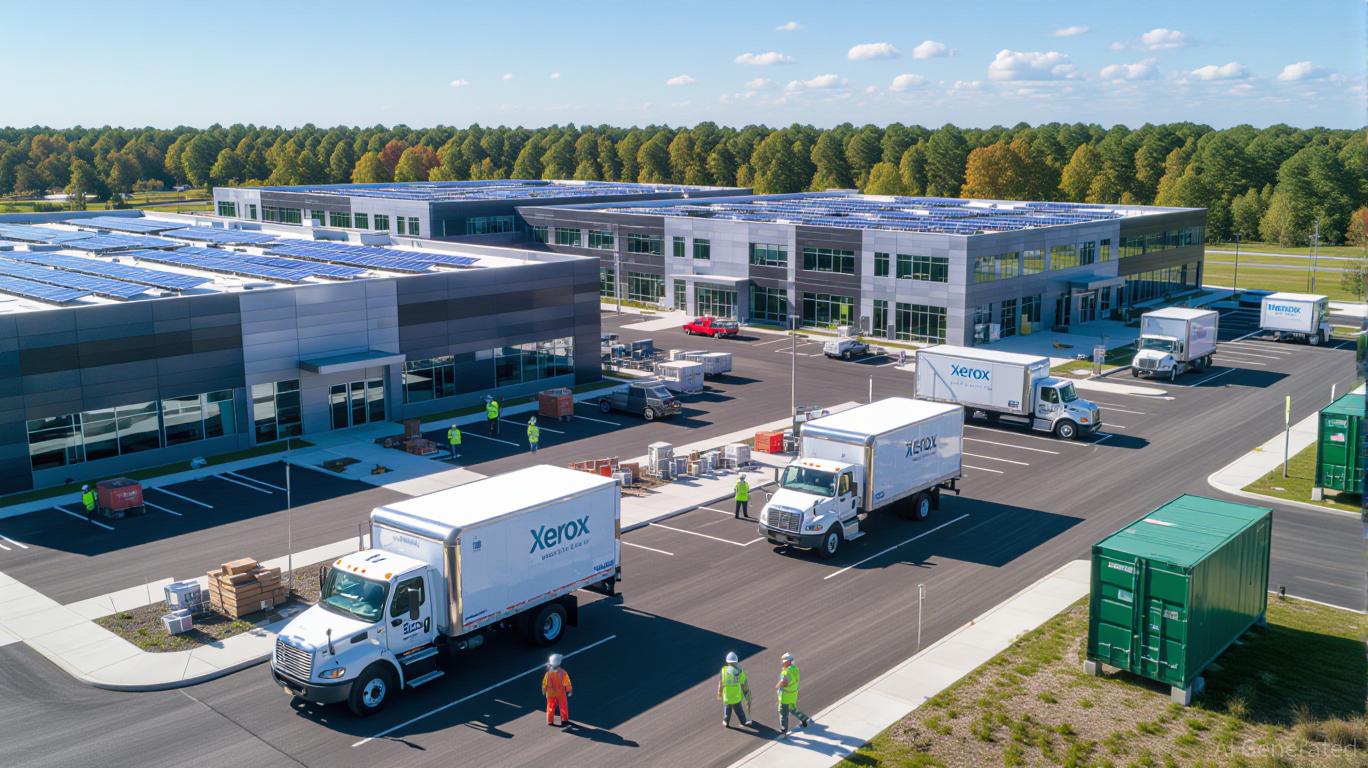
The positive effects are already visible. The site’s readiness has attracted a $650 million fairlife® dairy facility, expected to generate 250 new jobs by 2025. Industrial vacancy rates in Webster have dropped to just 2%, well below the national average of 7.5%, highlighting the strong demand for space. For investors, this limited availability and robust infrastructure make the area a promising option for long-term investment.
Land Subdivision and Boundary Adjustments: Paving the Way for Scalable Growth
One of the main obstacles in repurposing the Xerox campus was its complex ownership structure. To resolve this, local officials have initiated changes to municipal boundaries, allowing the 800+ acre property to be divided into 40–100-acre parcels that fall entirely within either the Village or Town of Webster. This streamlines development by removing jurisdictional hurdles and ensuring all parcels are suitable for industrial use.
According to the Webster Town Supervisor, these changes are essential for attracting large manufacturers and logistics firms that require sizable, contiguous plots. Additional infrastructure improvements, such as upgraded roads and increased sewer capacity, further boost the appeal and functionality of these subdivided parcels. By aligning land use with infrastructure readiness, Webster is setting a new standard for post-industrial redevelopment.
Economic Ripple Effects and Real Estate Opportunities
The transformation driven by infrastructure investment extends beyond industrial properties. Residential real estate in Webster has seen annual value increases of 10.1%, reflecting the area’s growing economic strength. The town’s proximity to I-390 and Rochester International Airport enhances its appeal as a logistics hub, making it a key location for distribution networks.
For institutional investors, the synergy between industrial and residential markets offers opportunities for diversified returns. The forthcoming 600 Ridge Road mixed-use project, which will combine living, commercial, and industrial spaces, exemplifies this integrated approach. Such developments are in line with national trends favoring urban infill and mixed-use innovation, further reinforcing Webster’s long-term investment potential.
Looking Ahead: Investment Prospects and Key Considerations
With infrastructure funded by the FAST NY grant expected to be completed by 2026, Webster is poised to become a billion-dollar industrial center. The ongoing support from the POWER UP program ensures that power infrastructure will continue to meet the needs of energy-intensive industries. For investors, the combination of low vacancy rates, a strategic location, and supportive public policies presents a unique opportunity for both risk mitigation and growth.
Nonetheless, the future success of Webster’s redevelopment depends on sustained private investment. The significant commitment by fairlife demonstrates confidence in the site’s potential, but continued progress will require ongoing infrastructure improvements and clear zoning policies to maintain momentum.
Summary
The transformation of the Xerox campus in Webster showcases how strategic infrastructure investments can unlock new value in industrial real estate. By leveraging public grants, thoughtful land subdivision, and municipal collaboration, Webster is creating a blueprint for revitalizing post-industrial regions. For long-term investors, the town offers a compelling example of how aligning public and private interests can drive both economic and real estate success.
Disclaimer: The content of this article solely reflects the author's opinion and does not represent the platform in any capacity. This article is not intended to serve as a reference for making investment decisions.
You may also like
The Federal Reserve's Change in Policy and Its Growing Influence on Blockchain-Based Innovation
- The Fed's 2025 GENIUS Act and FedNow infrastructure catalyzed blockchain growth, boosting Solana's capital inflows and institutional adoption. - Regulatory clarity for stablecoins (1:1 reserves, AML safeguards) drove $315B market cap and $9T annual transactions, reshaping digital finance. - Solana's 5,000 TPS and partnerships with Visa/Stripe/BlackRock positioned it as a FedNow alternative for cross-border settlements and tokenized assets. - Hybrid infrastructure models (FedNow + permissionless chains) m

Apple Music’s Replay 2025 has arrived

Titan OS secures $58 million in funding from Highland Europe to advance its smart TV operating system

Trending news
MoreCrypto prices
More






