
Evaluating How Fluctuations in PENGU Prices Influence the Actions of Retail Investors
- PENGU’s 2025 price swings (0.007–0.028) highlight crypto volatility’s impact on retail investors, exposing behavioral biases like herding and overconfidence. - Social media-driven FOMO caused 480% July 2025 surges, followed by panic-driven 28.5% October declines, mirroring 2021 crypto trends. - Loss aversion led investors to hold losing PENGU positions despite 11.56% 24-hour drops, worsening market downturns through the disposition effect. - Risk education gaps and scams (e.g., phishing) amplified PENGU’
PENGU Token: Lessons from Extreme Market Fluctuations
The PENGU token, associated with Pudgy Penguins, has become a vivid example of the unpredictable swings common in cryptocurrency markets. Between $0.007 and $0.028 in late 2025, its price experienced dramatic highs and lows. By November 26, 2025, PENGU was trading at $0.011140—down 69% from its peak. These sharp movements have highlighted significant shortcomings in how retail investors approach risk, often influenced by psychological tendencies and a lack of financial education. Examining PENGU’s price volatility through the lens of behavioral finance reveals how emotions and knowledge gaps drive retail trading, and what steps can help reduce exposure to risk.
Behavioral Traps Fueling PENGU’s Price Swings
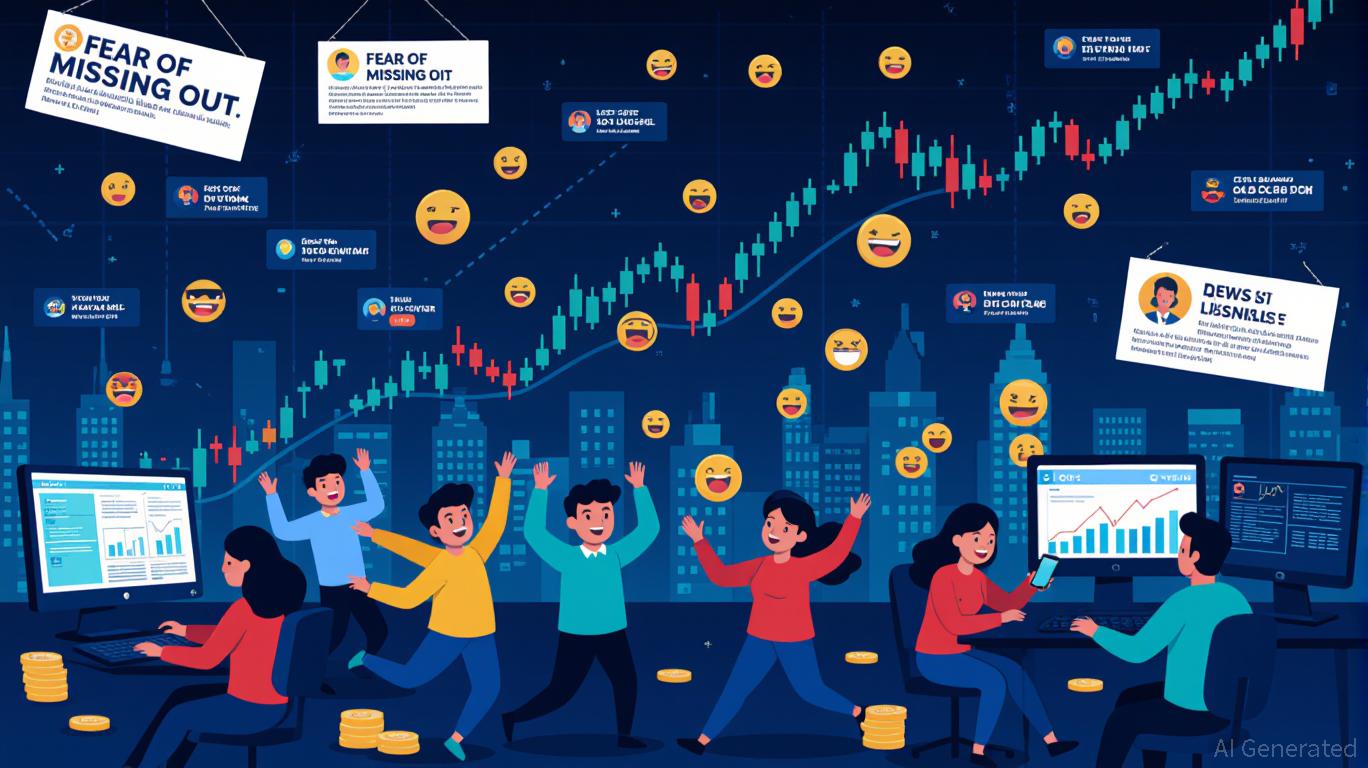
Retail traders in PENGU have fallen into several well-known behavioral finance traps. Herd mentality has intensified volatility, with July 2025 seeing a 480% surge in PENGU’s price as social media hype triggered widespread FOMO (fear of missing out). However, this was followed by a 28.5% drop by October as panic selling took over. This cycle mirrors patterns seen during the 2021 crypto surge, where viral stories on platforms like Twitter and Telegram often eclipsed careful analysis of project fundamentals. Overconfidence is another common pitfall—many traders believe they can outsmart the market, resulting in rash decisions during periods of rapid price movement.
Loss aversion further complicates matters. Even after an 11.56% drop in PENGU’s value over a single day in late 2025, many investors refused to sell, hoping for a rebound. This tendency, known as the “disposition effect,” leads people to hold onto losing investments to avoid realizing losses—a pattern also seen in previous crypto bull runs. Such reluctance to cut losses can deepen market downturns, fueling cycles of fear and further selling.
Gaps in Financial Knowledge and Systemic Risks
Insufficient financial literacy among retail investors has made these behavioral issues worse. Research from OKX points out that PENGU’s volatility has attracted scams, with phishing and fake tokens preying on those unfamiliar with security and governance. Meanwhile, Bitget data shows that retail traders check PENGU’s price an average of 14.5 times a day, amplifying emotional reactions and speculative trading.
Institutional activity also plays a role. While PENGU has attracted $157,000 in inflows from large holders, outflows of $66.6 million from team wallets have sparked short-term selling. Retail investors often misread these on-chain movements, interpreting them as reasons to panic, which highlights a lack of technical analysis skills. This disconnect between institutional and retail behavior underscores the urgent need for better education on market fundamentals.
Building Resilience: Practical Risk Management Strategies
- Implement Stop-Loss Orders: Automated stop-losses can help investors avoid emotional decisions during downturns. For PENGU, setting a stop-loss below the $0.009 support level can help limit potential losses if the market turns bearish.
- Diversify Investments: While PENGU’s ability to connect the Ethereum and Solana ecosystems adds value, its speculative nature means it should only make up a small portion of a balanced portfolio. Diversification is a key strategy recommended by financial professionals to reduce risk from volatile assets.
- Educate on Behavioral Biases: Learning to recognize patterns like herding, FOMO, and overconfidence can help investors make more rational decisions. Educational programs, such as those suggested by Tokenmetrics, can foster better discipline. For instance, understanding the implications of a potential Cboe ETF approval for PENGU requires separating hype from meaningful data.
- Demand Transparency and Regulation: Clear governance and transparent tokenomics are essential for investor protection. As PENGU expands into real-world products and mobile gaming, robust oversight is needed to prevent manipulation. Investors should focus on projects with well-defined use cases and open communication.
Summary
PENGU’s wild price swings reflect broader trends in the crypto market, where behavioral biases and knowledge gaps often drive retail investor decisions. By embracing disciplined strategies—such as using stop-loss orders, diversifying holdings, and seeking education—investors can better navigate the emotional ups and downs of the market. Ultimately, understanding the psychological forces at play is the first step toward making more resilient investment choices in the ever-changing world of crypto.
Disclaimer: The content of this article solely reflects the author's opinion and does not represent the platform in any capacity. This article is not intended to serve as a reference for making investment decisions.
You may also like
Vanguard reverses course, opens door to Bitcoin, Ethereum, XRP, and Solana ETFs
Ripple, leading VCs invest in OpenEden to support the real-world asset tokenisation firm’s expansion
Cardano risks dropping to $0.32 as bearish trend thickens

Regulators ramp up US stablecoin rules as GENIUS Act takes effect
Trending news
MoreCrypto prices
More






