
RedStone Atom seeks to rewire DeFi’s broken liquidation game

For years, DeFi lending protocols lost millions to MEV bots and sluggish oracle updates. RedStone Atom is keen to flip that switch by enabling real-time liquidations and recapturing value that once vanished into validator mempools. The result could translate to a leaner, fairer, and more efficient system.
- RedStone has launched Atom, a real-time oracle enabling instant liquidations and native MEV capture for DeFi lending protocols.
- The system replaces outdated oracle models with on-demand price updates and atomic MEV auctions, redirecting liquidation value to protocols.
According to a press release shared with crypto.news on July 29, RedStone, the blockchain oracle for emerging decentralized finance assets, has launched RedStone Atom, a first-of-its-kind oracle designed to eliminate liquidation delays by allowing instant on-chain price updates.
Unlike traditional oracles that push data at fixed intervals, RedStone Atom activates only when liquidations are imminent, letting protocols capture MEV that would otherwise leak to block builders and searchers. Already live on Unichain, the solution is set to expand to BNB Chain, Base, HyperEVM, and Berachain without requiring smart contract modifications.
RedStone Atom’s DeFi liquidation playbook
RedStone said its Atom solution can bridge the gap between price movement and protocol response. Instead of waiting for pre-scheduled price feeds or fixed deviation thresholds, it allows liquidators to trigger a real-time oracle update the moment a loan falls below its collateral threshold.
This shift means protocols are no longer held hostage by stale data or forced to adopt overly conservative risk parameters to avoid being front-run. The mechanism can also help lending protocols safely raise loan-to-value ratios, improve capital efficiency, and execute faster than competitors.
“Atom flips the liquidation model on its head. Instead of third parties profiting from user liquidations, protocols can now decide how that value is shared, whether through incentives, yield boosts, or borrower rewards,” Marcin Kaźmierczak, Co-Founder of RedStone, said.
Additionally, RedStone claims its Atom solution can transform liquidation MEV, which has long been considered an unavoidable leak, into a controllable revenue stream for protocols. Per the statement, when a loan slips into unsafe territory, Atom triggers an on-demand price update and initiates an atomic MEV auction, all within 300 milliseconds.
With this mechanism, liquidators can bid for the right to execute the transaction, with the winning bid paid directly to the protocol rather than extracted by validators. This shifts the economics dramatically, allowing protocols to potentially reinvest captured MEV into sustainability initiatives, like boosting supplier APYs or subsidizing borrowing costs, while users benefit from more competitive rates and higher capital efficiency.
The broader implications are hard to overstate. By eliminating oracle lag, Atom could allow protocols to safely increase LTV ratios without compromising risk management, effectively unlocking billions in underutilized collateral. Meanwhile, the recaptured MEV, estimated at $500 million historically, introduces a novel revenue flywheel: the more liquidations a protocol processes, the more value it retains to reinvest in growth.
Disclaimer: The content of this article solely reflects the author's opinion and does not represent the platform in any capacity. This article is not intended to serve as a reference for making investment decisions.
You may also like
Pudgy Penguins NFT surpasses Bored Ape in one month: A quick overview of what the PENGU token is
PENGU is the official token of the Pudgy Penguins NFT series and will be launched on the Solana blockchain by the end of 2024. Pudgy Penguins is an NFT project featuring 8,888 unique penguin images, initially released on Ethereum, and has now become the second-largest NFT project by market capitalization. The launch of PENGU aims to expand the community, attract new users, and is planned for deployment on multiple blockchains. The total token supply is 88,888,888,888, allocated to the community, liquidity pools, project team, and others. Solana was chosen to reach a new audience and leverage its fast transactions and low-cost advantages. Summary generated by Mars AI This summary is generated by the Mars AI model, and the accuracy and completeness of its content are still in the process of iterative improvement.

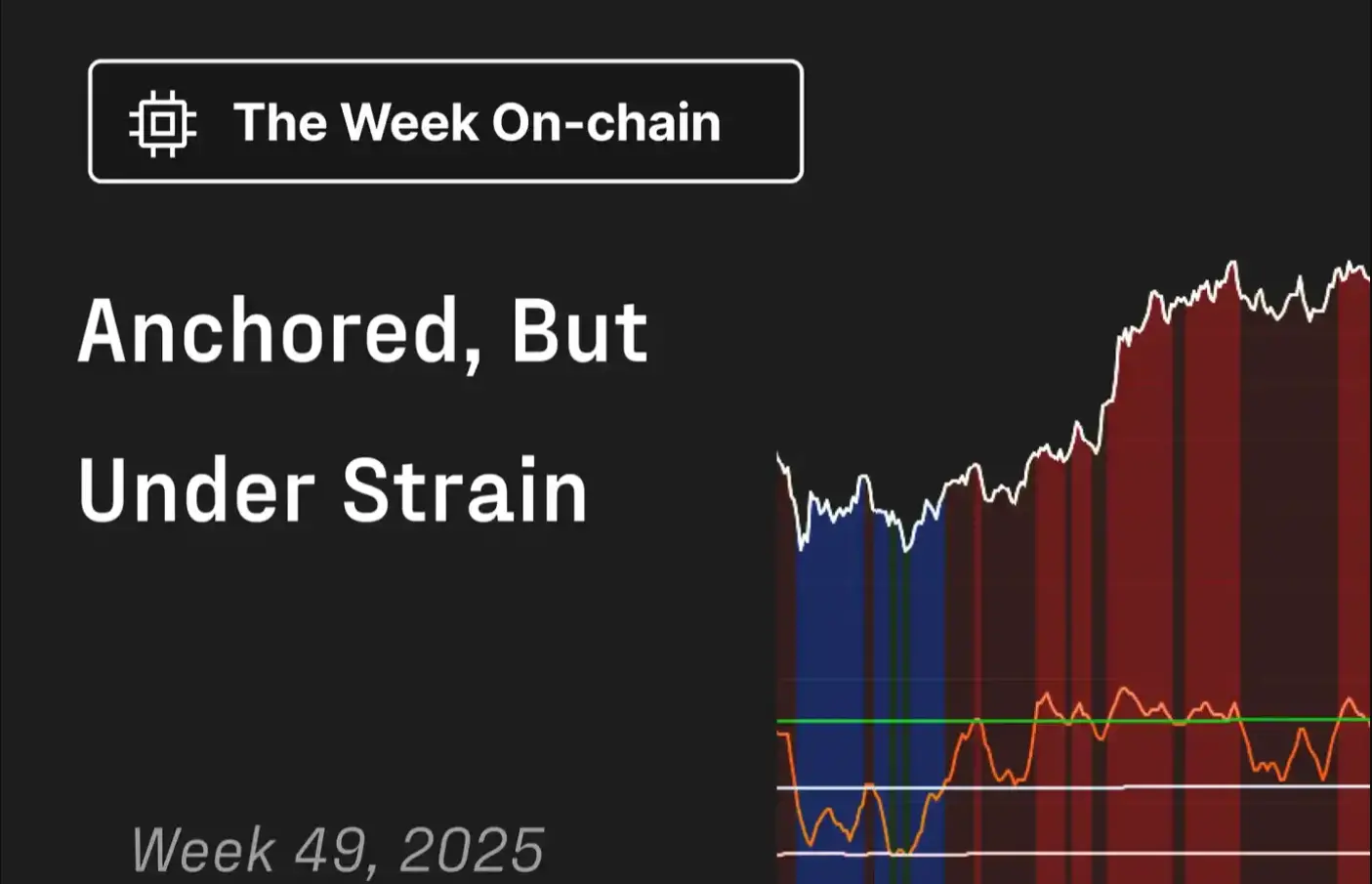
Glassnode: Bitcoin Weakly Fluctuates, Is Major Volatility Coming?
If signs of seller exhaustion begin to appear, a short-term move towards $95,000 and the short-term holder cost basis is still possible.
Should You Still Believe in Crypto
No industry has always been right from the beginning, until it truly changes the world.

Zeus unveils institutional-grade MPC infrastructure blueprint at Solana Breakpoint 2025, enabling Bitcoin to enter Solana’s on-chain capital markets
The focus will now shift to building MPC tools and providing support for developers, driving the creation of more native UTXO applications on Solana.
Trending news
MoreCrypto prices
More





