
Senate Crypto Tax Hearing: Balancing Regulation and Innovation at a Pivotal Moment
- U.S. Senate Finance Committee will hold a key hearing on October 1, 2025, to address digital asset taxation under Senator Mike Crapo’s leadership. - Testifiers including Coinbase’s Lawrence Zlatkin and Coin Center’s Jason Somensatto will advocate for exemptions on small crypto transactions and clearer property classification. - Legislative proposals like Senator Lummis’ $300 de minimis exemption bill could resurface, balancing investor relief against IRS enforcement challenges. - Market turbulence, inclu
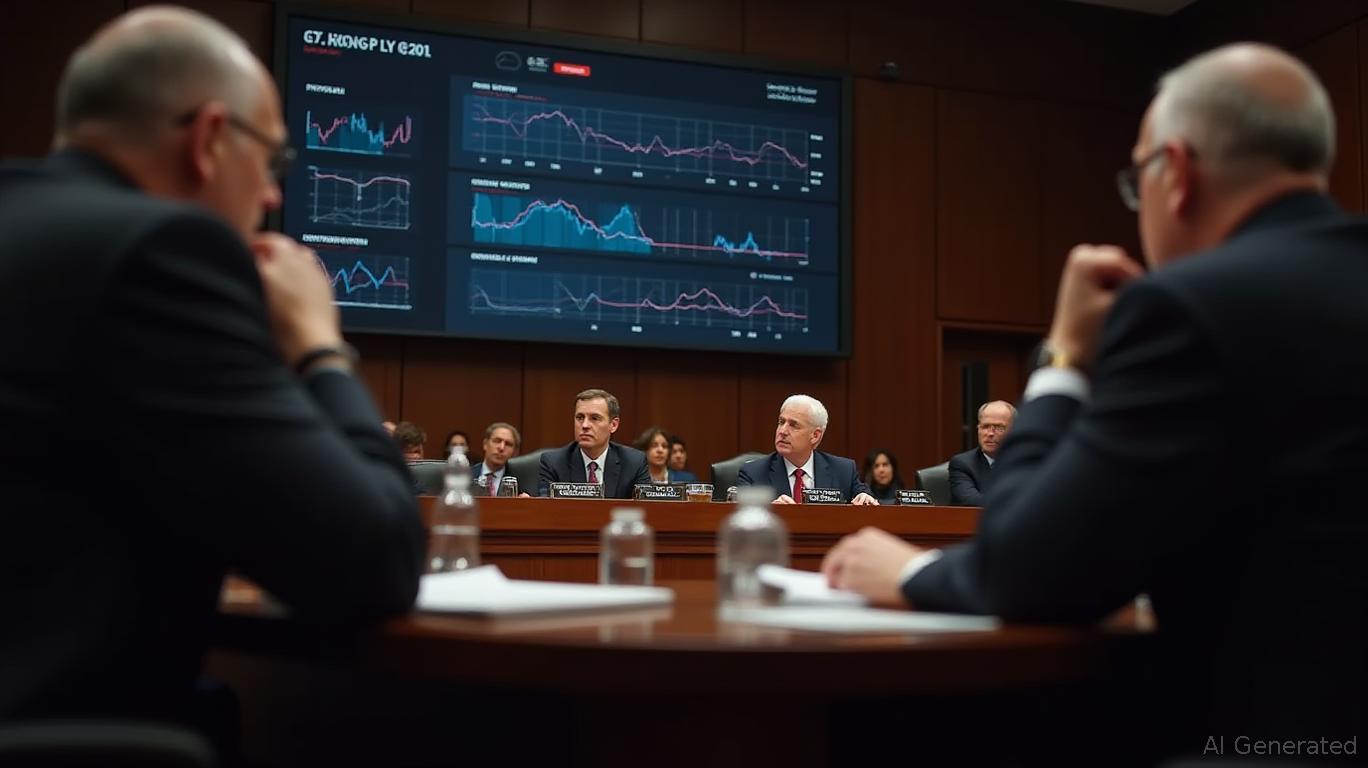
The U.S. Senate Finance Committee is set to hold a significant hearing on October 1, 2025, focusing on how digital assets are taxed. Titled “Examining the Taxation of Digital Assets,” the session will be led by Senator Mike Crapo (R-Idaho) and will gather testimony from prominent figures in the crypto sector. The committee intends to address the challenges of fitting current tax regulations to digital assets—a matter that has become increasingly urgent due to market volatility and demands for clearer rules.
Testimonies will be provided by Lawrence Zlatkin, who serves as Vice President of Tax at
The hearing will also touch on current legislative initiatives. Senator Cynthia Lummis (R-Wyoming) has previously put forward a bill suggesting a de minimis exemption for transactions below $300 and lower tax rates on
This hearing comes at a time of heightened instability in the crypto market. In late September 2025, Ethereum’s value fell below $4,000, wiping out $22 billion in market capitalization and leading to $498 million in liquidations. This downturn has intensified political attention, with lawmakers possibly using the situation to justify stricter regulation. The Senate’s review may speed up efforts to clarify whether crypto profits are taxed at the moment of transaction or only when gains are realized—a distinction that has left many investors uncertain.
These discussions are taking place against the backdrop of the Trump administration’s efforts to bring more regulatory clarity, though delays in budget approvals could push back the hearing date. Should the hearing move forward, it is expected to shape the future of digital asset taxation, which currently treats crypto as property under IRS rules. However, ongoing disagreements about whether crypto should be classified as property, securities, or a new asset class continue to pose challenges.
The results of this hearing could have significant consequences. More stringent reporting rules might dampen trading activity and slow adoption, while exemptions could give the industry some relief. Observers point out that the IRS’s growing emphasis on crypto compliance, including enhanced tracking capabilities, may have a greater impact than short-term market swings. The October 1 hearing marks a pivotal moment in deciding whether the U.S. will encourage digital asset innovation or implement regulations that could hinder growth.
Disclaimer: The content of this article solely reflects the author's opinion and does not represent the platform in any capacity. This article is not intended to serve as a reference for making investment decisions.
You may also like
The Rise of Dynamic Clean Energy Markets
- CleanTrade, CFTC-approved as a Swap Execution Facility (SEF), transformed clean energy markets into institutional-grade assets by standardizing VPPAs, PPAs, and RECs. - The platform addressed fragmented pricing and opaque risks, enabling $16B in transactions within two months and bridging renewable assets with institutional capital. - Institutional investors now use CleanTrade’s tools to hedge fossil fuel volatility and lock in renewable energy prices, mirroring traditional energy strategies. - Global cl

COAI Token Fraud: Insights for Cryptocurrency Investors During Times of Regulatory Ambiguity
- COAI token's 88% collapse in late 2025 exposed systemic risks in AI-driven DeFi ecosystems, with $116.8M investor losses. - Governance flaws included 87.9% token concentration in ten wallets, untested AI stablecoins, and lack of open-source audits. - Panic selling accelerated by AI-generated misinformation and CEO resignation, amid conflicting global crypto regulations. - Lessons emphasize scrutinizing token distribution, demanding transparent audits, and avoiding jurisdictions with regulatory ambiguity.

Renewable Energy Training as a Key Investment to Meet Future Workforce Needs
- Farmingdale State College's Wind Turbine Technology program aligns with surging demand for skilled labor in decarbonizing economies, driven by U.S. renewable energy targets. - Industry partnerships with Orsted, GE Renewable Energy, and $500K in offshore wind funding validate the program's role in addressing workforce shortages in expanding wind sectors. - Hands-on training with GWO certifications and VR simulations prepares graduates for high-demand, high-salary roles ($56K-$67K annually), reducing corpo

The Revival of STEM Learning as a Driving Force for Tomorrow’s Technology Investments
- Emerging STEM universities are driving tech innovation through interdisciplinary curricula and industry partnerships, focusing on AI, biotech , and advanced manufacturing. - U.S. programs like STEM Talent Challenge and NSF Future Manufacturing allocate $500K-$25.5M to bridge skills gaps and fund projects in quantum tech and biomanufacturing. - Leadership-focused STEM programs at institutions like Florida State and Purdue boost startup success rates (75-80%) and align with venture capital trends favoring

Trending news
MoreCrypto prices
More





