
MIRA - Experiences a 518.84% Decrease in 24 Hours as Short-Term Volatility Persists
- MIRA plummeted 518.84% in 24 hours to $0.3287 on Oct 16, 2025, despite a 171.02% 7-day gain. - The 24-hour crash occurred amid a 4630.66% monthly drop and 7320.17% annual decline, signaling sustained bearish trends. - No direct cause was reported, but the sharp move suggests event-driven triggers amid broader structural weakness. - A backtest hypothesis proposes analyzing 10%+ single-day drops to assess post-event recovery patterns in volatile assets.
As of October 16, 2025,
The most notable short-term movement was MIRA’s steep price drop within a single day. Although the asset had seen a moderate 171.02% rise in the week before, it faced a dramatic reversal in the subsequent 24 hours. The scale of this decline prompts speculation about the underlying causes. There is no direct news explaining this sharp fall, but the figures suggest a swift change in market sentiment, likely influenced by factors not specified in the available information.
MIRA’s performance over longer periods continues to show a persistent downward pattern. In the last 30 days, it lost 4630.66%, and over the course of a year, the loss deepened to 7320.17%. These numbers point to a prolonged bearish trend, with the recent 24-hour plunge occurring within this ongoing decline. However, the intensity of the one-day drop hints at a more immediate or specific event, as opposed to the broader, more gradual downturn.
Technical analysis tools have often been used to identify such significant price swings. One could develop a backtesting hypothesis focused on price reactions to sudden drops—such as a single-day decrease of 10%—to examine how similar assets have behaved after such events.
Backtesting Hypothesis
To analyze how assets like MIRA respond after a sharp 10% decline, a systematic backtest can be set up. This event-based analysis would look for cases where a chosen asset or index experienced a daily drop of 10% or more. The study would then monitor subsequent performance to see if these declines typically led to recoveries or further losses.
The two main variables for this backtest are the specific ticker(s) to be analyzed and the precise criteria for what constitutes a “down 10%” event. For example, the trigger might be defined as a day-over-day closing price drop of at least 10%. Once these criteria are determined, data from January 1, 2022, through October 16, 2025, can be reviewed to uncover trends in post-event price action.
Disclaimer: The content of this article solely reflects the author's opinion and does not represent the platform in any capacity. This article is not intended to serve as a reference for making investment decisions.
You may also like
The PENGU USDT Sell Alert: Is This a Turning Point for Stablecoin Approaches?
- PENGU/USDT's 2025 collapse triggered a $128M liquidity shortfall, exposing algorithmic stablecoin fragility and accelerating market shift to regulated alternatives. - USDC's market cap surged to $77.6B by 2025, while MiCA-compliant euro-stablecoins gained $680M in cross-border adoption amid regulatory clarity. - DeFi protocols adopted oracle validation and reserve-backed models post-PENGU, reducing exploit losses by 90% since 2020 through institutional-grade security upgrades. - Regulators now prioritize

Emerging Prospects in EdTech and AI-Powered Learning Systems: Ways Educational Institutions Are Transforming Programs and Enhancing Student Achievement
- AI is transforming education by reshaping curricula, enhancing student engagement, and optimizing institutional efficiency. - Universities like Florida and ASU integrate AI literacy across disciplines, offering microcredentials and fostering innovation. - AI tools like Georgia Tech’s Jill Watson and Sydney’s Smart Sparrow boost performance and engagement through personalized learning. - AI streamlines administrative tasks but faces challenges like ethical misuse and skill gaps, requiring structured train

Anthropological Perspectives on Technology and Their Impact on Education and Workforce Preparedness for the Future
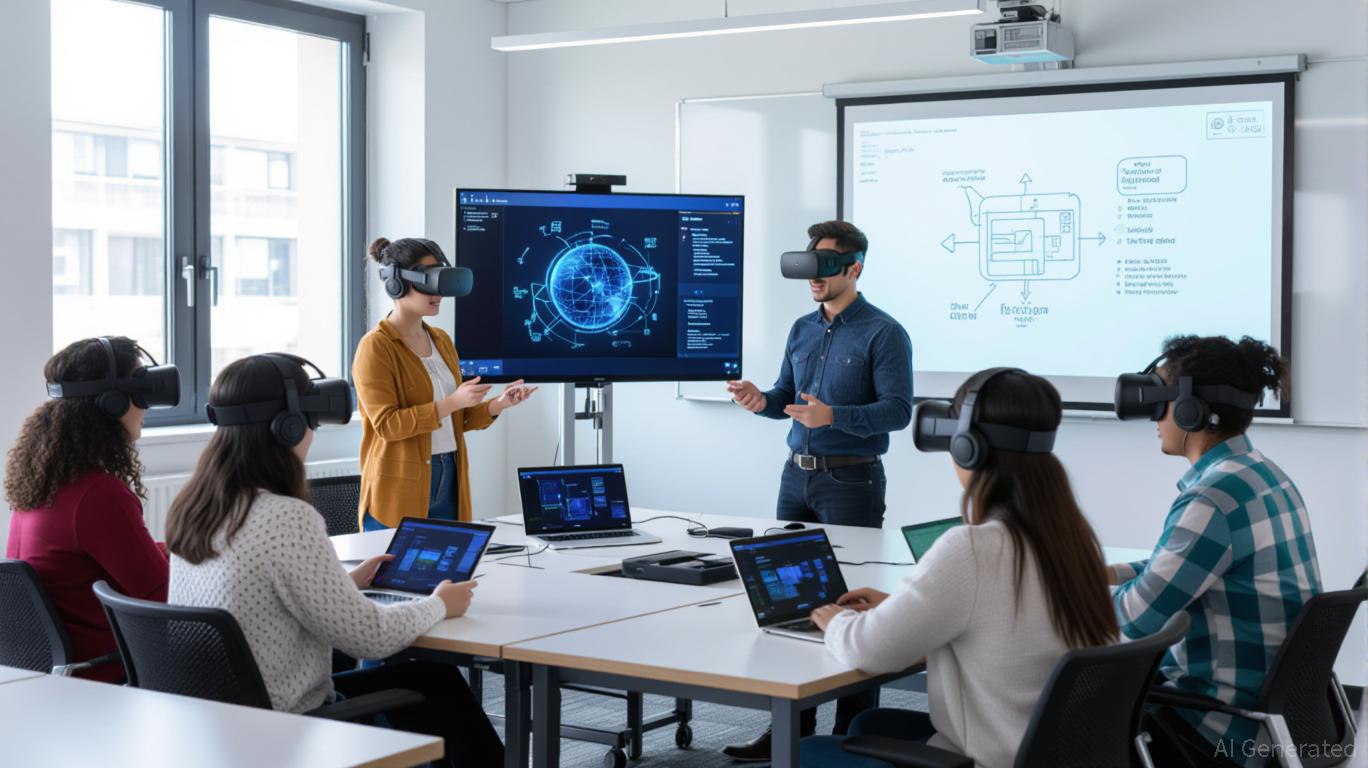
- Interdisciplinary STEM/STEAM education integrates technology tools like AI and VR to bridge theory and real-world skills, driven by $163B global edtech growth. - U.S. faces 411,500 STEM teacher shortages and 28% female workforce representation gaps, prompting equity-focused programs like Girls Who Code. - STEM occupations earn $103K median wages (vs. $48K non-STEM), with 10.4% job growth projected through 2033, driving investor opportunities in edtech and workforce alignment. - Strategic investments in t
The Revival of Educational Technology in Higher Education After the Pandemic
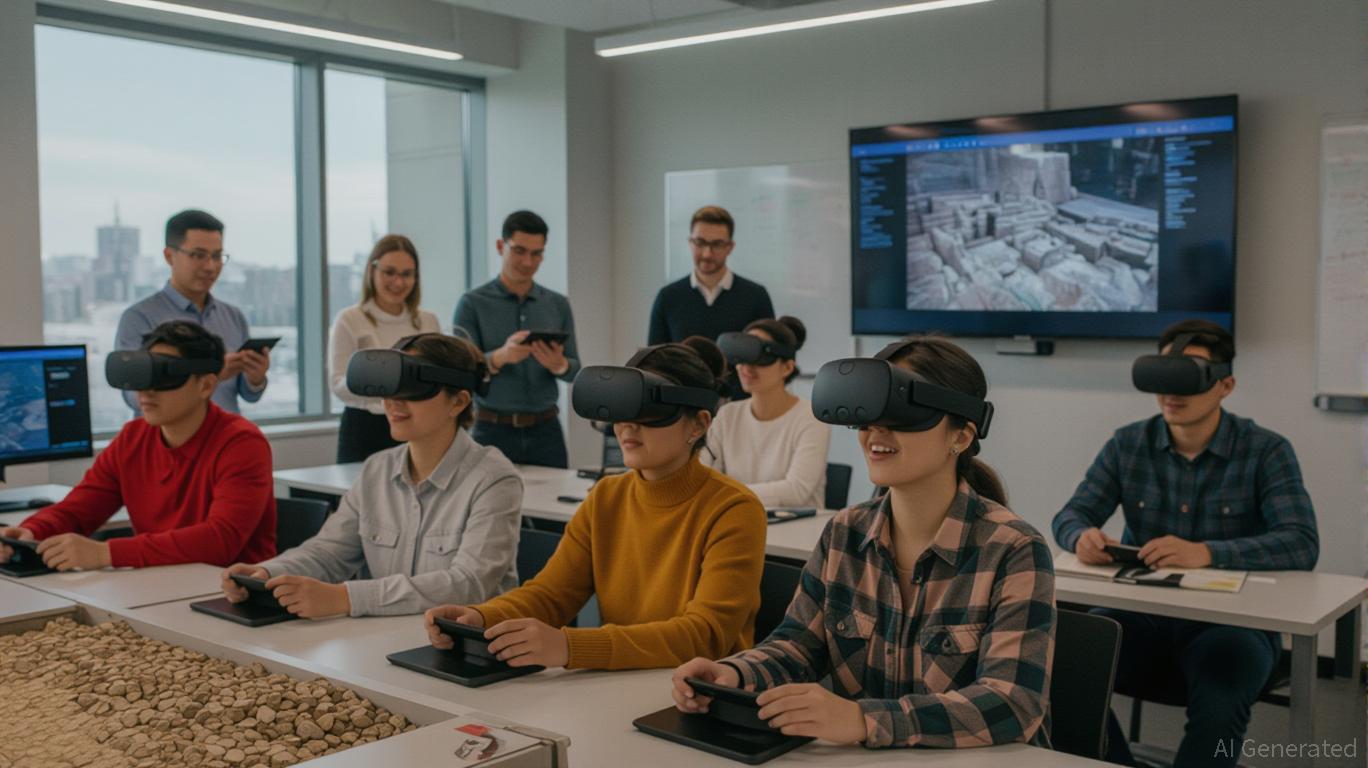
- Global EdTech market grows to $7.3T by 2025, driven by hybrid learning and AI/AR/VR adoption in higher education. - Institutions like MIT and Harvard integrate AI across disciplines, boosting enrollment and workforce alignment through $350M-$500M investments. - EdTech platforms enabling personalized learning and immersive experiences see rising demand, with 45% annual growth in AI-related programs since 2020. - Undervalued EdTech stocks offer investment opportunities as $16B+ VC funding accelerates innov
Trending news
MoreCrypto prices
More





