
Centralized control spells disaster for Kadena, highlighting the contradiction within crypto's decentralization ideals
- Kadena blockchain abruptly ceased operations, causing its token KDA to plummet 47% to $0.121. - The shutdown ended a four-year journey led by ex-JP Morgan executives, halting 2025 roadmap plans for Chainweb EVM and fintech integrations. - Analysts warn centralized governance models risk token viability, as Kadena's collapse highlights crypto projects' fragility amid regulatory and funding challenges. - Despite decentralized network persistence, lack of active development underscores risks of overreliance
The
This closure brings an end to Kadena’s four-year run. The blockchain was established in 2020 by former JP Morgan executives Stuart Popejoy and William Martino. The company had previously laid out an ambitious 2025 roadmap, which included collaborations with Magic Labs, Galxe, and the introduction of Chainweb EVM[2]. With the sudden shutdown, the fate of these planned projects is now unclear, even though the decentralized blockchain itself remains functional.

Market participants and analysts responded quickly to the development, with many viewing the loss of company backing as a critical blow to the token’s prospects. “While the decentralized network might continue, the absence of ongoing development and oversight will likely diminish the token’s usefulness and adoption,” commented one crypto analyst who wished to remain unnamed. The situation also brings to light concerns about the long-term viability of blockchain projects that depend heavily on centralized organizations for progress and upkeep.
Kadena’s closure comes at a time of heightened instability in the cryptocurrency sector, where regulatory ambiguity and funding shortages have affected numerous projects. The company’s exit underscores the vulnerability of blockchain startups that lack strong, decentralized governance frameworks. Although the Kadena blockchain may still operate independently, the absence of corporate leadership could discourage both developers and users from participating in the ecosystem.
The 2025 roadmap had highlighted upgrades such as Pact 5, new indexing tools, and partnerships with financial technology firms[2]. However, these initiatives seem to have stalled due to financial or operational setbacks. The abrupt end points to difficulties in securing adequate funding or community support to maintain ongoing operations.
As the crypto sector processes this news, Kadena’s downfall stands as a warning for blockchain ventures about the challenges of balancing innovation with sustainability. The KDA token’s fate illustrates the dangers of depending too much on centralized management in a field that increasingly values decentralization.
Disclaimer: The content of this article solely reflects the author's opinion and does not represent the platform in any capacity. This article is not intended to serve as a reference for making investment decisions.
You may also like
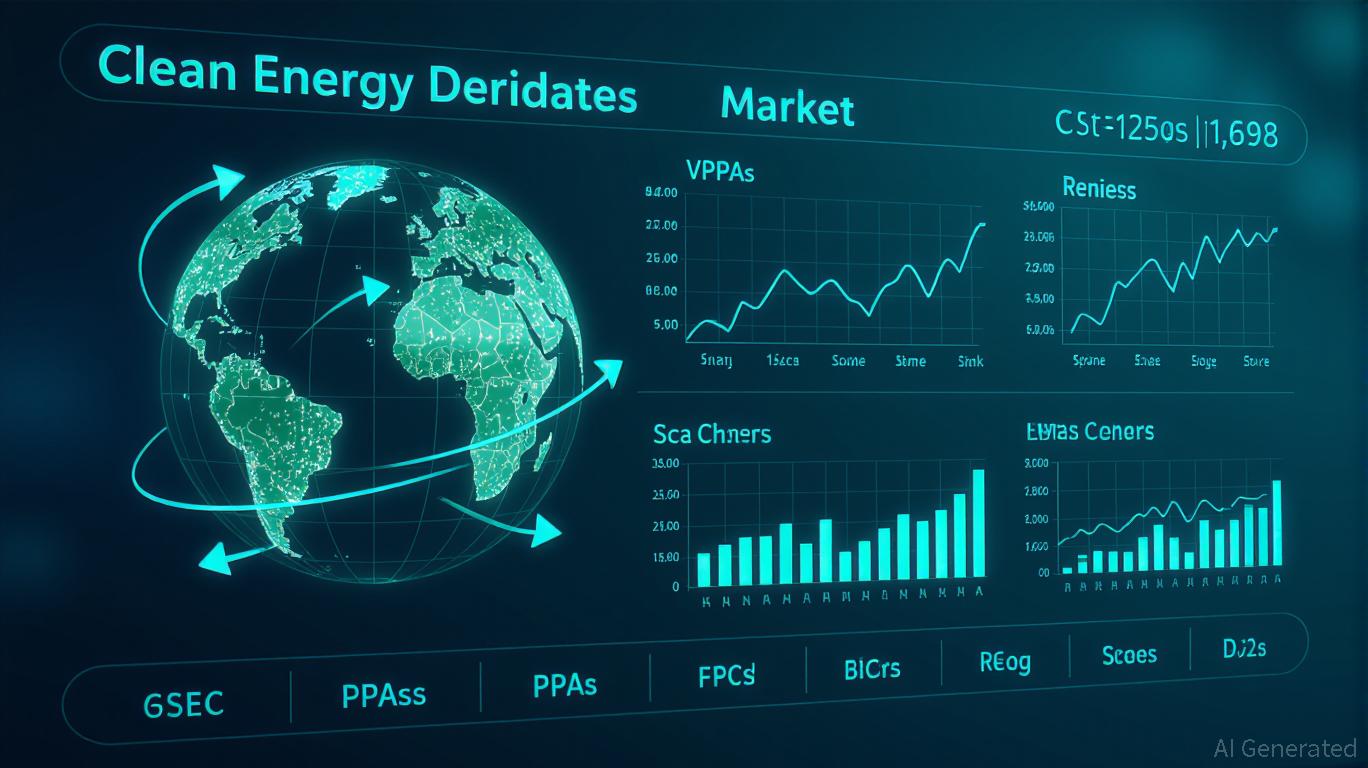
The Rise of CFTC-Regulated Clean Energy Trading Platforms and Their Influence on the Liquidity of Renewable Assets
- CFTC's 2025 approval of CleanTrade as a SEF marked a regulatory milestone, addressing fragmentation and boosting clean energy liquidity. - Institutional clean energy investments surged to $125T by 2032, driven by ESG mandates and platforms like CleanTrade offering real-time analytics and risk tools. - Q3 2025 saw $75B in U.S. clean energy investment, highlighting growing demand for renewables despite Q2 volatility in manufacturing sectors. - CFTC's regulatory flexibility, including no-action relief for S
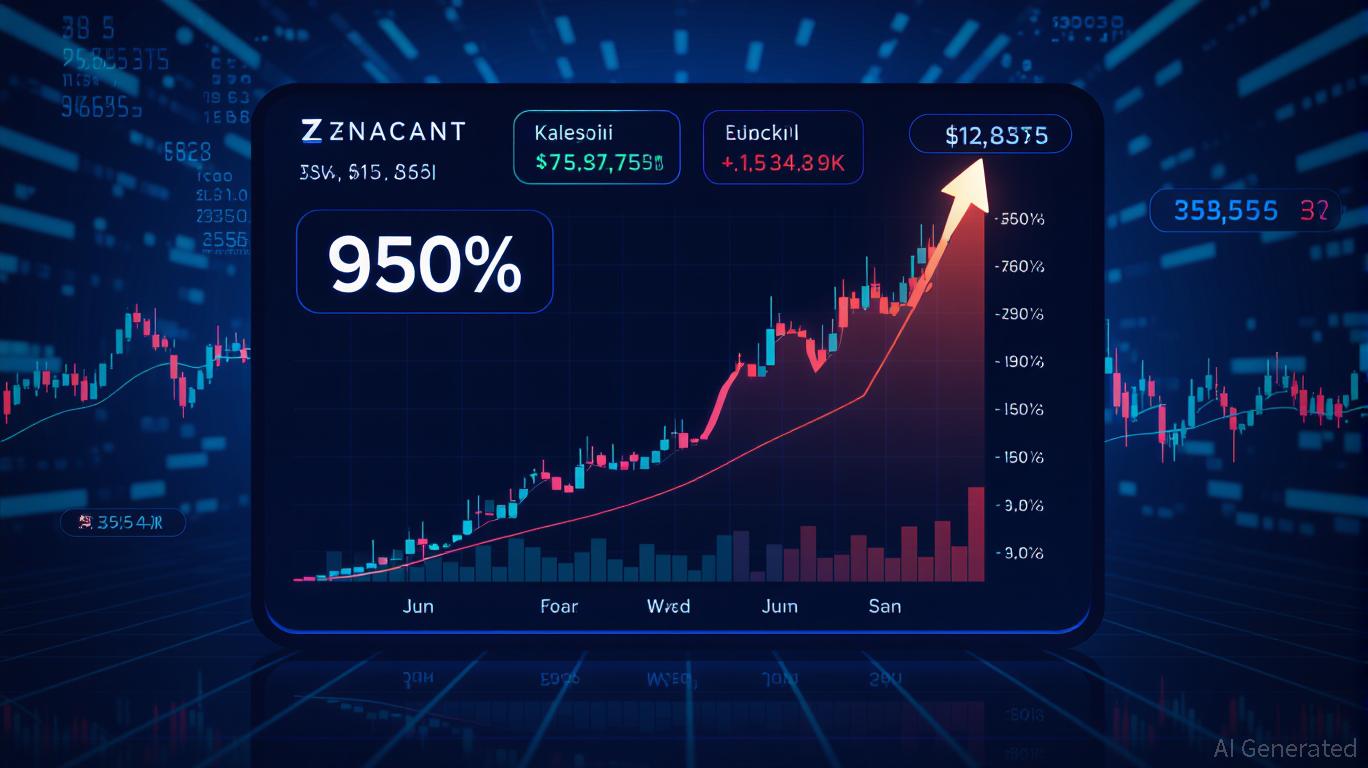
Zcash Halving 2025: Impact on Cryptocurrency Market Trends
- Zcash's 2025 halving reduced block rewards to 1.5625 ZEC, triggering a 950% price surge to $589 amid ZIP 1015 scarcity mechanisms. - Institutional adoption accelerated, with Grayscale acquiring 5% supply and Cypherpunk committing $100M, mirroring Bitcoin's post-halving trends. - Speculative trading drove $1.11B in Zcash futures open interest, causing 24% 24-hour price swings as retail investors chased scarcity-driven gains. - Hybrid consensus and optional privacy features differentiate Zcash from Bitcoin
ICP Network's Rapid Expansion and Increasing Institutional Embrace: Key Strategic Considerations for Long-Term Investors in Web3 Infrastructure
- ICP's 2025 growth stems from Fission/Chain Fusion upgrades enabling Bitcoin-Ethereum interoperability and Caffeine AI's no-code dApp platform attracting 2,000+ developers. - Institutional adoption surged with $1.14B TVL, Microsoft-Google partnerships, and first ICP ETP via Copper-DFINITY collaboration expanding institutional access. - Despite $4.71 price peak in November 2025, 10%+ volatility highlights risks, though 11,500 TPS capacity and $357M daily trading volume signal infrastructure strength. - Lon

New Prospects in STEM Learning and Career Advancement: Sustained Institutional Commitment to Academic Initiatives Fueling Tomorrow’s Innovation
- Global STEM education is accelerating as AI and engineering drive economic transformation, with 2025 government initiatives expanding AI-focused programs and workforce development. - U.S. universities report 114.4% growth in AI bachelor's enrollments, supported by corporate partnerships and $25M+ in tech industry investments for AI labs and teacher training. - EdTech's AI-powered platforms, valued at $5.3B in 2025, are projected to reach $98.1B by 2034, with startups like MagicSchool AI securing $45M in

Trending news
MoreCrypto prices
More





