
Elon Musk Predicts Work Will Be Optional in Two Decades
- Elon Musk predicts a future where work is optional due to AI.
- This involves massive AI and robotics integration.
- Potential societal and economic impacts remain uncertain.
Elon Musk, speaking at the U.S.-Saudi Investment Forum, predicted that in 10-20 years, advancements in AI and robotics could make traditional work optional.
Musk’s vision challenges economic norms, potentially redefining labor value and sparking debates over AI’s societal role, though immediate cryptocurrency market impacts are unclear.
Elon Musk has projected that in less than 20 years, AI and robotics will render traditional work optional. He articulated this vision at the U.S.-Saudi Investment Forum in Washington, D.C., fueling discussions about future workforce dynamics.
Musk’s prediction involves significant strides in AI and robotics, mainly through Tesla’s strategic projects like the Optimus robot. AI’s growing role in industry reshapes Tesla’s focus, as evidenced by ongoing financial and research commitments.
Immediate effects on industries and markets have yet to manifest fully. Musk’s assertions, however, highlight a potential shift in economic paradigms, challenging conventional labor roles and highlighting technology’s future dominance.
The implications of a world where work is optional could significantly disrupt social and economic structures. Financial markets are closely watching Tesla’s trajectory, particularly its embrace of AI-driven innovations like robotics. Elon Musk, CEO of Tesla, once stated, “My prediction is that work will be optional. It’ll be like playing sports or a video game or something like that.”
Discussions continue around Musk’s bold predictions amid skepticism about timelines. Historical technological evolutions suggest gradual workplace shifts, indicating possible delays in realizing such comprehensive automation.
Industry experts acknowledge AI advancements but question rapid adoption. Regulatory frameworks are currently unchanged, though ongoing debates about future policies and the socioeconomic impact persist. Musk underscores a long-term vision beyond immediate market effects.
Disclaimer: The content of this article solely reflects the author's opinion and does not represent the platform in any capacity. This article is not intended to serve as a reference for making investment decisions.
You may also like
The Astar 2.0 Infrastructure Initiative in Upstate New York: Leveraging Strategic Municipal Restructuring and Grant-Supported Projects to Drive Industrial Investment
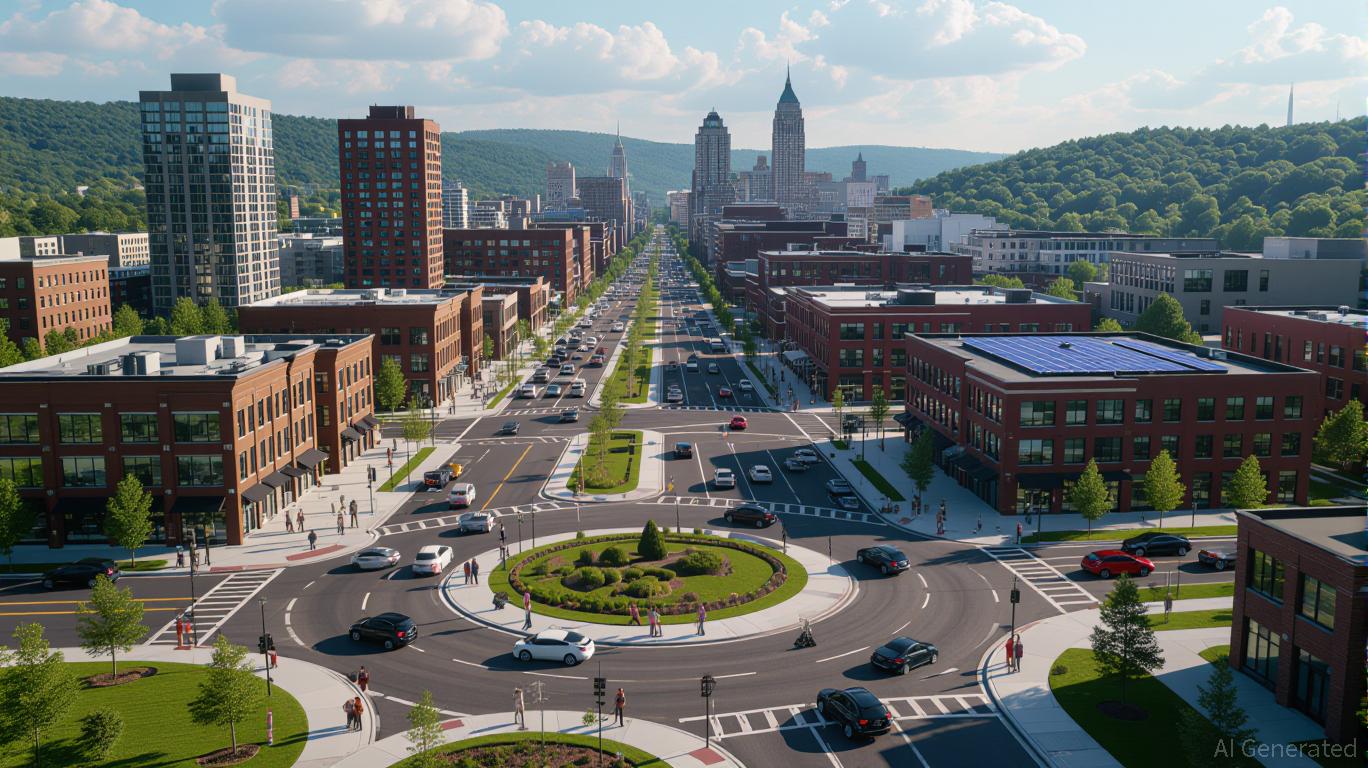
- New York State's $50M CIGP and Astar 2.0 initiative are transforming Upstate infrastructure to attract high-value industrial investment. - Erie and Onondaga counties use grant-funded projects like roundabouts and street revitalization to enable housing and commercial growth. - The CIGP's 50% local cost-sharing requirement and housing-linked incentives create scalable partnerships for industrial development. - Synergy with programs like POWER UP ensures power-ready sites, positioning Upstate as a hub for
2026: The Year When RWAs Will Become the Standard for Global Payments

Massive 250 Million USDC Minted: What This Whale-Sized Move Means for Crypto
Assessing the Enduring Infrastructure and Development Potential of the Xerox Campus Located in Webster, NY
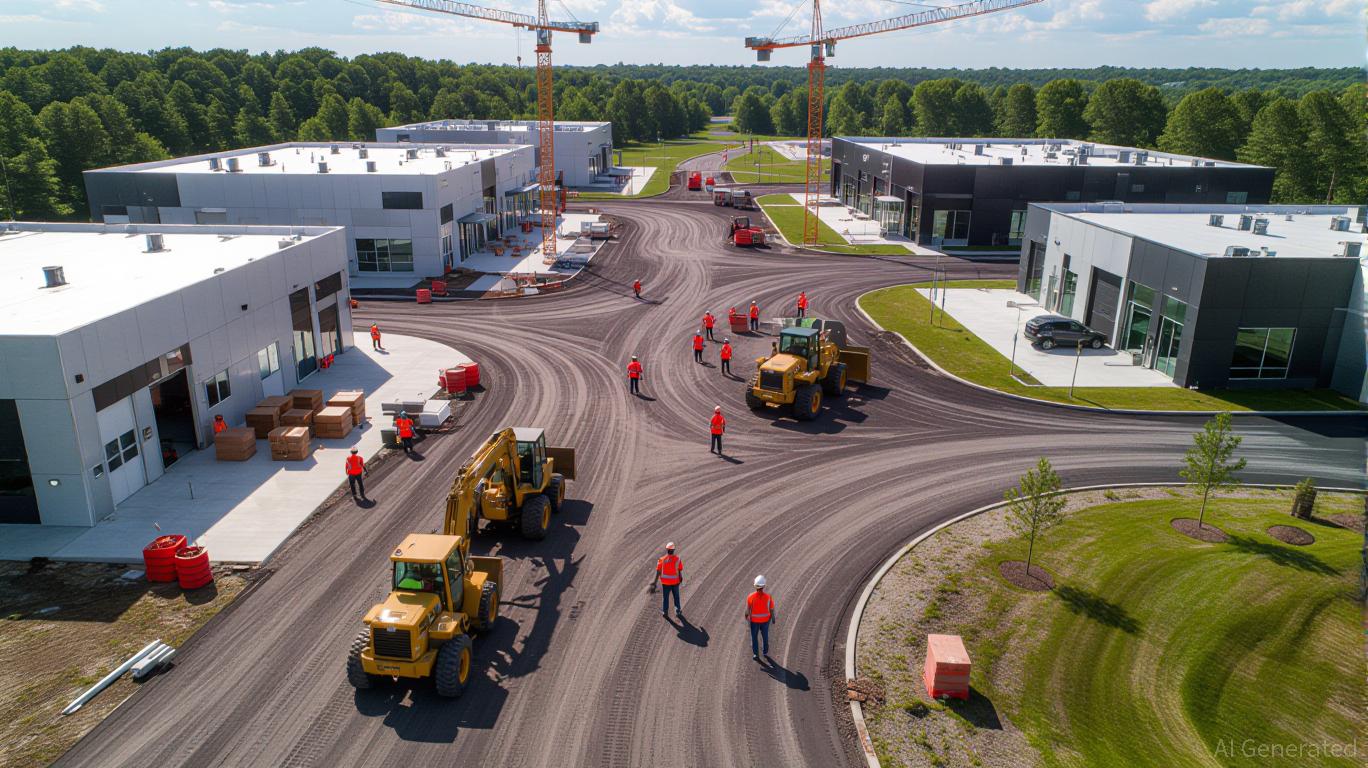
- Xerox Campus in Webster, NY, receives $9.8M FAST NY Grant to modernize infrastructure and revitalize a 300-acre brownfield site. - EPA-compliant remediation and municipal road realignments enhance accessibility, reducing industrial vacancy rates to 2% by 2026. - Projected $1B industrial hub includes a $650M dairy facility, creating 250 jobs and driving 10.1% annual residential price growth. - Strategic infrastructure upgrades position the campus as a nearshoring hub, offering investors resilient ROI thro
Trending news
MoreCrypto prices
More






