
TWT's Updated Tokenomics Structure and What It Means for Cryptocurrency Investors
TWT to TON: A New Era in Tokenomics
The transition from Trust Wallet Token (TWT) to Toncoin (TON) in 2025 signals a significant transformation in the approach to tokenomics. This move mirrors a growing industry preference for models that emphasize practical use, institutional compatibility, and long-term sustainability. For cryptocurrency investors, grasping these foundational changes is essential for evaluating TON’s future value and understanding its evolving market landscape. This overview explores the revamped tokenomics of TWT/TON, its alignment with institutional trends, and the associated risks and opportunities.
Key Developments in TON Tokenomics
The 2025 rebranding of TWT as TON brought about a comprehensive redesign of its economic framework. The most notable updates include:
- Supply Regulation: The TON Foundation adopted a balanced inflation strategy, minting 88,137 new tokens each day while burning 3,140 tokens to maintain scarcity. Additionally, the TON Strategy Company staked 217.5 million TON tokens, helping to stabilize the circulating supply and promote long-term holding.
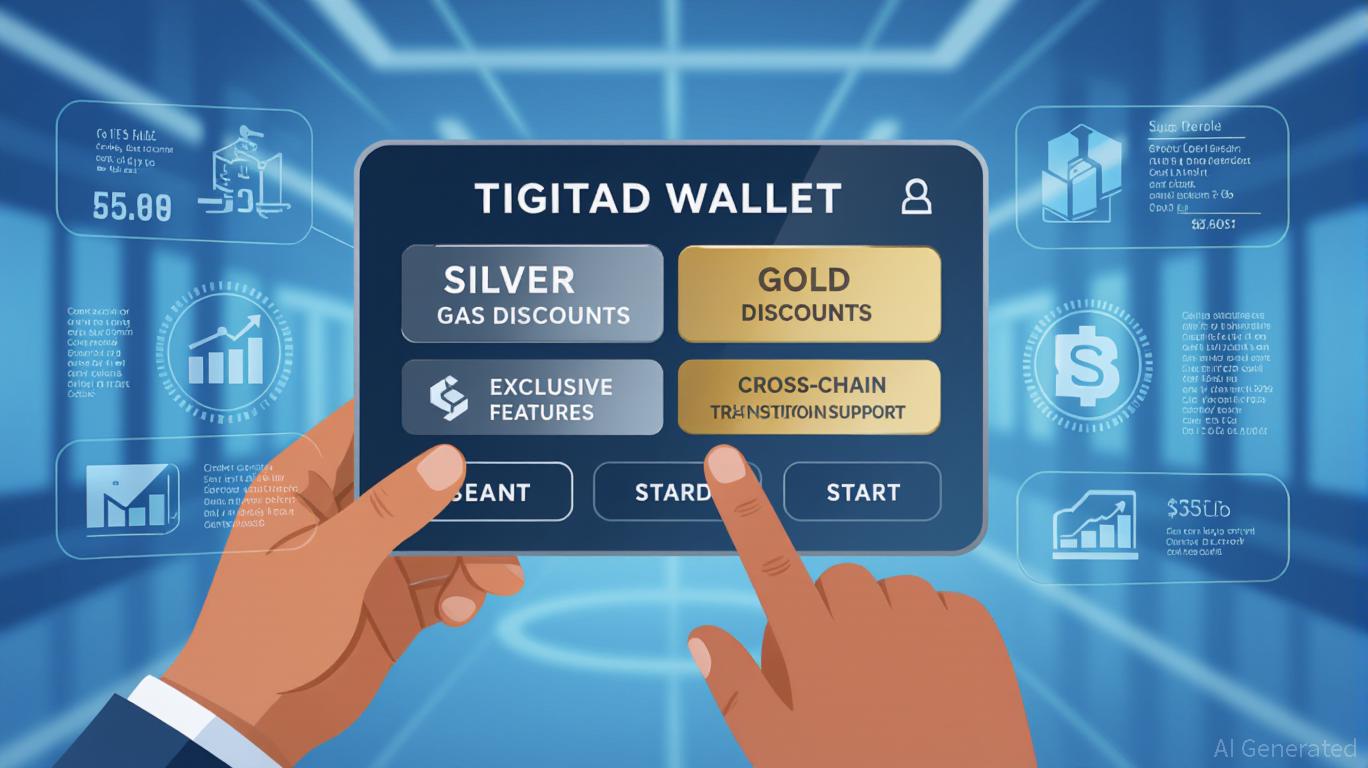
- Engagement-Based Rewards: The Trust Premium program, introduced in late 2025, links TWT’s value to user activity through a tiered rewards system (Bronze, Silver, Gold). Participants can access gas fee discounts and exclusive features, encouraging ongoing engagement and boosting demand for the token.
- Cross-Chain Functionality: With the FlexGas protocol, TON users benefit from gas discounts not only on the TON blockchain but also on Ethereum and BNB Chain. This interoperability expands TON’s reach into decentralized finance (DeFi) and real-world asset (RWA) applications.
-
 Institutional Collaborations: Partnerships with organizations such as Tether, Bitget, and Crypto.com have strengthened TON’s liquidity and infrastructure, positioning it as a robust platform for stablecoin transactions and institutional-grade financial services.
Collectively, these initiatives mark a shift from governance-focused tokenomics to a model that prioritizes real-world utility, controlled supply, and institutional engagement.
Long-Term Market Impact
The overhaul of TWT/TON’s tokenomics is designed to tackle two main objectives: ensuring sustainability and attracting institutional participation.
- Promoting Sustainability Through Scarcity and Usefulness: By carefully managing token issuance, burns, and strategic staking, TON aims to curb inflation and foster scarcity—both crucial for long-term value appreciation. Academic studies highlight the importance of aligning incentives and encouraging sustainable behaviors within token ecosystems. TON’s gamified rewards and cross-chain features further stimulate demand, reducing dependence on speculative trading.
- Encouraging Institutional Involvement and Liquidity: Building strong institutional relationships has been central to TON’s strategy. The TON Strategy Company’s financial results in Q3 2025, which included an $84.7 million net profit from staking and treasury operations, reflect growing institutional trust. These partnerships enhance liquidity and infrastructure, making TON more attractive to large-scale investors who value transparency and scalability.
- Navigating Regulatory and Liquidity Challenges: Despite these advancements, TON faces hurdles. Regulatory ambiguity around tokenized assets and RWAs could slow adoption. Additionally, if TWT’s value relies too heavily on promotional incentives like gas discounts, its appeal may diminish as these incentives are scaled back. Investors should remain vigilant regarding these risks, as well as broader economic and supply trends.
Future Price Outlook and Investment Insights
Market analysts anticipate that TON’s average price will reach $1.54 in 2025, with projections of $1.95 in 2026 and $2.55 by 2030, provided adoption and technological progress continue. These estimates are consistent with overall trends in the crypto sector, such as the growth of DeFi and the emergence of mini apps on the TON platform. However, investors should be mindful of potential liquidity issues and regulatory changes that could impact short-term price stability.
For those with a long-term perspective, TON’s tokenomics offer a compelling mix of scarcity, practical use, and institutional backing. Nevertheless, the ecosystem’s ongoing success will depend on its ability to keep users engaged and adapt to regulatory developments.
Summary
The evolution from TWT to TON represents a strategic shift toward a tokenomics model that values utility, scarcity, and institutional integration. While these changes address key challenges in the crypto space, investors must carefully consider the balance of long-term potential against regulatory and liquidity risks. For those who share TON’s vision of a gamified, cross-chain, and institutionally supported ecosystem, the token presents a promising opportunity—albeit one that requires ongoing vigilance and research.
Disclaimer: The content of this article solely reflects the author's opinion and does not represent the platform in any capacity. This article is not intended to serve as a reference for making investment decisions.
You may also like
After viewing your Spotify Wrapped 2025, take a look at these similar alternatives

Privacy Coins and Market Fluctuations: Uncovering the Factors Behind ZEC's Latest Price Jump
- Zcash (ZEC) surged 700% in late 2025 driven by institutional backing and network upgrades like the Zashi wallet. - Regulatory pressures and market fragmentation intensified as exchanges delisted privacy coins and liquidity shifted to decentralized platforms. - ZEC's volatility reflects macroeconomic tailwinds and speculative demand, but its long-term viability hinges on balancing privacy with regulatory compliance. - Institutional adoption of privacy coins accelerated in 2025, yet fragmented markets and
Why Dash (DASH) Is Soaring as Institutions Embrace It and Privacy Concerns Fuel Demand
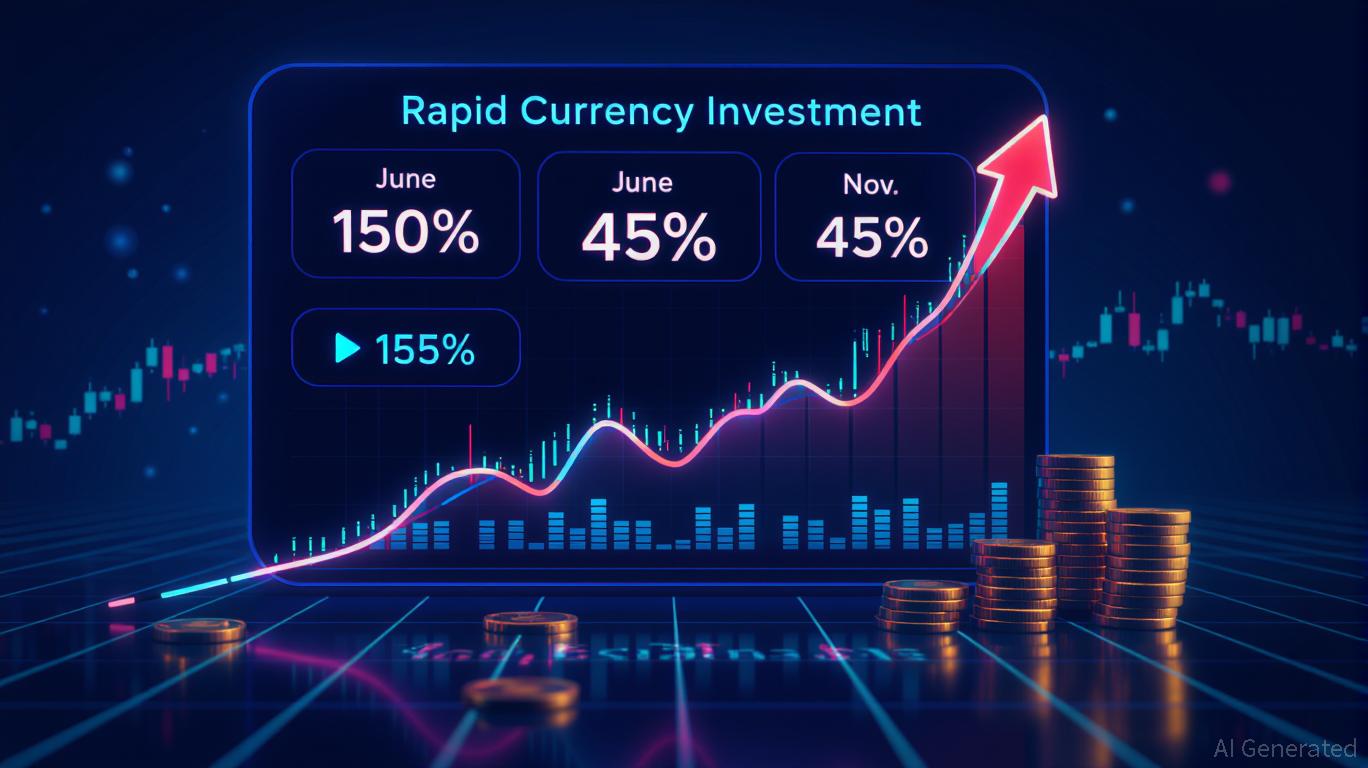
- Dash (DASH) surged 150% in June 2025, driven by institutional adoption and privacy-focused demand. - Institutional ownership reached 90.64% after AGF Management's $7.79M investment and DoorDash's $450M partnership. - Dash Platform 2.0 enhanced scalability while PrivateSend usage grew 25% YoY amid rising privacy needs. - Regulatory challenges persist under EU MiCA and SEC scrutiny, prompting multi-jurisdictional compliance strategies. - DeFi integration and Latin American adoption expanded DASH's utility
ZK Atlas Upgrade: Pioneering the Future of Blockchain Infrastructure for Enhanced DeFi Scalability
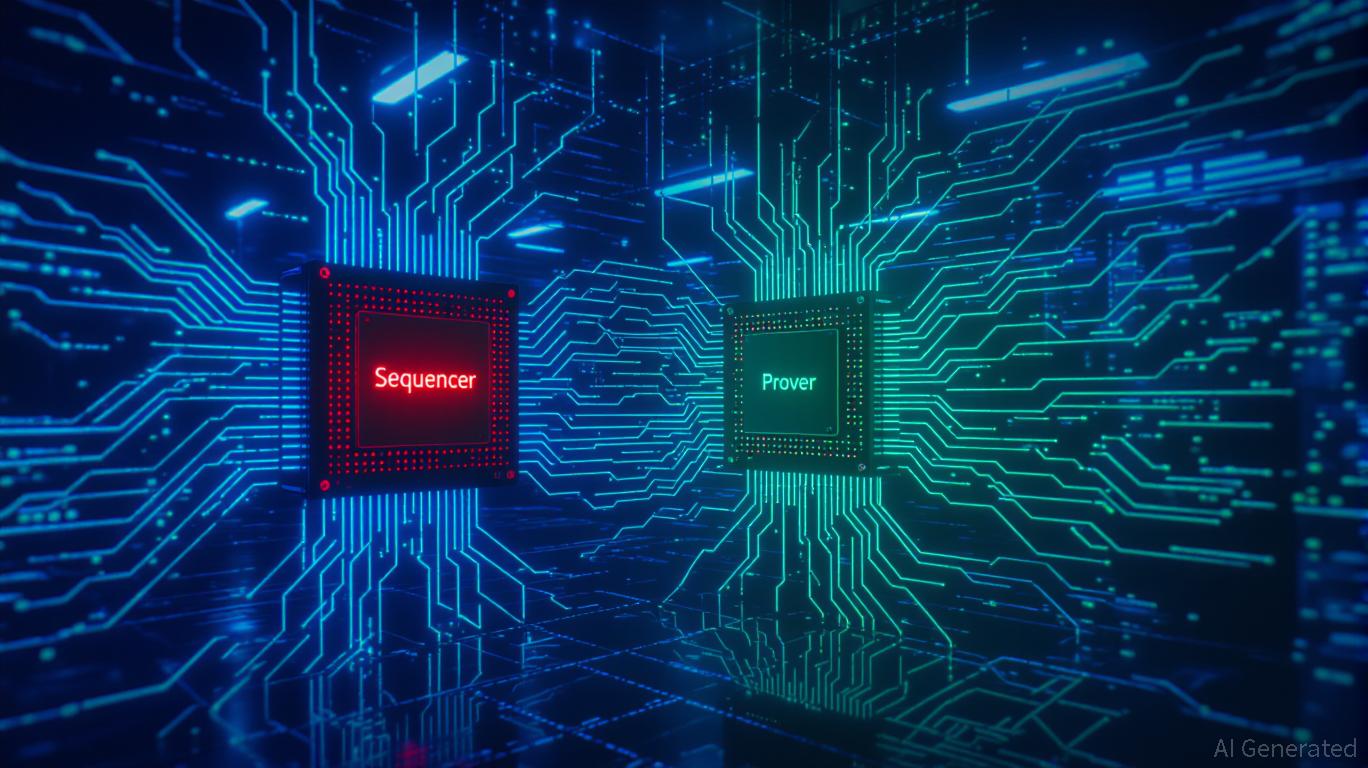
- ZKsync's 2025 Atlas Upgrade revolutionizes DeFi scalability via zero-knowledge rollups, boosting transaction throughput to 43,000 TPS and slashing costs to $0.0001 per transfer. - Modular architecture with Atlas Sequencer and Airbender Prover enables real-time execution, while zkSync OS supports EVM/WASM compatibility and cross-chain liquidity unification. - Post-upgrade DeFi metrics show 300% transaction volume growth and $0.28–$1.32 ZK token price projections, positioning ZKsync as a key Layer 2 infras
Trending news
MoreCrypto prices
More





