
The Chinese version of Apple Watch will soon introduce new features, designed for 20 million patients in China

 Invisible Killer Tangible Record
 Your Apple Watch is about to get a new feature, but we hope you never have to use it.
According to the official website of the National Medical Products Administration, Apple's "Mobile Pulse Rate Atrial Fibrillation Sign Recording Software" completed its medical device import registration on December 26, 2025.

In other words, the "AFib History" feature of Apple Watch will soon be available to domestic Apple Watch users and is expected to be released in the next iOS or watchOS update.
In response, Apple told Beijing Youth Daily that it is following the procedures as required and looks forward to providing this experience to users in mainland China.
Moreover, for most Apple Watch users, the successful rollout of the AFib history function may also mean that clinically relevant features such as sleep apnea and hypertension risk monitoring are also under review and are worth looking forward to.
Atrial Fibrillation: The Invisible Chronic Killer
It has been three and a half years since this feature was introduced, launched alongside watchOS 9 in 2022.
"AFib," short for "atrial fibrillation," means the atria of the heart are "fibrillating": when abnormal electrical impulses occur in the atria, the upper and lower chambers of the heart beat out of sync, resulting in rapid, ineffective contractions.
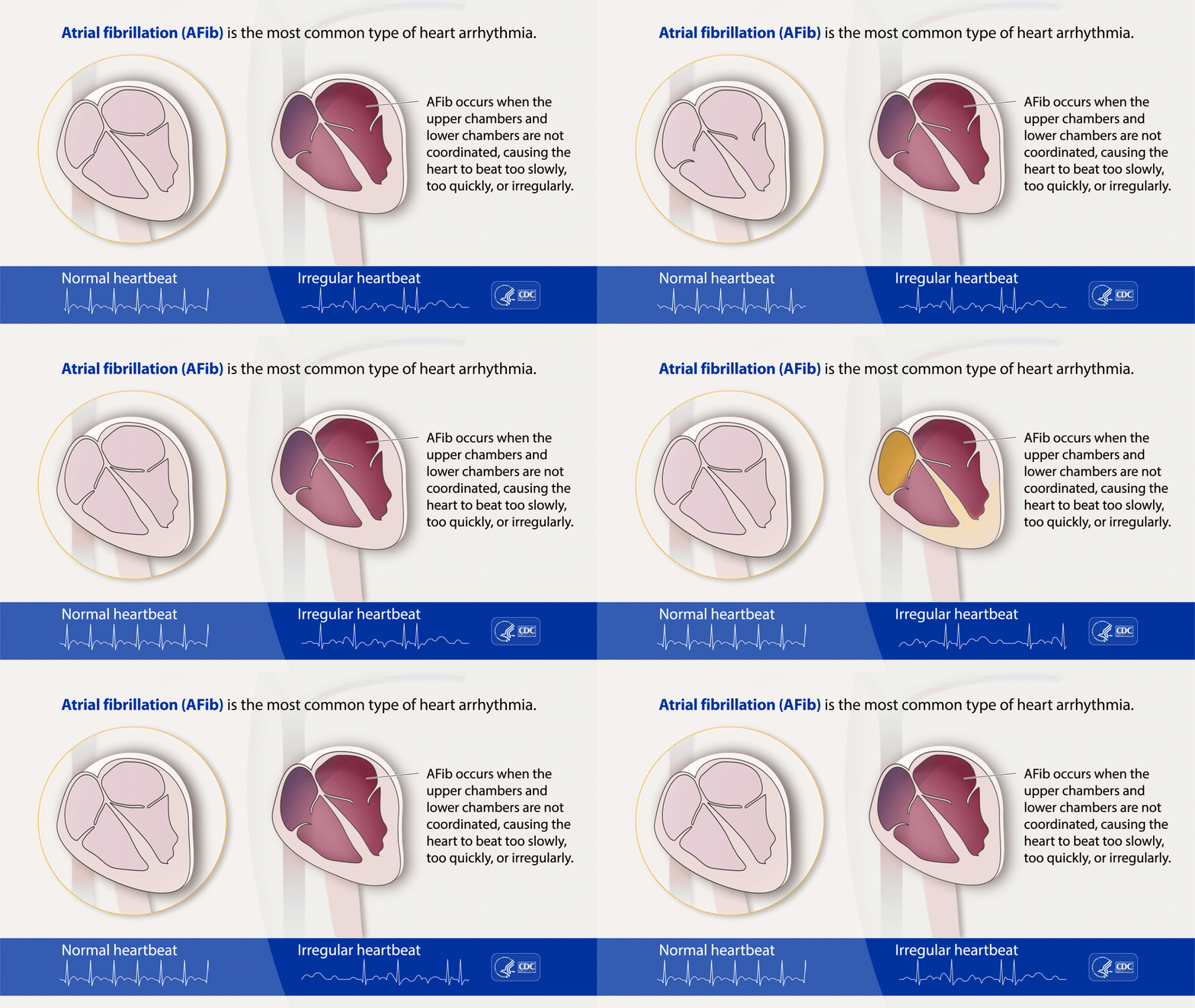
▲ Left: Normal heart rhythm; Right: Atrial fibrillation, Source: CDC
This is a heart condition that causes irregular and excessively fast heartbeats and is the most common form of arrhythmia.
A normal heart rate is 60-100 beats per minute. For AFib patients, the resting heart rate is usually 100 to 120 beats per minute, and can sometimes reach as high as 300.
AFib is a relatively more invisible disease because it may not cause any symptoms, and many patients can still live healthy lives. Severe cases may experience rapid heartbeat, palpitations, fatigue, and shortness of breath.
However, AFib increases the risk of complications. Patients who remain untreated for long periods may develop heart failure and blood clots, with the risk of stroke being 4 to 5 times higher than normal.
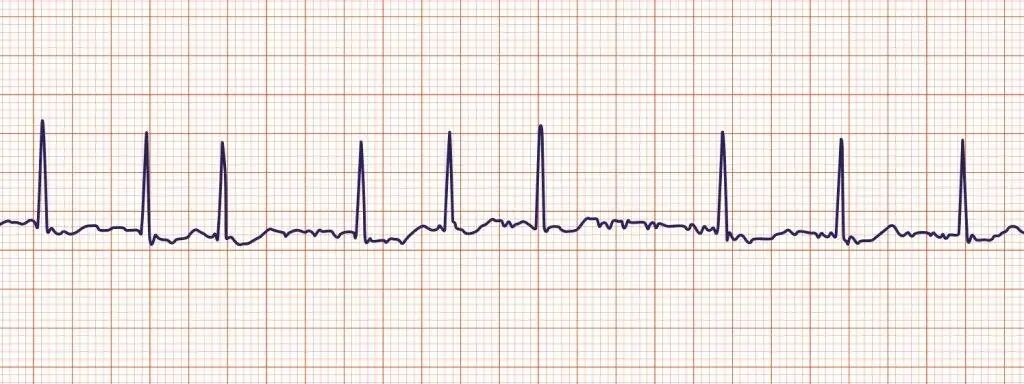
▲ AFib heart rate, Source: ACLS
In 2025, the age-standardized prevalence of AFib among adults in China is 1.6%, with nearly 20 million patients, and the incidence among people over 60 reaches as high as 6%.
June 6th of each year is "China AFib Day," demonstrating the country's strong emphasis on this invisible killer.
Professor Long Deyong, Director of the Arrhythmia Center at Beijing Anzhen Hospital, Capital Medical University, believes thatmany patients underestimate the dangers of AFib. In addition to increasing public awareness and early screening, portable wearable ECG monitoring devices such as smartwatches should also be promoted.
A Management Tool Exclusively for Patients
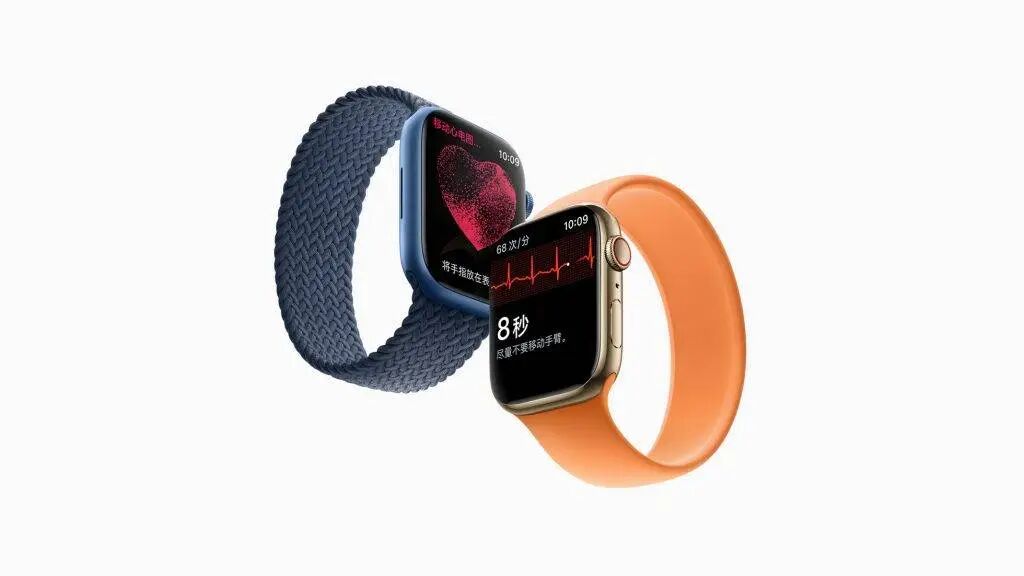
Related functions for detecting AFib signs were actually launched for the Chinese version of Apple Watch in 2021. When the watch detects possible AFib-related irregular heart rhythms, it will alert the user to seek professional medical help.
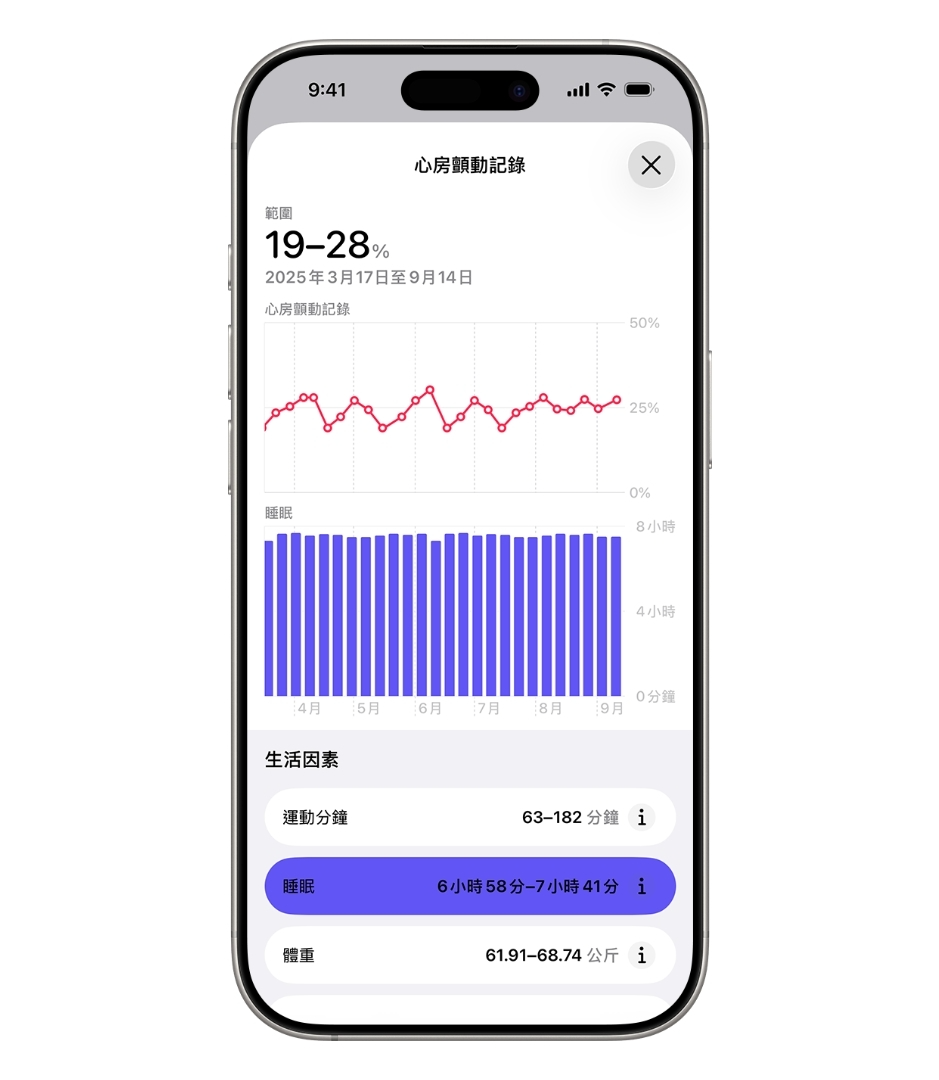
The soon-to-be-launched "AFib History" feature on Apple Watch is not intended for all users.
Both Apple's official website and the Medical Products Administration announcement specify that AFib history is primarily for patients aged 22 and above who have been diagnosed with AFib. It estimates the percentage of time spent in AFib using long-term heart data and does not provide separate AFib alerts—it's not an "alarm," but rather a "heart diary."

In the iPhone Health app under Browse - Heart, there is already an "AFib History" section, but it can't be accessed yet.
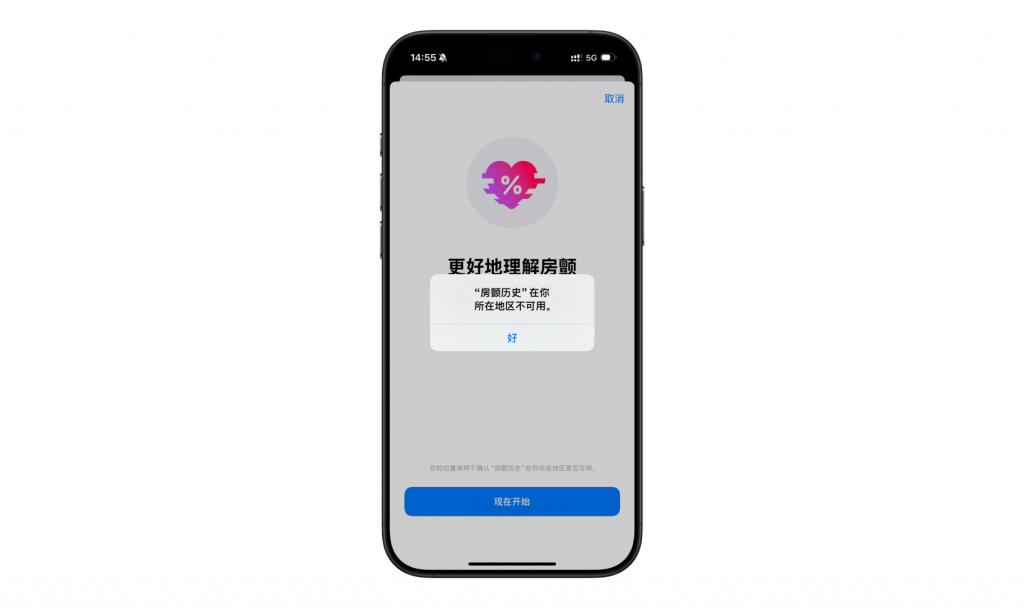
According to Apple, this feature will regularly check users' heart rates to detect signs of atrial fibrillation.
Simply put, Apple Watch estimates the percentage of time a user's heart is in AFib over a given period, a concept known as "AFib burden."
In addition to heart data, the Health app also collects information like exercise duration, sleep, body weight, alcohol intake, and mindfulness time—all factors that may affect AFib episodes.
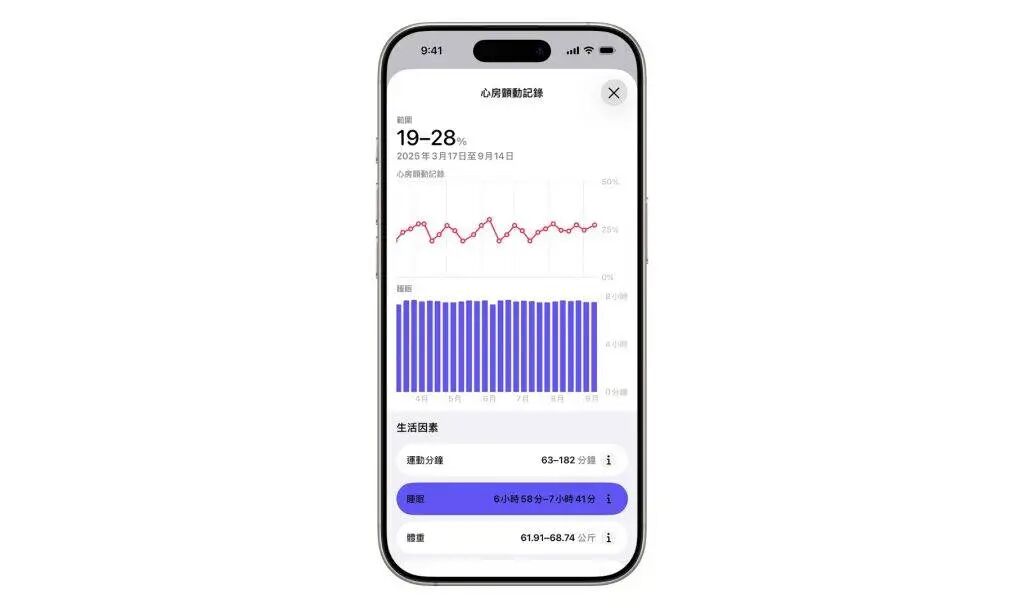
Once enough data is collected, Apple Watch will display a weekly summary every Monday, reminding users of the estimated percentage of time they experienced AFib the previous week,turning this "invisible killer" into a "tangible record."
On the relevant page, users can compare lifestyle data with AFib records to identify which factors are more correlated with AFib episodes.
According to Apple Health's VP Sumbul Desai, the average measurement difference between Apple Watch and FDA-approved reference devices is less than 1%.
For patients already diagnosed with AFib, it's impossible to wear an ECG or other medical device for long periods to monitor their AFib burden 24/7.
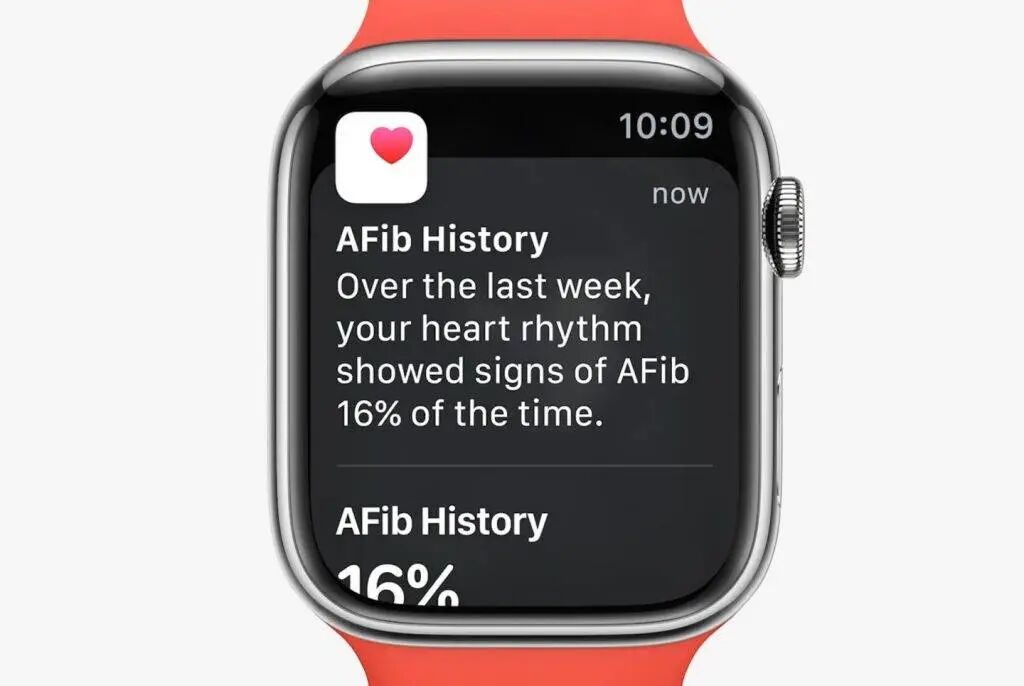
But as a daily wearable device, Apple Watch excels in this scenario. Even if the data is not 100% accurate, it can provide a general trend to help users determine whether their AFib burden has decreased after treatment.
Especially since Apple Watch can compare AFib data with lifestyle factors, helping users better understand how their habits affect their heart health, which is valuable for personalized AFib management.
Although it cannot be used as a medical diagnosis, it can serve as supplementary data for doctors, combined with professional clinical data for diagnosis.
Over the past few years, various smartwatches, including Apple Watch, have been focusing on "health warnings" to help users identify risks for chronic diseases such as sleep apnea, AFib awareness, hearing loss, etc.
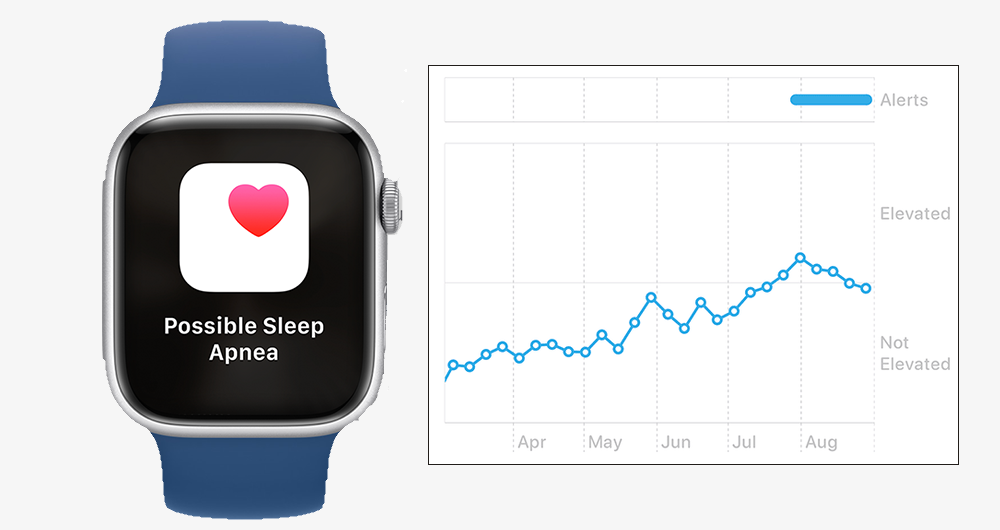
▲ Apple Watch's sleep apnea detection feature
However, after diagnosis, many wearable device-related features become relatively limited, even though patients need the most help.
AFib History fills this gap in the cardiovascular field. It is not a warning system, but a genuine "management tool."
Similarly, AirPods' "hearing aid" feature is strictly limited—users must be confirmed to have hearing loss after Apple testing before the function can be enabled.

As a pioneer in smartwatches, Apple has set an example that more manufacturers are likely to follow. Last year, Huawei launched the WATCH GT6 series, which also features a similar AFib burden recording function.
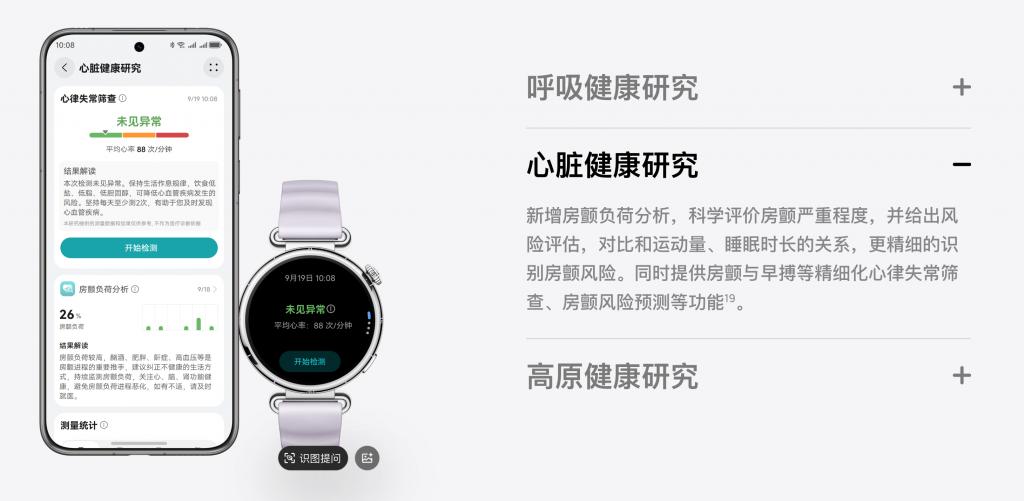
Is this "plagiarism"? The two are almost identical in function, but each uses its own algorithms.
I believe there is no such thing as "plagiarism" when it comes to smartwatch features. Regardless of the brand, it's a good thing for users when you lead and I follow.
By | Su Weihong
References:
The Paper, "Number of AFib patients approaches 20 million, expert: Increasing public awareness is key to prevention and treatment"
Disclaimer: The content of this article solely reflects the author's opinion and does not represent the platform in any capacity. This article is not intended to serve as a reference for making investment decisions.
You may also like
Bessent: Supreme Court reversal of tariffs is improbable, as they are a key element of Trump’s economic agenda
US Strategic Bitcoin Reserve Stalls Amid Interagency Legal Complications
Large bitcoin investors have accumulated more coins than at any time since the FTX crash in 2022
Trump throws UK automakers into turmoil once again
Trending news
MoreCrypto prices
More






