
Almost £8bn lost from UK banks as Trump considers limiting credit card interest rates

Trump's Promise to Cap Credit Card Interest Rates Impacts Banking Sector
Donald Trump has announced plans to introduce a ceiling on credit card interest rates if he secures a second term as US president, a move that has sent shockwaves through the financial markets.
Following his statement, nearly £8 billion was erased from the market capitalization of British banks. Barclays, which operates a credit card business in the US, saw its shares drop by 3.3% in London trading on Monday. NatWest shares also declined by 1.2% after Trump revealed that interest rates would be restricted to 10% for a year, starting January 20.
On Truth Social, Trump declared, “We will no longer allow credit card companies to exploit the American public with interest rates of 20 to 30 percent or higher, a problem that has persisted under the Biden administration.” He also noted that the January 20 start date would mark the anniversary of his previous administration.
The announcement triggered declines in US financial stocks as well. American Express shares fell by about 5% in pre-market trading, while JP Morgan dropped 2.5% and Citi slid by 4%.
Credit card debt in the United States has surged in recent years, rising from $770 billion in early 2021 to $1.17 trillion by the third quarter of 2024.
During his 2024 campaign, Trump promised to impose a cap on credit card interest rates. However, with little action from his administration, Senators Bernie Sanders and Josh Hawley introduced a bipartisan bill to set a 10% cap for five years. Despite being introduced in February of the previous year, the bill has stalled in Congress due to strong resistance from banking lobbyists.
There is uncertainty over how Trump’s proposed cap would be enforced, as it lacks legislative backing. On Sunday, Trump insisted that lenders would be breaking the law if they failed to comply, but he did not clarify the legal mechanism for enforcement.
The US banking industry has voiced strong opposition to the proposed cap, arguing that it would restrict access to credit cards, particularly for low-income consumers. A spokesperson for the American Bankers Association stated, “While we support efforts to make credit more affordable, evidence suggests that a 10% cap would reduce credit availability and harm millions of families and small businesses who depend on credit cards.”
Bill Ackman, a billionaire hedge fund manager and Trump supporter, also criticized the proposal. He initially posted on X (formerly Twitter) that Trump’s plan was “a mistake,” warning that lenders might cancel credit cards if they could not charge rates sufficient to cover losses and generate reasonable returns. Ackman later deleted the post.
Disclaimer: The content of this article solely reflects the author's opinion and does not represent the platform in any capacity. This article is not intended to serve as a reference for making investment decisions.
You may also like
The world's largest auto supplier warns profit margin may fall below 2%
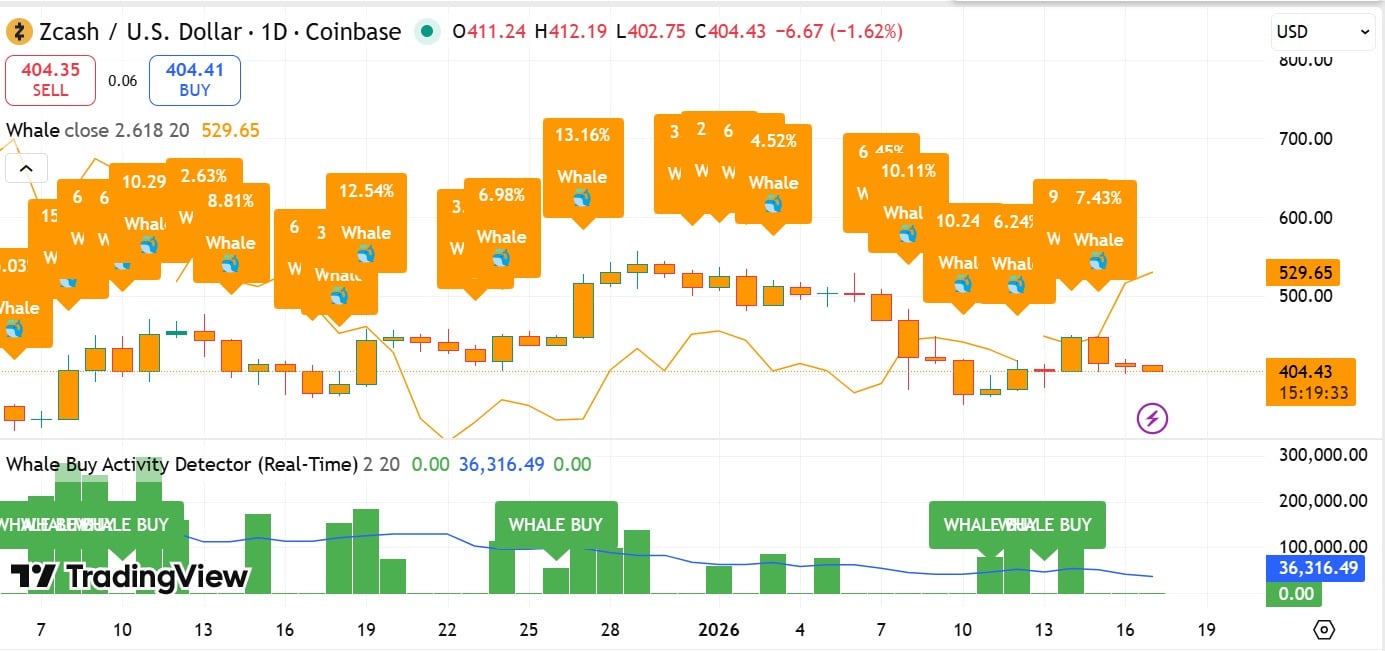
$31M ZEC whale inflows: Is Zcash ready to break $439?
Can Chainlink (LINK) Reverse? Expert Predicts Potential New Higher High
Anthropic’s Claude Code is the AI tool everyone’s talking about right now
Trending news
MoreCrypto prices
More






