
Pebble founder claims his latest venture is ‘not a startup’

Pebble’s Comeback: A New Approach to Smart Devices
Eric Migicovsky, the original mind behind Pebble, is charting a unique course as he revives the Pebble smartwatch brand and introduces an innovative AI-powered ring. This time, the operation is lean: a small team, no mass production ahead of sales, and zero external investors.
Crucially, Migicovsky emphasizes that his new venture, Core Devices, is intentionally “not a startup.”
“We’ve built this company to be sustainable and profitable, aiming for longevity rather than the typical startup trajectory,” Migicovsky explained during an interview at the Consumer Electronics Show in Las Vegas.
He clarified, “Startups play a vital role in driving innovation, but what we’re doing isn’t a brand-new concept. We’re reviving a proven idea, not inventing from scratch.”
Migicovsky’s previous experience with Pebble has shaped his current strategy, teaching him valuable lessons—especially about what to avoid.
The original Pebble company was acquired by Fitbit in 2016 for approximately $40 million, and Fitbit itself was later bought by Google for $2.1 billion.
Before the acquisition, Pebble faced challenges. The 2015 holiday season left the company with excess inventory, causing financial strain.
Lessons from the Past
Migicovsky reflected, “With hardware, you have to anticipate demand and manufacture accordingly. We overestimated, expecting $102 million in sales, but reached only $82 million. While impressive, it left us with surplus stock that had to be discounted.”
These markdowns upset retail partners and squeezed margins. Pebble also lacked the funds to complete new products, leading to layoffs and restructuring before ultimately seeking an exit.
“I lost sight of Pebble’s original mission,” Migicovsky admitted. “We started with a clear vision—Kickstarter, a transparent product, and a defined audience. Over time, we drifted, adding features like health tracking that didn’t align with our core identity.”
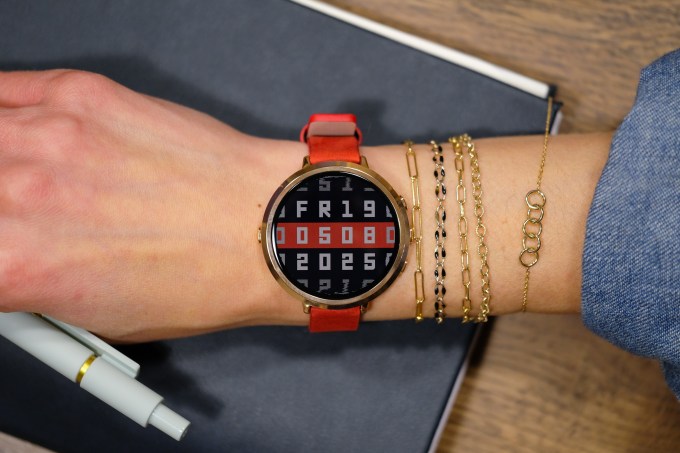
Image Credits: Pebble
A Focused Vision for the Future
This time, Migicovsky is targeting a specific group: fellow enthusiasts who enjoy tinkering and building, rather than the mainstream or fitness-focused users. “I want a device that complements my phone, not replaces it. Something playful and approachable—more like a Swatch than a Rolex,” he said. He’s comfortable with a product that doesn’t try to be everything for everyone.
“I’m content with a focused vision and a defined scope for what we want to achieve,” he added.
New Products, New Structure
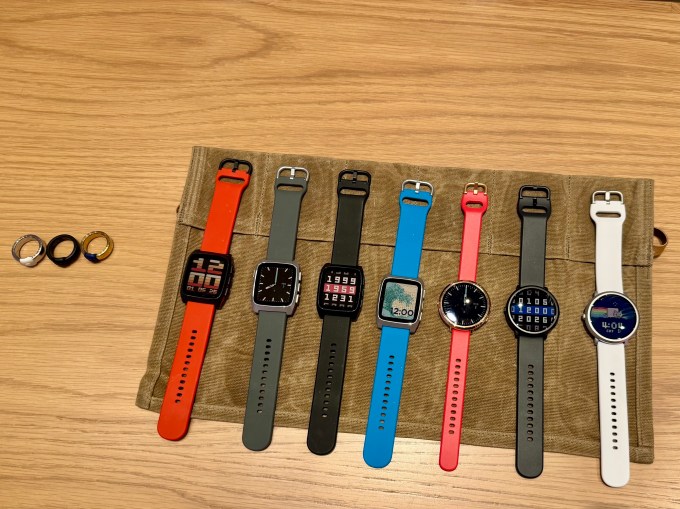
Core Devices has unveiled the Pebble Time 2, the Pebble Round 2, and the Index 01 AI smart ring priced at $75.
Unlike before, the team is just five people, selling directly to customers online—no large staff or distributor network.
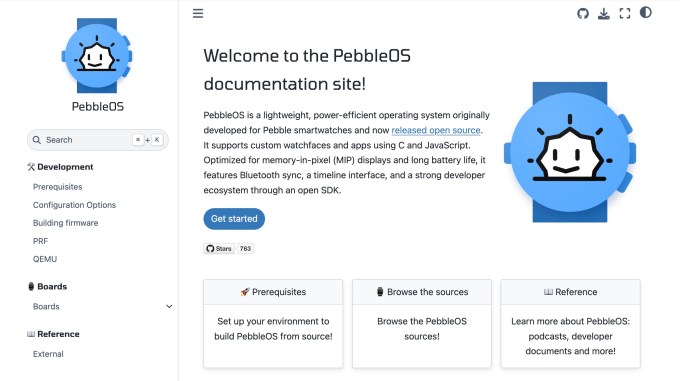
Image Credits: Pebbleos documentation website
The heart of these devices remains Pebble OS, the open-source operating system, thanks to Google’s decision to release it to the public.
Migicovsky recounted a chance meeting with Google’s Mattieu Jeanson at a child’s birthday party, which led to the right contact for requesting the OS be open-sourced. A year after his request, Google made it happen.
“I’m grateful to Google—few large companies would take such a step. I believe it was a tribute to the Pebble community,” he said.
Without Pebble OS, rebuilding the platform would have been impossible, as the original version took a large team years to develop.
Early Success and What’s Next
The new approach is paying off: 25,000 smartwatch pre-orders and 5,000 for the AI ring have already been secured.
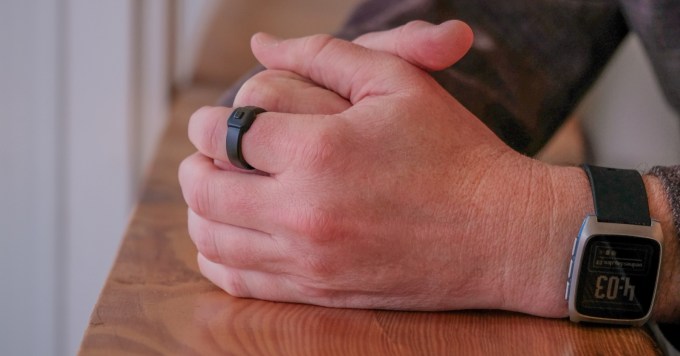
Image Credits: Pebble
Currently, Pebble pre-orders are being fulfilled with a six-month lead time, but the team aims to reduce this to just a few weeks. The Pebble App Store now offers 15,000 watch faces and apps, and a refreshed SDK for developers is on the way.
Migicovsky says the company is in a stable position, covering its costs and funding new ideas.
And there’s more to come. While he hasn’t revealed details about future hardware, Migicovsky hints that upcoming products will be simple, enjoyable, and designed to improve daily life—devices he personally wants to use, all working together seamlessly.
Disclaimer: The content of this article solely reflects the author's opinion and does not represent the platform in any capacity. This article is not intended to serve as a reference for making investment decisions.
You may also like
US Strategic Bitcoin Reserve Stalls Amid Interagency Legal Complications
Large bitcoin investors have accumulated more coins than at any time since the FTX crash in 2022
Trump throws UK automakers into turmoil once again
Cryptocurrency Market Stirs Enthusiasm as Bitcoin Holds Strong
Trending news
MoreCrypto prices
More






