
What Caused the Significant Decline in the U.S. Trade Gap? Gold

Significant Rise in Gold Exports Drives Trade Deficit Shift
Recent data indicates that a substantial increase in gold exports is a major factor behind the latest trade figures.
Main Points
- The U.S. trade deficit dropped by nearly 40% in October, reaching its lowest point since 2009.
- This dramatic change is largely attributed to a surge in non-monetary gold exports and a sharp reduction in pharmaceutical chemical imports.
- The declines followed the implementation of extensive new tariffs in August, though economists suggest these tariffs may not have significantly influenced the trade balance as initially anticipated.
October saw a notable contraction in the U.S. trade deficit, primarily linked to a remarkable jump in gold and silver exports.
The deficit narrowed to $29.4 billion, representing a decrease of almost 40% from the previous month and marking the smallest gap since 2009, during the aftermath of the financial crisis. Contrary to expectations from economists polled by The Wall Street Journal and Dow Jones Newswires, the deficit did not widen.
Why This Is Important
Fluctuations in the U.S. trade deficit are significant because net exports affect GDP, influence the value of the dollar, and shape forecasts for interest rates and corporate profits. Determining whether these changes are due to lasting shifts in production and demand or are simply the result of temporary commodity movements is crucial for assessing the strength of economic growth.
In October, imports fell by over 3% while exports climbed by 2.6%, though these changes were concentrated in specific industries.
Gold Exports Reach New Heights Amid Price Surge
Shipments of non-monetary gold and other precious metals soared by more than $10 billion in October, more than offsetting declines in other areas and accounting for the entire $7.1 billion increase in exports that month. This surge coincided with gold reaching a then-record price on October 20, reflecting a trend of investors seeking safety in gold.
According to Wells Fargo economists Shannon Grein and Tim Quinlan, "The dramatic narrowing of the October trade deficit is almost entirely explained by gold movements."
On the import side, the pharmaceutical sector played a major role. Imports of pharmaceutical preparation chemicals fell by $14.3 billion, exceeding the total $12.1 billion drop in overall imports reported by the Bureau of Economic Analysis.
GDP Impact Expected to Be Modest
While the reduced trade deficit is likely to support economic growth, the extent of its impact remains uncertain, according to Wells Fargo economists.
They noted, "The reported narrowing of the trade deficit overstates the real change, as the BEA adjusts for investment-related metal transfers in GDP calculations. Therefore, this export surge will not result in a dramatic boost to fourth-quarter GDP growth."
Additional Context
The release of this data, delayed by the previous year's government shutdown, follows President Donald Trump's introduction of a new set of reciprocal tariffs in August, which increased the cost of certain imports. These tariffs are currently being challenged in court, adding uncertainty about their future. Although tariffs have had some effect, Wells Fargo economists point out that some trade is being redirected through countries with which the U.S. has trade agreements, such as Mexico and Canada.
"We continue to believe that trade patterns are gradually returning to normal after the tariff-driven changes seen earlier last year," they commented.
Disclaimer: The content of this article solely reflects the author's opinion and does not represent the platform in any capacity. This article is not intended to serve as a reference for making investment decisions.
You may also like
Senior Investor Dan Tapiero: Bitcoin Will Rise to $180,000 This Cycle
China tech stocks outperform global peers on self‑sufficiency story despite slow economic growth
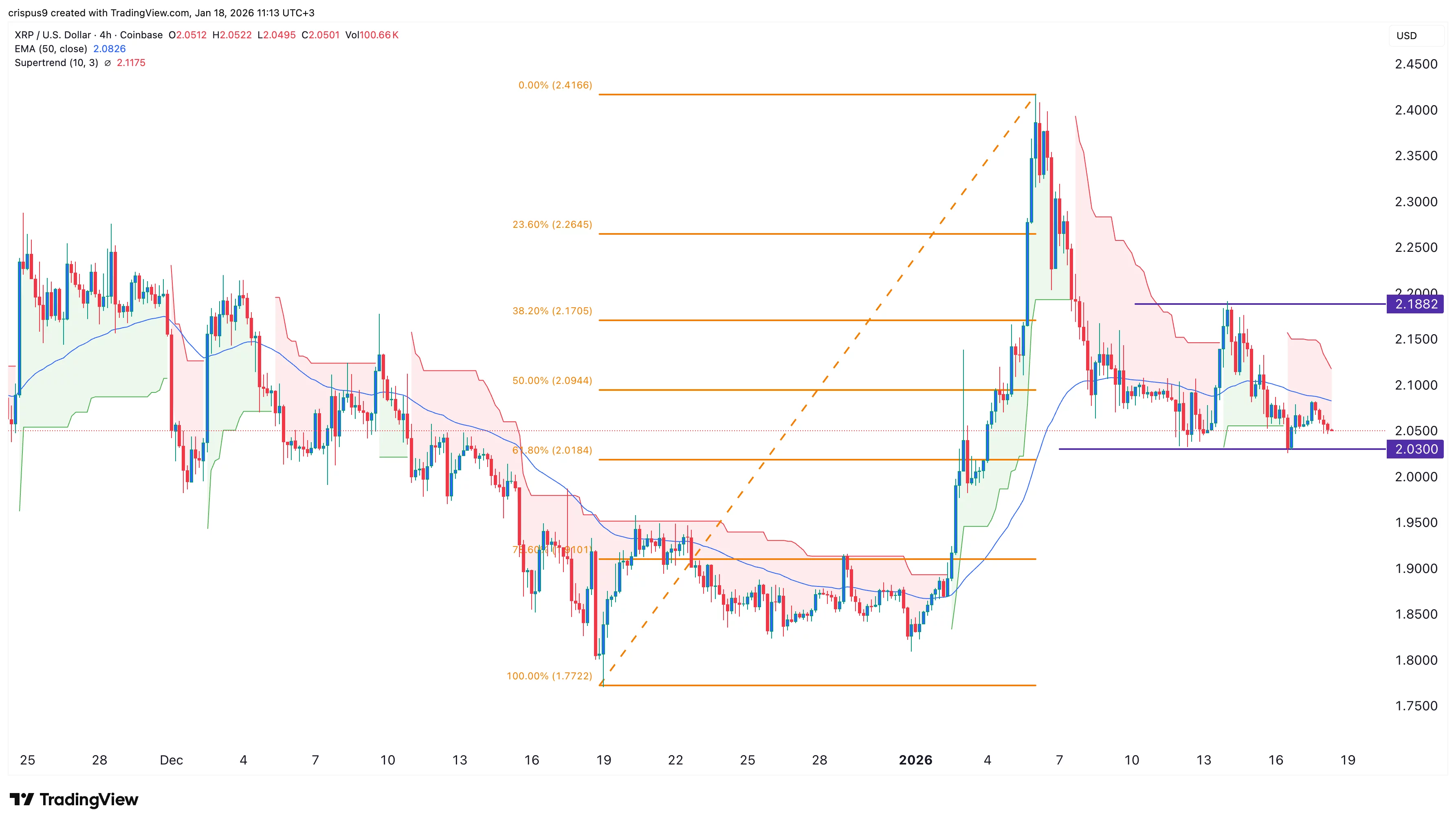
XRP price forms a double-bottom as weekly ETF inflows jump 47%
China’s Latest Surge in Tech Stocks Signals a Shift Away from Economic Slowdown
Trending news
MoreCrypto prices
More






