
News
Stay up to date on the latest crypto trends with our expert, in-depth coverage.

1Bitget UEX Daily|Iran Conflict Boosts Oil Prices;U.S. Plans Global AI Chip Controls;Non-Farm Data Imminent (2026-03-06)2Broadcom FY2026 Q1 Earnings: AI Revenue Doubles, Record Results, Strong Guidance, $10B Buyback3If the Strait of Hormuz is closed for another 3 days, 3.3 million barrels of crude oil in the Middle East will be forced to halt production, with Iraq being the hardest hit!

FED’s Most Dovish Member Stephen Miran Makes Another Unusual Economic Statement
CryptoNewsNet·2025/10/15 21:51
Jack Dorsey says "Yes" to a decentralized GitHub
CryptoNewsNet·2025/10/15 21:51
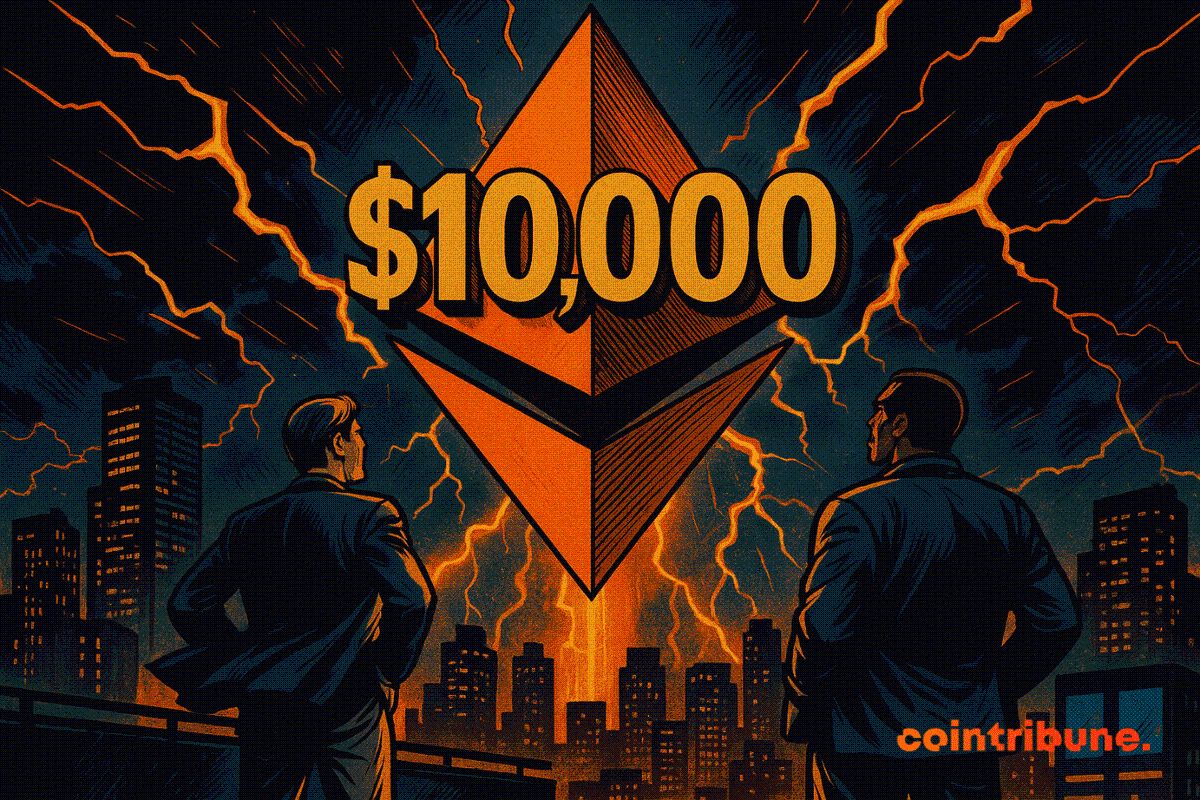
Ethereum at $10,000: Why Tom Lee and Arthur Hayes Still Believe
Cointribune·2025/10/15 21:45

BlackRock CEO Larry Fink Sees Asset Tokenization as the Next Major Financial Revolution
DeFi Planet·2025/10/15 21:39
CME Group Opens Dubai Office to Expand Crypto Derivatives Access in the Middle East
DeFi Planet·2025/10/15 21:39

Corporate Bitcoin Holdings Jump 38% in Q3 as Institutional Adoption Accelerates
DeFi Planet·2025/10/15 21:39

Analysts Maintain Bullish Outlook for ‘Uptober’ Despite Record Crypto Liquidations
DeFi Planet·2025/10/15 21:39

New York City Establishes First-Ever Municipal Office for Digital Assets and Blockchain
DeFi Planet·2025/10/15 21:39
Crypto markets turn red after Trump threatens to halt cooking oil imports from China
Coinjournal·2025/10/15 21:33

Thumzup Media explores Dogecoin for user rewards: what it could mean for DOGE
Coinjournal·2025/10/15 21:33
Flash
11:19
Stablecoin trading volume reached a new monthly record of $1.8 trillion in February, with USDC accounting for about 70%.PANews, March 7th – According to Cointelegraph, Allium data shows that stablecoin trading volume reached $1.8 trillion in February, setting a new monthly record. USDC accounted for about 70% of the total trading volume, reaching $1.26 trillion, while USDT's trading volume in February was $514 billion.
11:18
Next Week Macro Outlook: Stagflation Ghost Returns, CPI and PCE Data Become Key VariablesBlockBeats News, March 7th, as the situation in Iran further deteriorates, the uncertainty surrounding the future direction has led to intense market volatility this week. Recent data suggests that the Fed will have to address the rising inflation and declining employment to curb the risk of stagflation. Here are the key points that the market will focus on in the new week (all times are UTC+8):
Monday 23:00 (UTC+8), US February New York Fed 1-Year Inflation Expectation;
Wednesday 20:30 (UTC+8), US February Non-Seasonally Adjusted CPI YoY, Non-Seasonally Adjusted Core CPI YoY;
US February Seasonally Adjusted CPI MoM, Seasonally Adjusted Core CPI MoM;
Friday 15:00 (UTC+8), UK January Three-Month GDP MoM, January Manufacturing/Industrial Production MoM, January Seasonally Adjusted Goods Trade Balance;
Friday 20:30 (UTC+8), US January Core PCE Price Index YoY/MoM, US January Personal Spending MoM, US Q4 Real GDP Annualized QoQ Revised, US January Durable Goods Orders MoM;
Friday 22:00 (UTC+8), US January JOLTs Job Openings, US March 1-Year Inflation Expectation Preliminary, US March University of Michigan Consumer Sentiment Index Preliminary.
If Core CPI and Core PCE Price Index MoM are stronger than expected, it may further support the US dollar; conversely, soft data could weigh on the dollar, helping to boost a rebound in spot gold. In addition, Oracle (ORCL.N) will release its earnings report after the US stock market closes on Tuesday. (FXStreet)
10:48
India responds firmly to US waiver order: Buying Russian oil has never required permission from any country(1) In response to the 30-day waiver issued by the United States, the Indian government gave a strong reply on Saturday. In a statement released by the Press Information Bureau of India, it was clearly stated that India will continue to advance its Russian oil imports, while emphasizing that such purchases by India have never required permission from any country. (2) The statement pointed out that India's purchase of Russian oil has never depended on any country's "short-term waivers." Data shows that as of February 2026, India is still importing Russian oil, and Russia remains India's largest crude oil supplier. (3) India's stance clearly delineates the boundaries of sovereignty: the waiver is a unilateral act by the United States, and India's purchase of Russian oil is a decision based on its own energy needs and diplomatic autonomy. Such strong wording is both an explanation to domestic public opinion and a signal to Washington—that India's energy procurement decisions are not influenced by external temporary policies.
News