
News
Stay up to date on the latest crypto trends with our expert, in-depth coverage.


BTR (Bitlayer) 24h amplitude 607.1%: Trading volume soars 718%, sell pressure leads to sharp drop
Bitget Pulse·2026/03/23 19:07
Biotech stock NovaBay jumps 19% amid pivot, rebrand to Stablecoin Development Corporation
The Block·2026/03/23 19:01
Alabama Licensed Builder Brings Physical Home Sale Directly to Ethereum Blockchain
TimesTabloid·2026/03/23 18:24
Xaman Wallet Issues Another Warning to XRP Holders
TimesTabloid·2026/03/23 18:12
ARIAIP (AriaProtocol) fluctuates 43.7% in 24 hours: Surge driven by trading volume, no clear news event
Bitget Pulse·2026/03/23 17:27
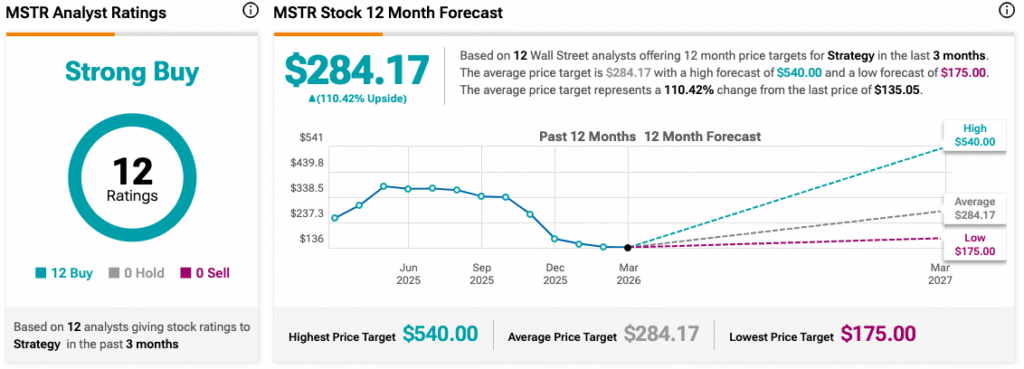
MicroStrategy Goes All in on Bitcoin Again After $68,000 Crash. Here’s How Much They Bought
Tipranks·2026/03/23 17:21
Ripple CEO Speaks: Regulation Is Coming, and XRP Is Right in the Middle of It
TimesTabloid·2026/03/23 17:12
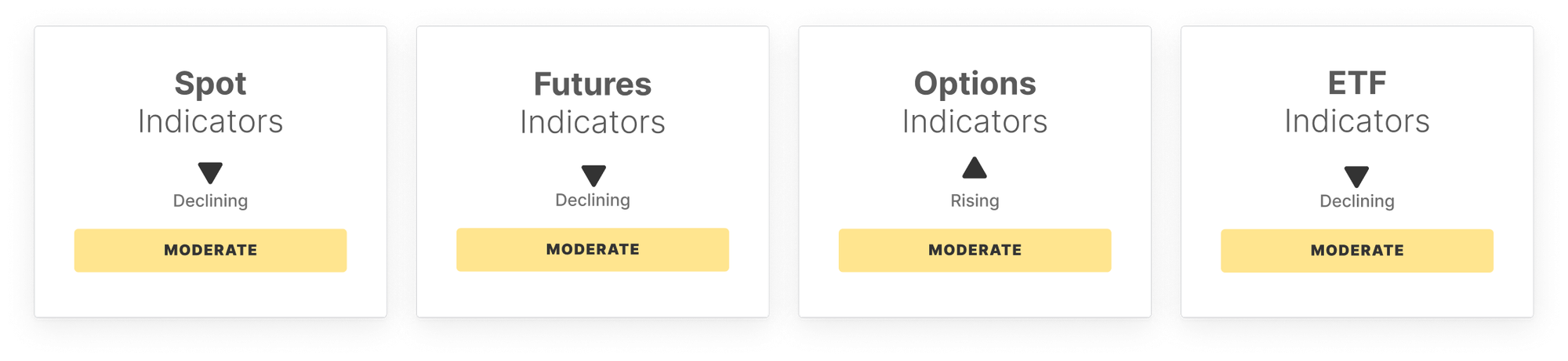
BTC Market Pulse: Week 13
Glassnode·2026/03/23 17:12
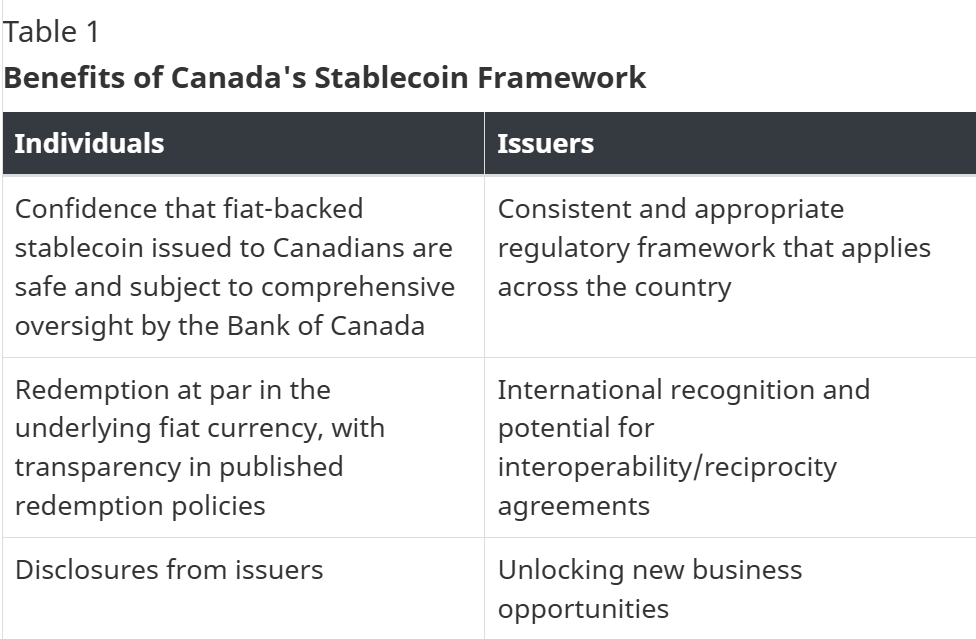
Deloitte, Stablecorp plan stablecoin infrastructure for Canadian institutions
Cointelegraph·2026/03/23 17:01
Flash
05:47
Bitunix Analyst: Market Starts Trading 'Peace Expectation', but True Test Comes from Liquidity and High-Rate EnvironmentBlockBeats News, June 12th. A major turning point in the Middle East situation has occurred. After threatening military action against Iran, President Trump stated that the US-Iran agreement is close to completion and could be signed as early as this weekend. Qatar, the UAE, and Pakistan have simultaneously intervened in mediation, and the market has started to price in the possibility of the reopening of the Strait of Hormuz and a de-escalation of the regional situation. However, the Iranian Ministry of Foreign Affairs and the negotiation team still deny that a final agreement has been reached, and the Iranian military remains on high , indicating that geopolitical risks have not been fully resolved.
From a market perspective, the most significant change at the moment is not the end of the war but rather the beginning of efforts to price in the post-war order. US Treasury Secretary Benson has even mentioned using Iran's frozen assets to compensate Gulf countries for losses, indicating that some discussions on the US side have shifted from conflict escalation to post-conflict reconstruction and regional order arrangement. However, core issues such as the nuclear issue, sanction relief, and Israeli security demands remain unresolved, and the market still faces the risk of agreement renegotiation.
At the same time, another potential change at the upcoming Federal Reserve meeting is also worth noting. The market expects that the new Chair, Kevin Warsh, may gradually downplay forward guidance and the dot plot, returning more pricing power to the market. Against a backdrop of uncertainty in inflation and growth prospects, this implies that the future interest rate path may rely more on market judgment, presenting opportunities for both bond yield and risk asset volatility to rise further.
For the crypto market, the real pressure still comes from the funding side. Data shows that cryptocurrency ETFs have seen net outflows of $405 million in the past week and $5.49 billion in outflows over the past month. Even though geopolitical risks have temporarily eased, institutional funds have not substantially returned, and the market is still in a tug-of-war stage between liquidity repair and a high-interest rate environment.
04:33
「White-Haired Stock God」 Reviews High-Conviction Investments in 2025: ALAB, LITE, AAOI All See Multi-Fold GrowthBlockBeats News, June 12th, the "White Hair Stock God" stated in a post that his high-conviction investment theses proposed in 2025 have performed exceptionally well. Among them, Astera Labs (ALAB) saw its stock price rise from $97 to $372, Lumentum (LITE) from $330 to $904, and Applied Optoelectronics (AAOI) from $30 to $175. Furthermore, targets he was optimistic about previously, such as Nebius (NBIS), Rocket Lab (RKLB), and TSMC (TSM), have shown strong gains.
Companies like AAOI had a market capitalization of only about $3 billion at the time, which has now grown to around $14 billion. Although there was a deviation in his assessment of certain specific ASIC-related pluggable optical modules and a decrease in confidence in ALAB due to the evolution of optical interconnect technology, the overall investment logic has withstood market validation.
Serenity also mentioned that as his views on companies like AXT, Inc. (AXTI) gradually gained market recognition, his influence and attention have increased. He believes that currently, some companies in a similar early-stage market capitalization phase, such as Sivers Semiconductors (SIVE), may deserve more market attention.
03:21
Next week's Fed interest rate meeting may see a "major adjustment" in communication strategy, with the market pricing logic facing a restructuring.BlockBeats News, June 12th – Pacific Investment Management Company pointed out that the upcoming Federal Reserve meeting is not only about interest rate decisions but may also signal a shift in the policy communication framework. The new Chair, Kevin Wash, may reduce forward guidance and weaken the "dot plot," leaving the market to assess the interest rate path on its own.
Richard Clarida, former Vice Chair of the Federal Reserve and current global economic advisor at Pimco, stated that investors are still adapting to Wash's communication style, and his policy views may gradually be reflected in tighter information disclosure. During the testimony phase, Wash clearly stated that he "does not believe in forward guidance," leading the market to expect the Fed to potentially shorten statements, reduce dot plot references, or even decrease communication frequency.
Daniel Ivascyn, Chief Investment Officer at Pimco, believes that communication contraction may increase market volatility but also create opportunities for active investing. He pointed out that at the current interest rate levels, the reference value of tools like the dot plot has significantly diminished, and the market now has a stronger ability to price autonomously.
Ivascyn also emphasized that balance sheet adjustments will have a more substantial impact than changes in communication methods. The Fed's balance sheet is currently around $6.7 trillion, and if balance sheet reduction is coordinated with interest rate path adjustments, it could significantly affect the yield curve structure.
Market participants noted that amid high inflation and growth uncertainty, if the Fed further weakens forward guidance, it may decouple short-term interest rates from long-term yields, increasing the complexity of global asset pricing.
News