
News
Stay up to date on the latest crypto trends with our expert, in-depth coverage.

1Bitget UEX Daily | Trump Claims Iran Requested Delay in Strikes; US Stocks Post Largest Drop Since US-Iran Conflict Began; Apple Opens Siri to External AI (March 27, 2026)2US-Iran Tensions Latest: Diplomatic Deadlock Drives Market Fluctuations as Trump Prolongs Suspension of Attacks on Energy Facilities3Bitcoin gained 655% the last time this supply in profit metric dropped to 50%

Ferrari’s Middle East Delivery Halt Sparks Supply Chain Red Flag for Luxury Autos
101 finance·2026/03/19 11:39


MWH’s $8 Billion Backlog Becomes a High-Stakes Growth Catalyst as 2026 Revenue Targets Loom
101 finance·2026/03/19 11:39
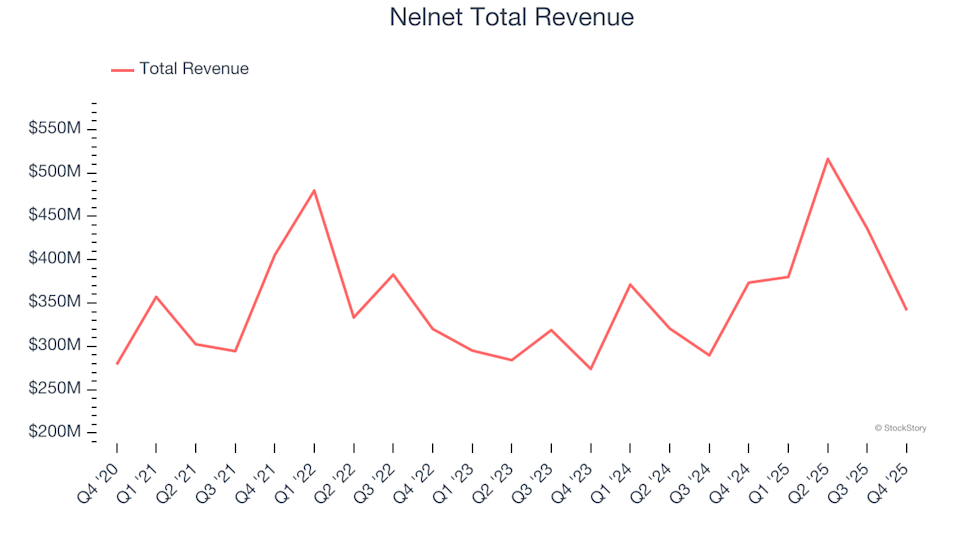
Q4 Financial Results Overview: Nelnet (NYSE:NNI) and Other Companies in the Consumer Finance Sector
101 finance·2026/03/19 11:39


Pundit to XRP Investors: Pay Attention to This Major Development
TimesTabloid·2026/03/19 11:33
Israel and Iran target gas infrastructure in a significant intensification that unsettles markets
101 finance·2026/03/19 11:33
Nasdaq Wins SEC Approval to Trade Tokenized Securities in Pilot Program
Decrypt·2026/03/19 11:31


Caleres’ Guidance Reset Exposes a Mispriced “Build-Back Year” Setup
101 finance·2026/03/19 11:30
Flash
01:13
Total net outflow of spot SOL ETFs in the United States reached $7.8369 million in a single dayAccording to Odaily, based on SoSoValue data, on March 27 (Eastern US time), SOL spot ETFs experienced a total net outflow of 7.8369 million USD in a single day. Yesterday, only the Bitwise Solana Staking ETF (BSOL) saw net outflows, with a single-day net outflow of 7.8369 million USD. The current cumulative historical net inflow has reached 798 million USD. As of the time of publication, the total net asset value of SOL spot ETFs was 810 million USD, with a SOL net asset ratio of 1.71%. The historical cumulative net inflow has reached 986 million USD.
01:09
Stablecoin yield controversy stalls legislative process: US crypto regulation faces new deadlock as industry dissatisfaction risesBlockBeats reports that on March 28, divisions within the US crypto industry regarding stablecoin yields continue to intensify, becoming the main bottleneck obstructing overall legislative progress. Multiple sources indicate that while Congress has recently circulated draft texts of relevant provisions, negotiations have yet to achieve substantial breakthroughs. Jason Somensatto, Policy Director at Coin Center, stated that the issue of stablecoin yields is now the "primary obstacle" in advancing market structure legislation for crypto. If this issue is resolved, the remaining terms could likely be rapidly agreed upon. The core of the controversy centers on whether stablecoins should be allowed to offer yields to holders. The previously passed GENIUS Act prohibits issuers from directly paying interest to users, but does not restrict third-party platforms from providing rewards. The banking sector worries this move will divert deposits, while the crypto industry argues that limiting yields will stifle innovation. During this process of negotiation, an exchange faced criticism for raising objections to certain provisions, being accused of "slowing the bill's progress." Its CEO Brian Armstrong had previously opposed designs that might "kill stablecoin yields," and also expressed concerns about regulatory jurisdiction and DeFi provisions. The White House has convened multiple consultations with the banking and crypto industries but consensus has yet to be reached. Industry insiders note that after many rounds of negotiations without result, further delays could mean the bill might not even reach a Senate committee vote, carrying a risk of "failure." Nevertheless, the market maintains certain expectations for progress. According to one exchange, the industry is preparing to jointly propose alternative solutions, aiming to resolve disputes over yield provisions in the coming weeks.
01:03
Abstract achieves native support for MPP, providing payment infrastructure for AI agentsForesight News reported that Abstract announced on Twitter that it has achieved native support for MPP (Merchant Payment Protocol). With this update, AI agents can directly use MPP to pay service fees via HTTP, enabling seamless native on-chain transactions. Abstract aims to provide AI agent infrastructure powered by the Stripe merchant network. Developers can use the @abstract-foundation/mpp toolkit, which allows AI agents, builders, and users to choose between fiat currencies, cryptocurrencies, or streaming micropayments.
News