
News
Stay up to date on the latest crypto trends with our expert, in-depth coverage.

1Bitget UEX Daily | Iran Denies Direct Talks; Oil Price Back Above $100; Nasdaq 100 Rule Change May Open Door for SpaceX (March 31, 2026)2Bitcoin data points to ‘rare’ trading setup for relief rally to $71K3Iran's Potential Blockade of the Strait of Hormuz: Approaching April 6 and Growing Market Anxiety

Intel's Gaudi 3 Steps Into Rapid Growth—Investors Anticipate AI Infrastructure Boom
101 finance·2026/03/19 19:24

ECB's Digital Euro: A Flow Analyst's Chronology Through 2029
101 finance·2026/03/19 19:24

Novo Nordisk's High-Dose Wegovy: A Flow-Based Analysis of Market Share Recovery
101 finance·2026/03/19 19:24

Exclusive-German semiconductor group Elmos exploring a sale, sources say
101 finance·2026/03/19 19:22
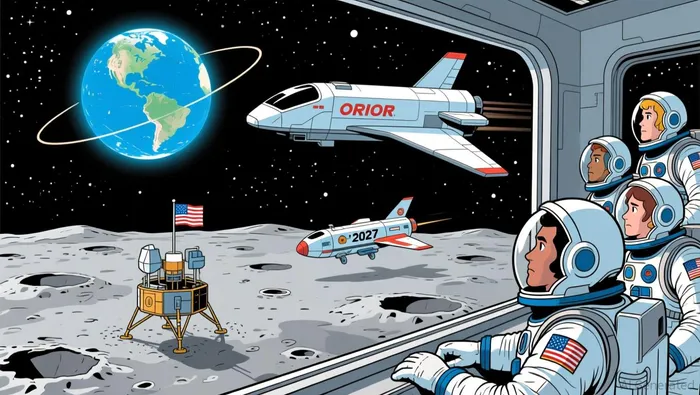
NASA’s Artemis Revamp Prioritizes Private Space Leaders, Increases Pressure on Boeing
101 finance·2026/03/19 19:21

Chaince Digital's Gigafactory Bet: High-Risk Sector Rotation Play Amid Funding Gaps
101 finance·2026/03/19 19:21
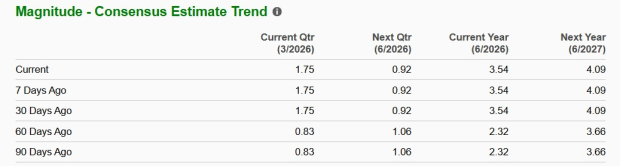
Are Gold.com's Targeted Purchases Driving Sustained Expansion?
101 finance·2026/03/19 19:19

Methanex Jumps 9.4% in a Single Session: Could This Signal a Significant Shift?
101 finance·2026/03/19 19:19

LGVN Bounces 13% Without Clear Catalyst
101 finance·2026/03/19 19:19

Phillips 66 Jumps More Than 3% as Regional Energy Markets Face Upheaval: What’s Behind the Rally?
101 finance·2026/03/19 19:15
Flash
09:37
Turkey resumes foreign exchange swaps to stabilize the exchange rate and liquidityGolden Ten Data, March 31 – Following widespread sell-offs in emerging markets triggered by the Middle East war and a consequent decline in foreign exchange reserves, Turkey has resumed foreign exchange swap transactions with local banks for the first time in over a year. On Tuesday, the Central Bank of Turkey conducted three USD/TRY swap auctions totaling 10 billion USD, with maturities ranging from one week to one month. Previously, Turkey’s monetary authorities withdrew about 2 trillion lira (45 billion USD) in liquidity from the interbank market in March, aiming to maintain a tight monetary policy stance. On February 28, the United States and Israel went to war with Iran, prompting capital outflows from risk assets and causing almost all emerging market currencies to depreciate. In contrast, the lira showed relative resilience, falling only 1.2% since the outbreak of the war. However, tight lira liquidity has sparked dissatisfaction among banks, with some executives calling for the resumption of foreign exchange swap transactions to alleviate pressure.
09:37
No changes in sanction policy but oil tankers are allowed; supply disruption and policy flexibility intensify the tug-of-war⑴ Tuesday's reports indicate that while the United States has not made any formal adjustments to its sanctions policy against Cuba, it has allowed, on a “case-by-case” basis, a Russian oil tanker to deliver approximately 730,000 barrels of crude oil to Cuba. This temporarily ends the months-long supply constraint and demonstrates a degree of flexibility in the execution of the policy. ⑵ Previously, the United States restricted Venezuela's oil exports to Cuba and used tariff threats to suppress third-party supplies, resulting in Cuba receiving no oil imports for several consecutive months. This led to fuel rationing and widespread blackouts, with supply-side contraction imposing substantial constraints on economic activity. ⑶ Although the arrival of this tanker brings temporary relief, crude oil still needs to be refined and distributed to end users, so the actual alleviation effect will be significantly delayed. Furthermore, the limited volume of a single shipment is unlikely to change the overall tight supply situation. ⑷ There has been a marginal shift in policy signals: while the United States continues to uphold the sanctions framework, it maintains a certain tolerance for energy flows intended for humanitarian or specific uses. At the same time, it is exploring ways to bypass state-owned systems and deliver fuel directly to the private sector, resulting in a strategy of “simultaneous suppression and relaxation.” ⑸ At the market level, such uncertainty has increased expectations of volatility in regional energy flows. If similar waivers become more frequent going forward, they could disrupt energy trade structures in the Caribbean and surrounding areas. Conversely, if restrictions are tightened again, the supply gap may widen once more, with prices and shipping routes subject to recurring adjustments based on marginal policy changes.
09:37
Data: Meme coin Freedom of Money market cap remains above 10 million dollars, up 15% in 24 hoursAccording to ChainCatcher, GMGN monitoring shows that the Meme coin Freedom of Money on the BSC chain saw a slight rebound in market cap this morning, with a peak reaching above 11 million US dollars. It is currently reported at 10.8 million US dollars, with a 24-hour increase of 15%. Its market cap has recently remained stable around the 10 million US dollar mark. Meme coin trading is highly volatile, mostly dependent on market sentiment and hype, and lacks actual value or use cases. Investors should be aware of the risks.
News