
News
Stay up to date on the latest crypto trends with our expert, in-depth coverage.

1Bitget UEX Daily | Iran Denies Direct Talks; Oil Price Back Above $100; Nasdaq 100 Rule Change May Open Door for SpaceX (March 31, 2026)2Bitcoin data points to ‘rare’ trading setup for relief rally to $71K3Iran's Potential Blockade of the Strait of Hormuz: Approaching April 6 and Growing Market Anxiety
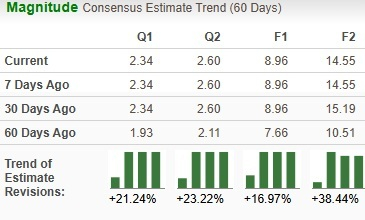
Western Digital's progress with hyperscalers enhances clarity in revenue projections
101 finance·2026/03/20 15:01
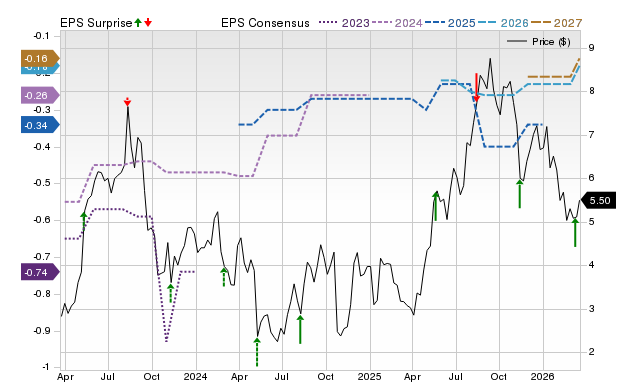
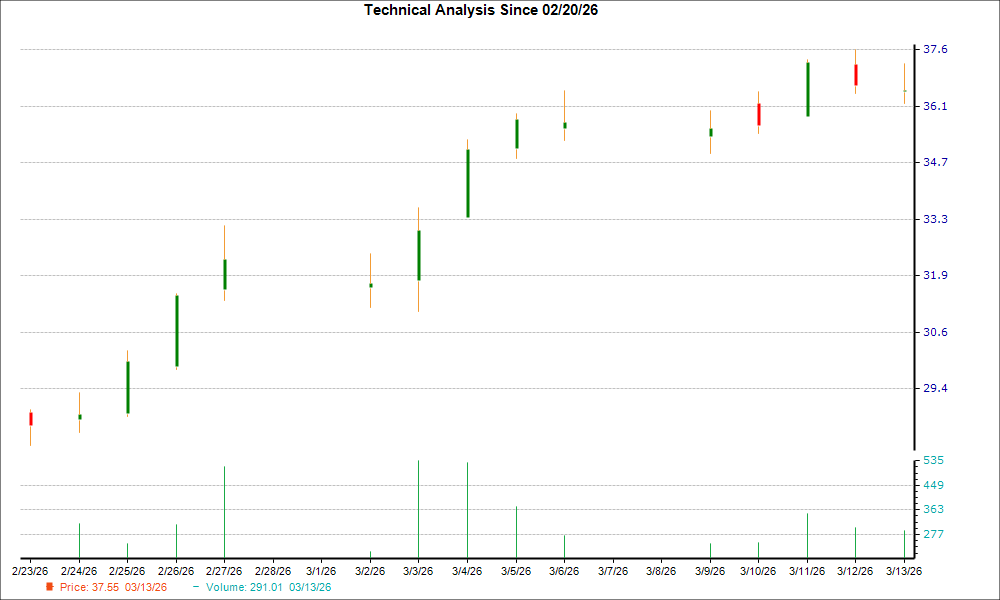
Versant (VSNT) May Soon Establish Support—Reasons to Consider Purchasing the Stock Now
101 finance·2026/03/20 15:00
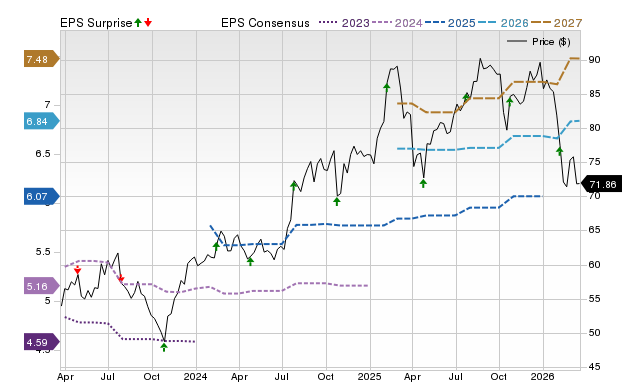
Could SS&C Technologies (SSNC) Surge by 39.34% According to Wall Street Analysts’ Predictions?
101 finance·2026/03/20 15:00
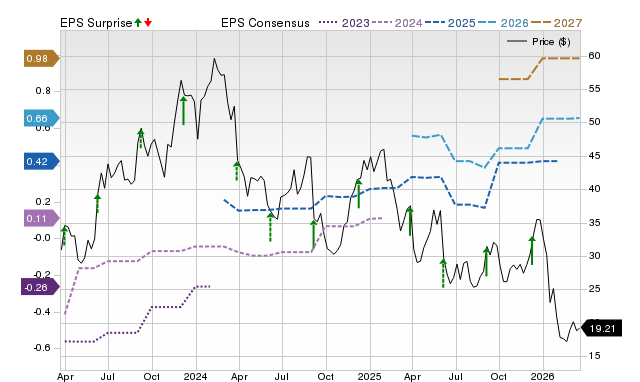
Wall Street experts predict Braze (BRZE) could climb 126.44%—is such a surge truly possible for this stock?
101 finance·2026/03/20 15:00
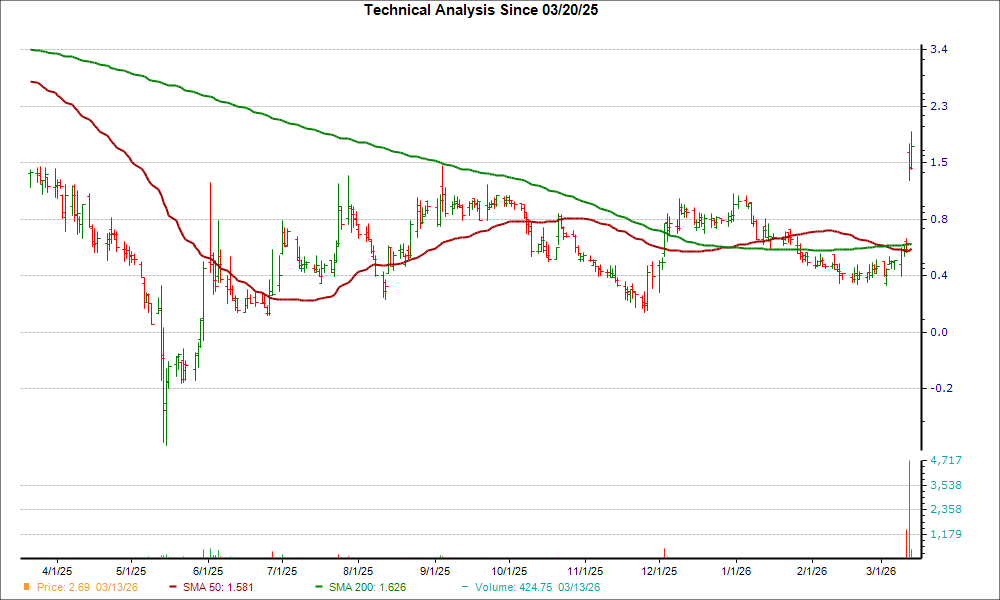
Should You Consider Purchasing Tilly's (TLYS) Following a Golden Cross?
101 finance·2026/03/20 15:00
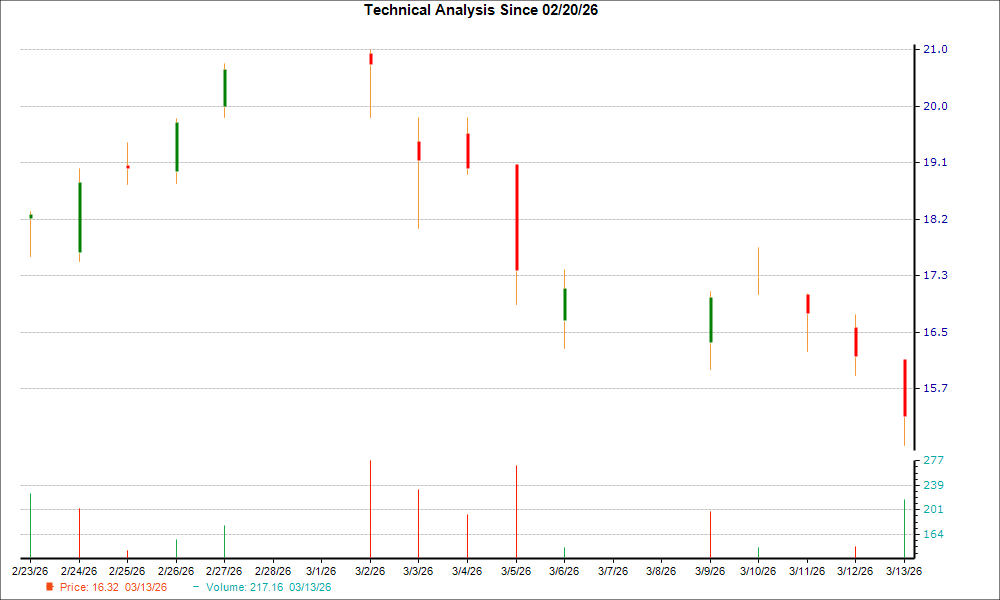
Here’s Why Orla Mining (ORLA) Is an Excellent Choice for ‘Buying the Dip’ Right Now
101 finance·2026/03/20 15:00


NATO Faces Energy Shortages, Revealing Alliance Weakness—Strait of Hormuz Threatened, Markets Remain Unstable
101 finance·2026/03/20 14:57

Zacks Industry Outlook Features Wabtec, AerCap, and Air Lease
101 finance·2026/03/20 14:57
Flash
22:49
According to the latest disclosed plan, Microsoft's power plant project under construction in Texas is expected to achieve a generation capacity of 2,500 megawatts upon initial operation.This scale is equivalent to providing clean electricity to around 2 million households, marking a major move by the tech giant in the renewable energy sector. The project will utilize advanced gas turbines in tandem with energy storage systems, not only meeting the ever-growing power demands of Microsoft’s own data centers but also supplying backup power to surrounding communities via the grid adjustment. Notably, the initial generation capacity of 2,500 megawatts already surpasses the scale of many traditional power plants, highlighting the ambition of tech companies to expand into energy infrastructure. According to documents from the Texas Power Reliability Council, the power plant will be constructed in phases, with its final installed capacity likely to increase further. The location is close to Microsoft’s data center cluster in San Antonio, which helps reduce transmission losses and improve energy efficiency. Industry experts note that this “generation-consumption” integrated model could reshape the future paradigm of energy supply for digital infrastructure.
22:19
Microsoft in talks with Chevron and Engine No. 1 seeking power supply agreementsThe planned natural gas power plant is expected to cost around $7 billion, with an initial power generation capacity of 2,500 megawatts (MW), making it one of the largest facilities of its kind in the United States. The agreement reached with Microsoft will secure a long-term power client for the plant and support its construction financing. The project still requires tax and environmental permits, as well as agreement on commercial terms.
22:18
Nike’s Chief Financial Officer recently revealed that the company’s gross margin for the fourth fiscal quarter is expected to face downward pressure of 25 to 75 basis points.It is worth noting that the increase in tariffs in North America alone will impact gross margin by as much as 250 basis points. This pressure on gross margin mainly stems from multiple intertwined factors: on one hand, global supply chains continue to face challenges; on the other hand, increased promotional activities are also squeezing profit margins. Although the tariff impact is significant, the company has partially offset the negative effects through strategies such as optimizing inventory management and adjusting product pricing.Analysts point out that this gross margin guidance reflects the common challenges faced by multinational enterprises in the current trade environment. As geopolitical factors increasingly affect business operations, balancing global supply chain layouts with cost control will become a key issue for sports brands.
News