
News
Stay up to date on the latest crypto trends with our expert, in-depth coverage.

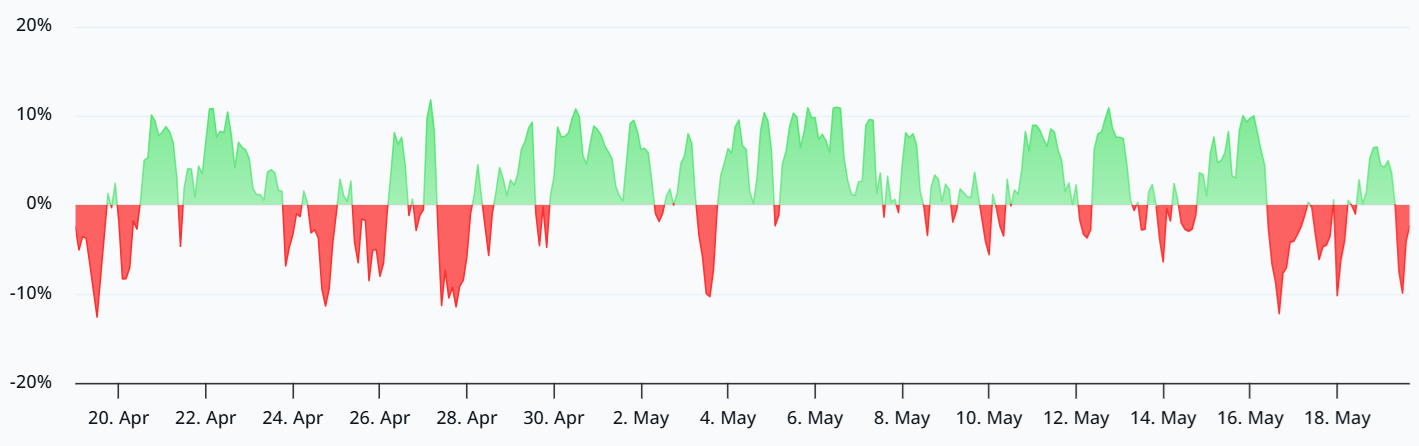
Solana futures funding rate turns negative: Is $78 SOL next?
Cointelegraph·2026/05/25 02:54
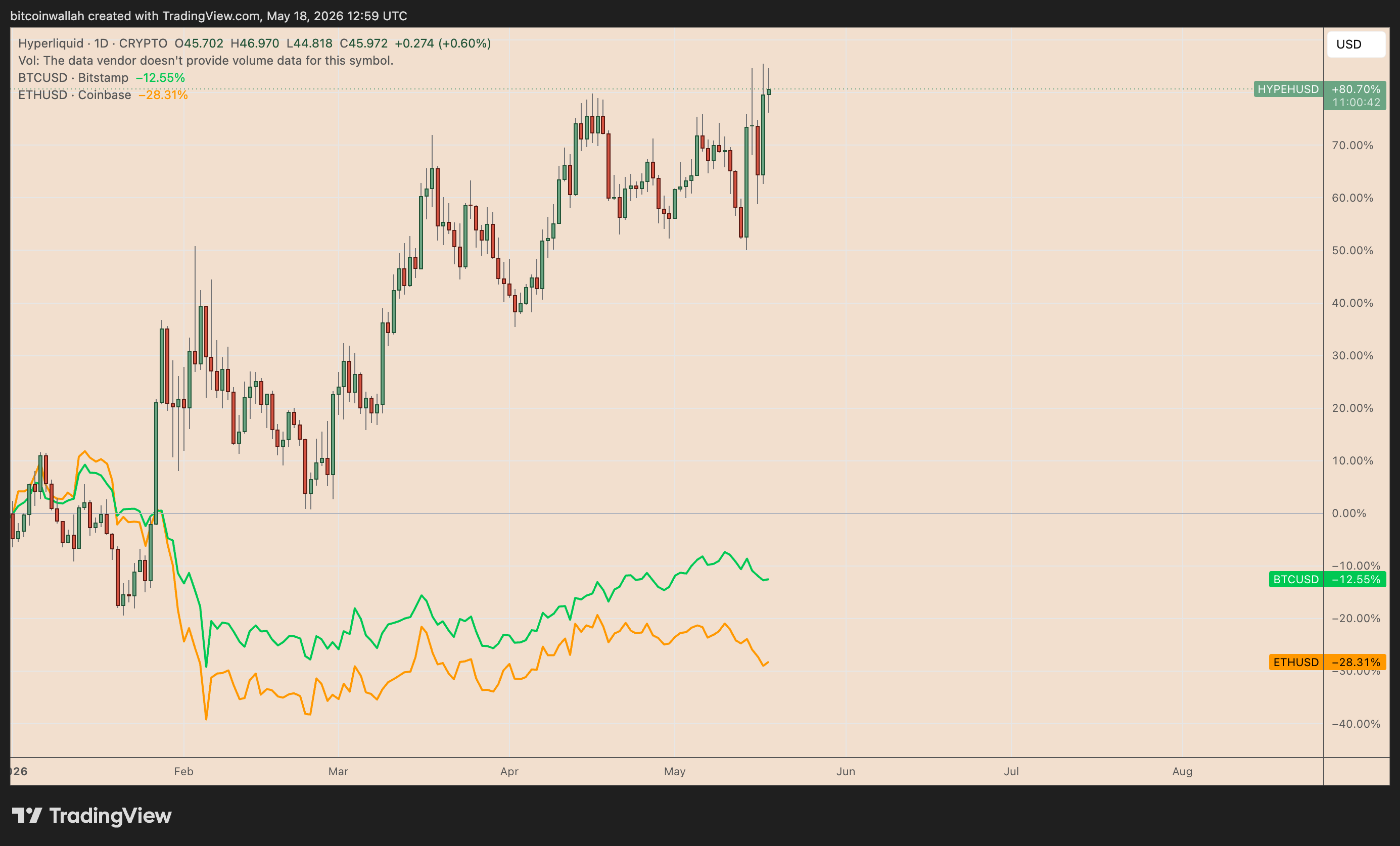
Hyperliquid eyes 55% price rise after Silicon Valley investor's 'massive HYPE buy'
Cointelegraph·2026/05/25 02:54
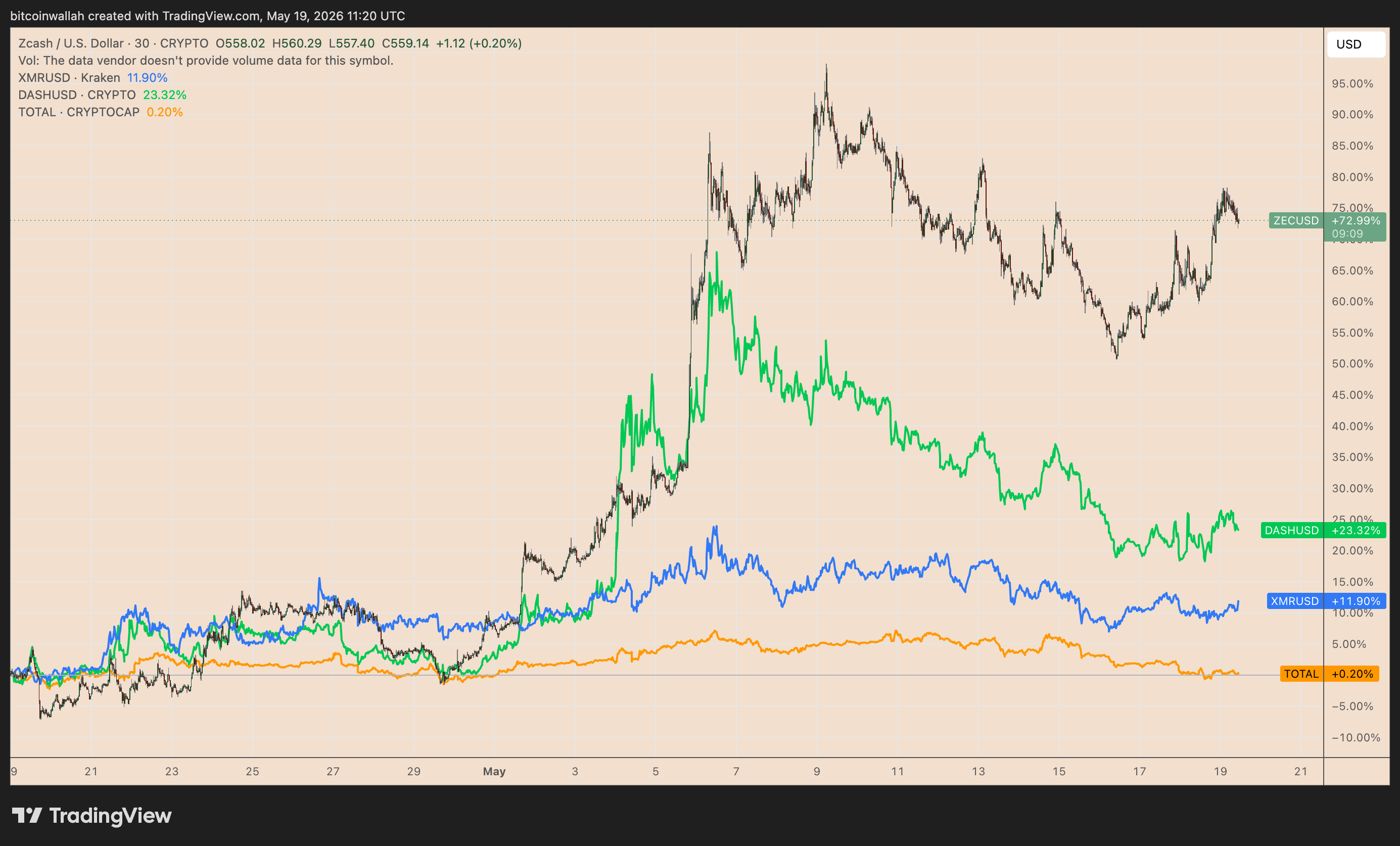
Zcash is 'running its own bull market' as ZEC price paints 88% rally setup
Cointelegraph·2026/05/25 02:54
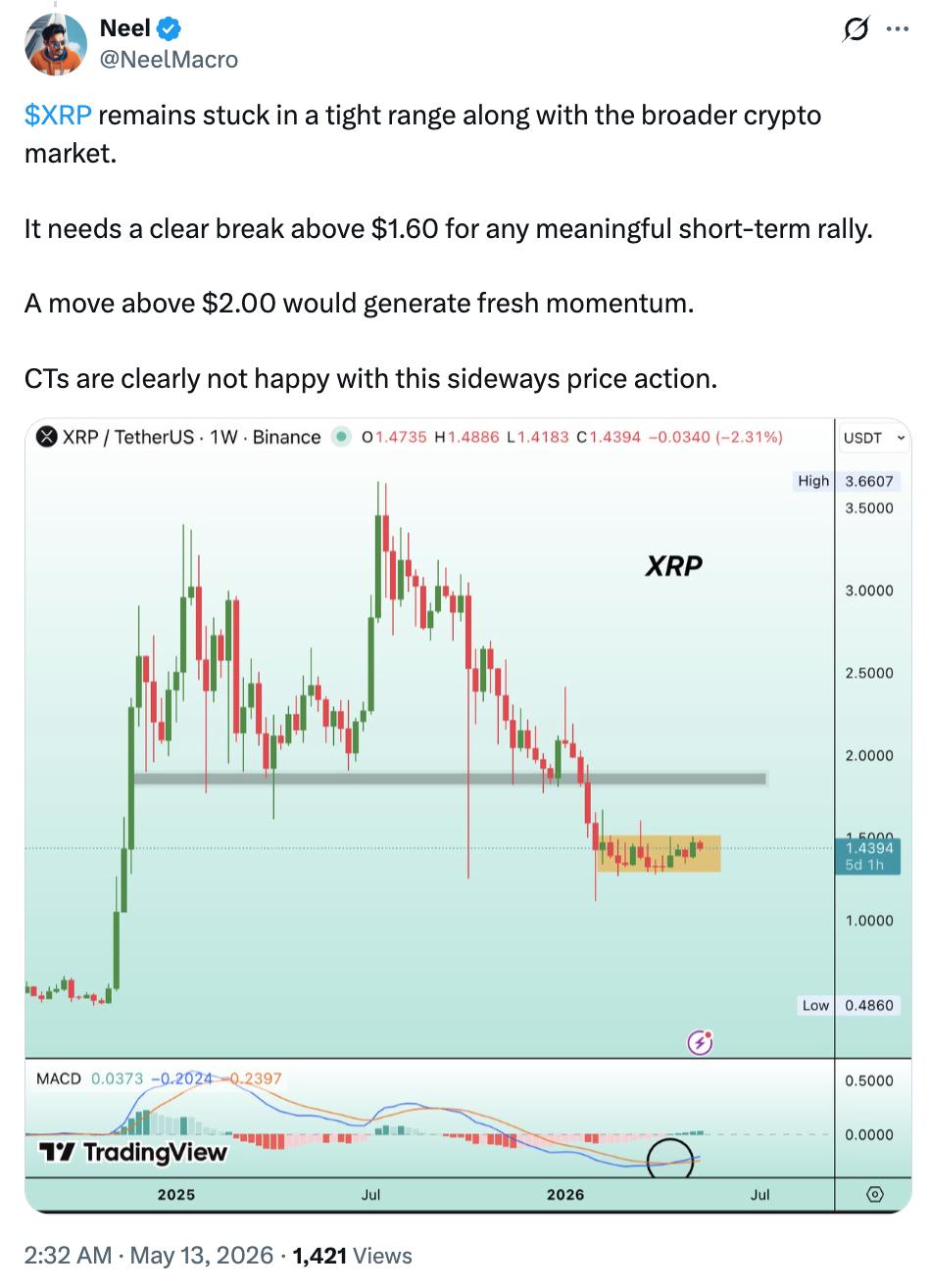
XRP whale wallets hit all-time highs: Will it push price above $1.50?
Cointelegraph·2026/05/25 02:54
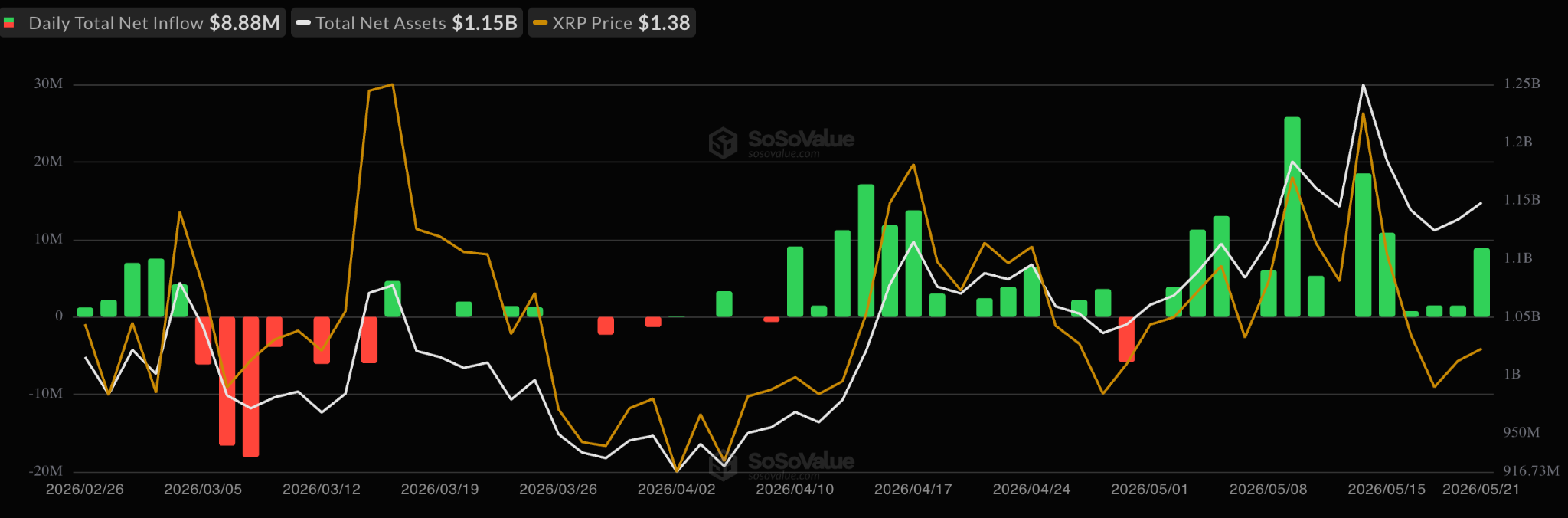
XRP adds 4,300 new wallets in 24 hours, but why is price stuck?
Cointelegraph·2026/05/25 02:54
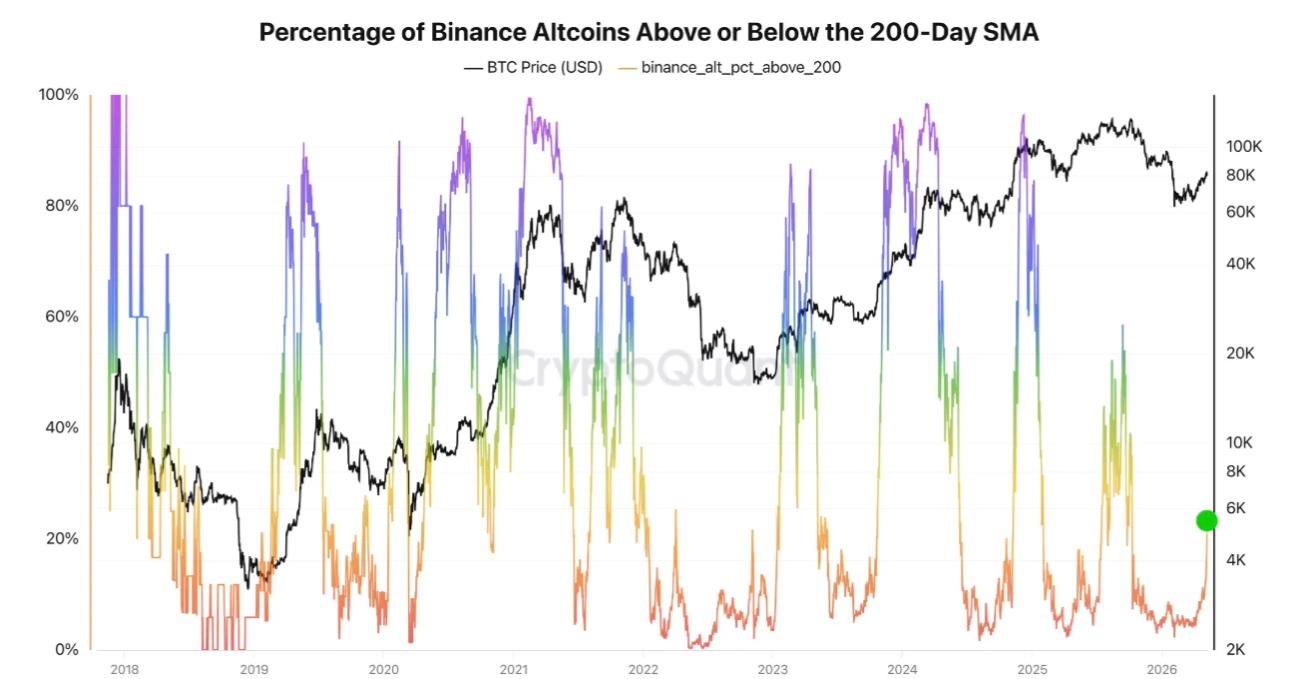
Altcoin season ‘quietly’ starting? Analysts spot three bullish indicators
Cointelegraph·2026/05/25 02:51
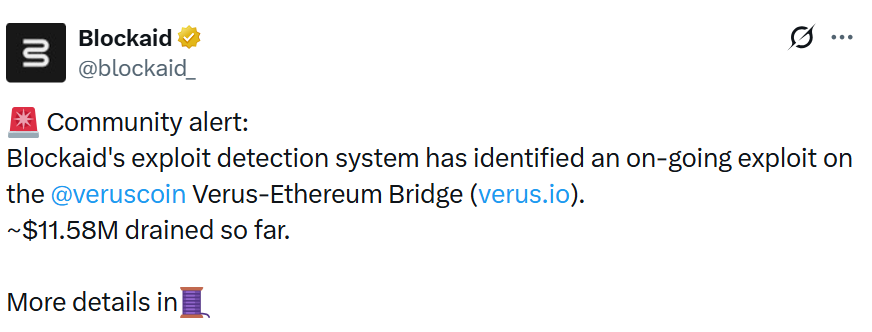
Verus Ethereum bridge reportedly exploited for $11.6M in latest DeFi attack
Cointelegraph·2026/05/25 02:48

Ethereum Foundation sees 2 more high-profile departures
Cointelegraph·2026/05/25 02:48
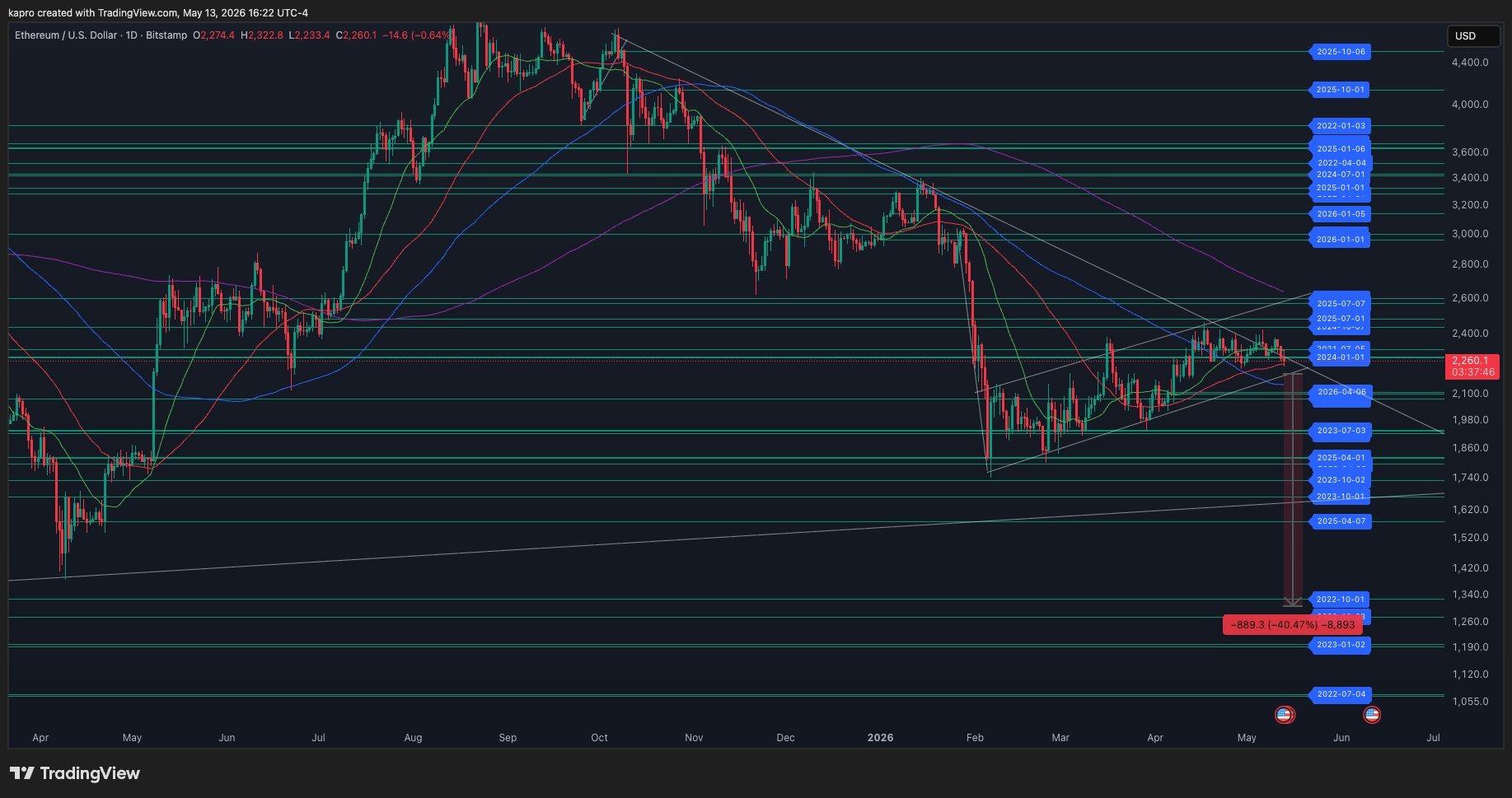
Ethereum traders warn of ‘nasty’ ETH price drop if $2K support breaks
Cointelegraph·2026/05/25 02:48
Syndicate Labs winds down after 5 years, citing shrinking rollup market
Cointelegraph·2026/05/25 02:48
Flash
09:10
Analysis: Over the past 30 days, over 100,000 BTC have flowed into the trading platforms while stablecoin outflows have accelerated, intensifying selling pressure in the marketBlockBeats News, May 28th - Cryptocurrency analyst Axel Adler Jr. stated that the simultaneous movement of BTC into exchanges and stablecoins out of exchanges has triggered a "risk-off" signal, indicating strengthening selling pressure in the market. Data shows that BTC's 30-day net inflow into exchanges has shifted from an extreme net outflow of 300,000 BTC at the end of March to an inflow of 103,000 BTC on May 26th, suggesting that more BTC is now flowing back into exchanges in preparation for selling. During the same period, BTC's price dropped from $80,000 to $73,700.
Meanwhile, stablecoins are flowing out of centralized exchanges at a record pace. The 30-day net flow of stablecoins has transitioned from a daily inflow of $164 million at the end of April to a daily outflow of $153 million on May 27th. This indicates a reduction in market liquidity available for buying BTC.
Axel Adler Jr. pointed out that when BTC flows into exchanges and stablecoins flow out simultaneously, it creates an unfavorable "supply increase, demand decrease" structure, typical of a risk-off market. He believes that if BTC's net inflow continues to exceed +100,000 BTC, the market may face a deeper correction. Stable signals would include BTC reverting to a net outflow or stablecoins flowing back into exchanges.
08:44
Announcement: US April Core PCE to Be Released Tonight at 8:30 PM, Expected at 3.3%BlockBeats News, May 28th: The US April PCE data will be released at 8:30 pm UTC+8 tonight. The market generally expects the year-on-year increase in April PCE to rise to 3.8%, higher than the previous value of 3.5%, potentially reaching a nearly three-year high. The core PCE year-on-year rate is also expected to increase slightly to 3.3%. With the energy price shock yet to dissipate and service industry inflation still sticky, if the data confirms the accelerated spread of inflation, the Fed's return to a hawkish stance will receive strong support.
Currently, the CME Group's "FedWatch" tool shows that although the market believes rates will remain unchanged in June, the probability of a rate hike before the end of the year is significantly increasing. Looking ahead, Goldman Sachs believes that it will take time for inflation to cool down, expecting the core PCE to remain around 3% in 2026, while overall inflation for this year will stay below 4%.
08:23
Qin Heping from Guotai Haitong: US-Iran tensions are just noise, the main focus is still the Federal ReserveQin Heping further pointed out that compared to geopolitics, the market should pay more attention to the Federal Reserve. The actions of the Federal Reserve have a much greater impact on the market than the US-Iran conflict. Walsh's core idea is to tackle inflation through balance sheet reduction and interest rate cuts, using balance sheet reduction to anchor inflation and create space for rate cuts. The Republican Party advocates for small government and a free economic system. Walsh has consistently opposed large-scale bond purchases by the Federal Reserve that distort market pricing, and hopes to recover base currency through balance sheet reduction, allowing interest rates to return to market-based pricing. Going forward, Walsh may adjust the previous practice of frequently intervening in market expectations, which will differ from the era under Powell. Overall, Qin Heping's assessment is that the Federal Reserve is highly likely to continue compressing inflation and guiding interest rates downward, enabling the US economy to sustain its prosperity. Fluctuations caused by policy and data are inevitable, but the medium- and long-term trend of the US tech stock sector remains bullish. As for the specifics of how and when global funds will shift, no one can pinpoint this accurately.