
News
Stay up to date on the latest crypto trends with our expert, in-depth coverage.


Rayls (RLS) Fluctuates 49.6% in 24 Hours: Trading Volume Surge Drives Price Volatility
Bitget Pulse·2026/04/14 17:12
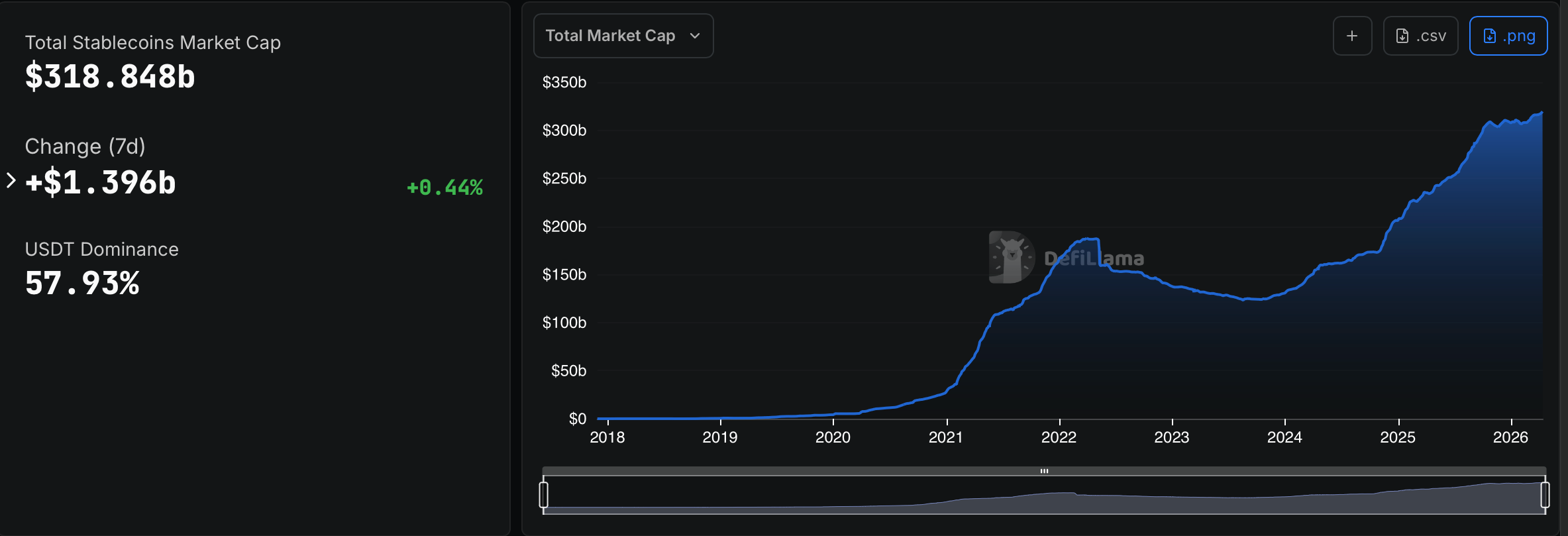
Visa deepens blockchain push with Tempo validator node launch
Cointelegraph·2026/04/14 17:09
USD/CAD trims its decline as Oil drops under $90 amid positive sentiment over US-Iran negotiations
101 finance·2026/04/14 16:54
IRYS (IRYS) 24-hour amplitude 41.1%: High trading volume and leverage signals drive sharp fluctuations
Bitget Pulse·2026/04/14 16:49
Immunefi (IMU) fluctuates 44.5% in 24 hours: Low liquidity amplifies trading volume changes
Bitget Pulse·2026/04/14 16:47
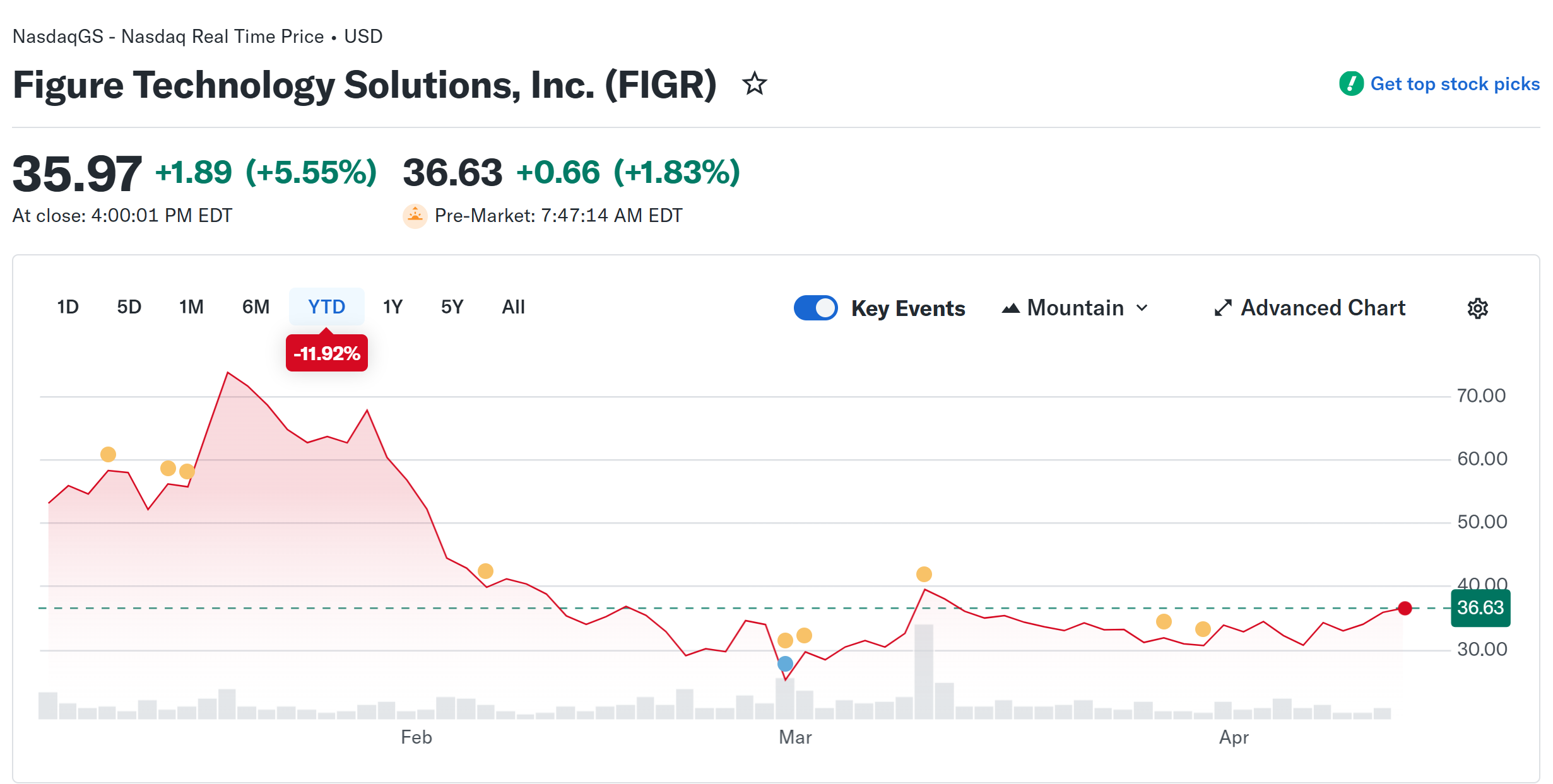
Figure and Hastra widen DeFi credit offering with auto loan launch
Cointelegraph·2026/04/14 16:33
RAVE (RaveDAO) 24-Hour Volatility at 157.1%: Over $43 Million in Short Squeeze Liquidations Dominated
Bitget Pulse·2026/04/14 16:02
SWCH (SwissCheese) fluctuates 64.9% within 24 hours: Severe volatility driven by low liquidity speculation
Bitget Pulse·2026/04/14 16:02
Flash
23:24
Global Oil Inventories in Dire Straits, Next Price Surge Could Rattle Economy and MarketsBlockBeats News, June 7th, as the agreement for oil tanker passage through the Strait of Hormuz remains elusive, global oil inventories are plummeting to dangerously low levels. Industry executives and analysts warn that we may see another oil price shock in the coming weeks, with the severity significant enough to spill over into broader financial markets.
JPMorgan Chase predicts that unless the strait passage returns to normal, oil prices could spike rapidly in late June. U.S. crude inventories have fallen for eight consecutive weeks, reaching the lowest level since February 2024. Analysts point out that the risk of a second round of price shock is very real and could stem from the depletion of buffer mechanisms rather than the strait's closure itself.
Investors believe that the Strait of Hormuz has become a persistent geopolitical bottleneck, and even if tensions ease, oil prices are unlikely to drop below $70. Higher oil prices pose a "mild headwind" to the U.S. economy, but Europe and Asia are more vulnerable to sustained energy inflation. If crude oil rises to $120 per barrel and remains at that level for a year, U.S. economic growth could slow by around 0.4 percentage points.
14:56
After nearly four years in prison, Do Kwon, still has community members holding the line on Terra Luna Classic and looking forward to an "epic revival."BlockBeats News, June 6th. Despite Terraform Labs founder Do Kwon being sentenced to 15 years in prison for causing the $40 billion Terra crash, the abandoned original chain Terra Luna Classic (LUNC) has not disappeared. A group of community members are still actively maintaining the network and are hopeful to achieve one of the greatest revivals in the history of the cryptocurrency industry.
Reports indicate that a community core member, known as "Vegas," lost about $50,000 during the Terra crash. Since then, Vegas has been actively participating in validator node operation, proposal governance, and developer coordination. He stated that despite long-term internal power struggles and fraud accusations, and even being maliciously reported to the authorities, he still believes LUNC has the potential to return to the top ten of the cryptocurrency industry.
After the Terra crash in 2022, Terraform Labs launched a new chain, Terra, through a hard fork, while the original chain was preserved and renamed as Terra Luna Classic. Subsequently, the community organization Terra Rebels took over the maintenance work and introduced a series of proposals, including a 1.2% burn tax, in hopes of revitalizing the ecosystem. However, due to fund allocation and governance disputes, Terra Rebels eventually disbanded, and multiple developers left one after another.
Nevertheless, the community continues to advance projects such as lending protocols, games, and meme coins, and attempts to restore the stablecoin peg mechanism. Data shows that LUNC has risen by 17.3% in the past year, but has dropped by 28.7% since 2022, with a total decline of 99.99% from its all-time high of $119.
Some community members expressed that the shared trauma of the crash has formed a "family"-like bond among them, and price is no longer the sole focus. "What if we could achieve one of the greatest comebacks in crypto history? This is like a last-ditch Hail Mary pass," one community member said.
13:14
US Stock Market Volatility Index Soars, Semiconductor Stocks Experience Rapid Two-Month Surge HaltedBlockBeats News, June 6th. As the semiconductor sector experienced a sharp pullback, the Cboe Volatility Index (VIX), known as Wall Street's "fear gauge," surged nearly 40% in a single day, marking the largest gain since March this year. The VanEck Semiconductor ETF (SMH) fell by nearly 10% intraday, ending a strong rally of about 80% over the previous two months.
Data shows that the S&P 500 index options saw a record 7.8 million contracts traded on Friday, a 16% increase from the previous high in April. Meanwhile, the 10-year Treasury yield rose after strong nonfarm payroll data, leading to a significant increase in demand for put options on long-term Treasury ETFs (TLT) as well as investment-grade and high-yield bond ETFs.
Brent Kochuba, the founder of the options analysis platform SpotGamma, stated that the recent abnormally high premium of single-stock options compared to index options is readjusting, indicating a need for the overheated chip stocks to cool down. Danny Kirsch, the head of options at Piper Sandler, pointed out that a substantial amount of leveraged ETF funds are concentrated in the semiconductor sector. Coupled with funding for tech giants like Meta and Alphabet and concentrated large IPO issuance, the market correction pressure has been further intensified.
Impacted by the decline in risk appetite, Bitcoin briefly dropped below $60,000 before stabilizing, while Strategy's stock fell by nearly 7% on the day, with the trading volume of put options exceeding that of call options by two-fold. The Nasdaq index recorded its worst single-day performance since April 2025.
News